How a Heatwave is Transforming Rituals at Ujjain's Sandipani Ashram
Synopsis
In Ujjain, the Sandipani Ashram adapts its worship rituals for Lord Krishna in response to extreme heat. With temperatures soaring above 41°C, the ashram embraces a seasonal seva tradition to ensure comfort during the scorching summer months.
Key Takeaways
The Sandipani Ashram has adapted its rituals due to a severe heatwave.
Daily practices now include cool bathing and lighter food offerings for Lord Krishna.
These adaptations reflect a deep-rooted tradition of caring for the deity.
The community continues to engage with these seasonal rituals despite harsh weather.
Temperature in Ujjain has surpassed 41°C, impacting daily life.
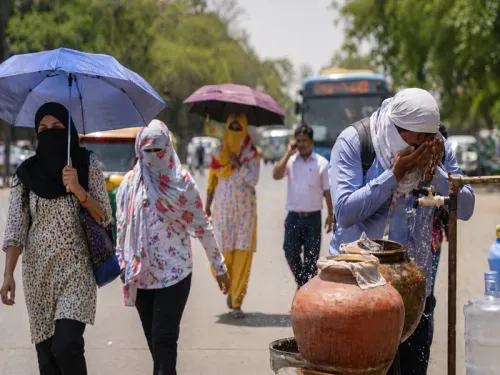
Ujjain, April 20 (NationPress) The worship rituals at the renowned Sandipani Ashram in Ujjain have undergone significant modifications due to a brutal heatwave that has enveloped Madhya Pradesh, with temperatures exceeding 41°C in Ujjain and fluctuating between 40°C and 43°C across various districts.
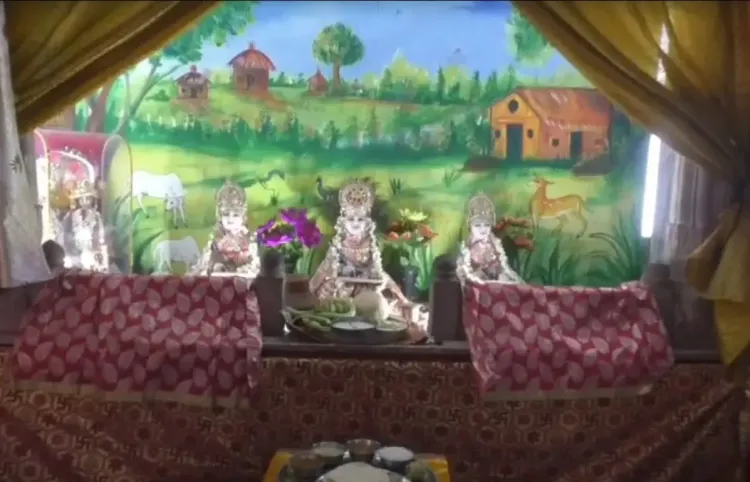
The soaring temperatures and oppressive summer conditions have prompted temple priests to adopt what they term a “seasonal seva tradition,” wherein rituals dedicated to Lord Krishna, honored here in his Bal Swaroop (child form), are tailored for comfort amidst extreme weather.
At the heart of these adaptations lies the daily seva of Lord Krishna, where traditional practices have been modified to meet seasonal demands. Chief priest Kirti Roopam Vyas stated that these changes reflect a venerable belief system that treats the deity as a living child.
“Here, Lord Krishna is served in his child form. Just like a child needs special care during harsh weather, we adapt his seva to align with the season. This is a time-honored tradition at Sandipani Ashram,” Vyas mentioned on Monday.
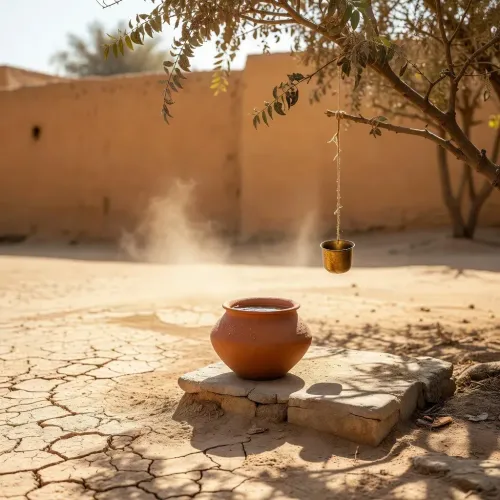
As part of the new arrangements, the deity is being bathed with cool water multiple times each day to offer relief from the sweltering heat. Fans have been placed near the sanctum to ensure a cooler atmosphere, and a clay pot filled with chilled water has been positioned before the deity as part of traditional cooling methods.
These modifications are also seen in the offerings. Heavier, richer dishes have been substituted with lighter, cooling meals. The bhog now features seasonal fruits, buttermilk, curd, sweetened yogurt, and shrikhand, all considered refreshing foods during the peak summer heat.
The attire of Lord Krishna has also been adjusted to suit the climatic conditions. The deity is now dressed in lightweight cotton clothes with minimal embroidery to promote better air circulation and comfort in the sweltering heat.
Vyas emphasized that these adjustments are neither new nor temporary; they are part of a long-standing devotional practice at the ashram.
“Seasonal adaptations in seva are a familiar practice for us,” she added. “It exemplifies our devotion, demonstrating care and affection through ritual modifications.”
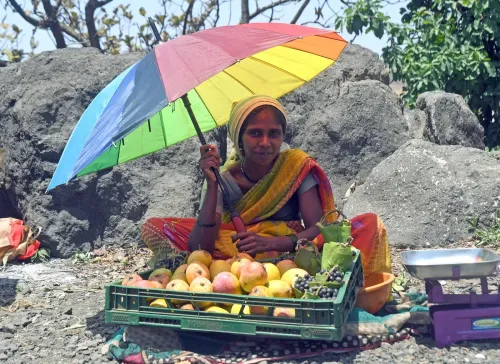
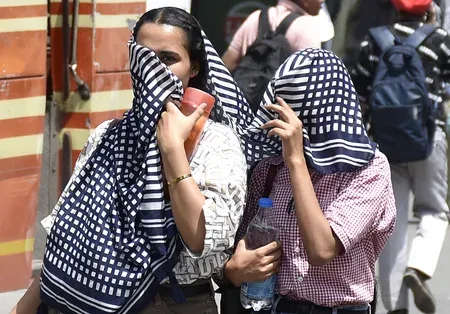
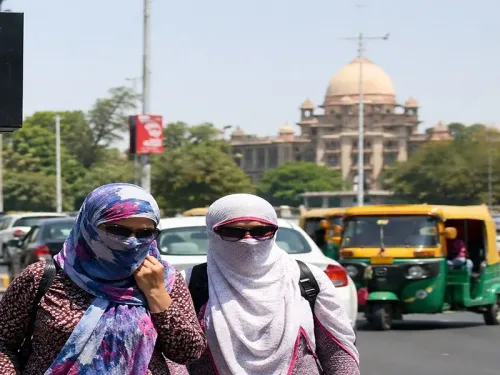
Throughout Madhya Pradesh, the heatwave has exacerbated daily life, with numerous districts reporting temperatures beyond 40°C, making daytime activities challenging for residents.
Despite the oppressive conditions, the distinctive seasonal rituals at Sandipani Ashram continue to draw devotees and visitors, illustrating how deeply-rooted devotional customs in Ujjain are intertwined with nature and the shifting climate.
Point of View
It is evident that the Sandipani Ashram's adjustments to worship practices in response to extreme weather reflect the adaptability and resilience of cultural traditions. These modifications not only enhance comfort for the deity but also showcase a deep-rooted respect for nature and the seasonal cycles that impact daily life in Madhya Pradesh.
NationPress
19 Sept 2026
Frequently Asked Questions
What changes are being made to the rituals at Sandipani Ashram?
The rituals have been modified to include cooler bathing for Lord Krishna, lighter food offerings, and adjustments to his attire to ensure comfort during the extreme heat.
Why are these changes significant?
These changes reflect a long-standing tradition of adapting devotional practices to seasonal conditions, demonstrating care for the deity as well as a connection to nature.
How has the heatwave affected daily life in Madhya Pradesh?
The heatwave has led to temperatures exceeding 40°C in many districts, making daytime activities challenging for residents.
What types of food are now being offered during rituals?
The bhog now includes lighter, cooling foods such as seasonal fruits, buttermilk, curd, and shrikhand, replacing heavier dishes.
Is this practice common in other temples during summer?
Yes, seasonal adaptations to rituals are common in various temples across regions to align with climatic conditions.