Nepal to procure 80,000 tonnes of fertiliser from India amid Hormuz blockade
Synopsis
With the Strait of Hormuz blockade freezing over 94,500 tonnes of contracted fertiliser supplies, Nepal has turned to India under an emergency G2G deal for 80,000 tonnes — far short of the 150,000 tonnes originally requested. The consignment must arrive by mid-August to save the paddy season, exposing how a distant geopolitical conflict can directly threaten South Asia's food security.
Key Takeaways
Nepal's Cabinet approved procurement of 80,000 tonnes of fertiliser from India under a G2G arrangement on Monday, 4 May 2025 .
The consignment includes 60,000 tonnes of urea and 20,000 tonnes of DAP , sourced from Indian state-owned firm Rashtriya Chemicals and Fertilisers Limited .
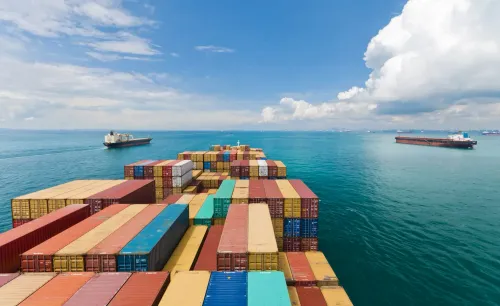
The Strait of Hormuz blockade amid the US–Israel–Iran conflict stalled 94,500 metric tonnes of fertiliser already contracted with international suppliers.
Nepal originally requested 150,000 tonnes from India; only 80,000 tonnes were approved.
Nepal relies on West Asia for 60–70% of its fertiliser imports, making it acutely vulnerable to regional disruptions.
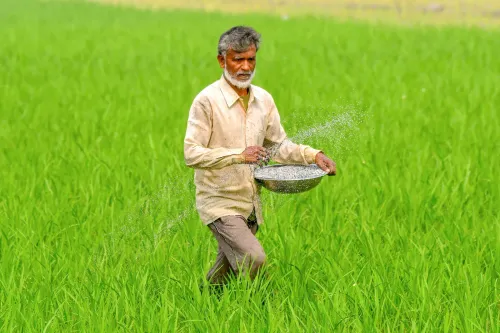
The consignment is expected to arrive by mid-August 2025 , aligning with the critical paddy top-dressing period .
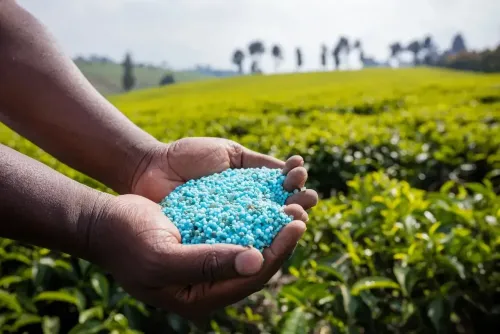
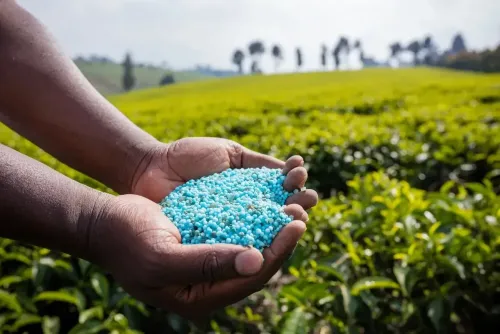
The Nepal government is set to procure 80,000 tonnes of chemical fertiliser from India under a government-to-government (G2G) arrangement, after the blockade of the Strait of Hormuz amid the ongoing West Asia conflict halted shipments and strained Nepal's farm input supply chain. The move comes as soaring global fertiliser prices further squeeze Kathmandu's procurement capacity ahead of the critical paddy cultivation season.
Cabinet Decision and What It Covers
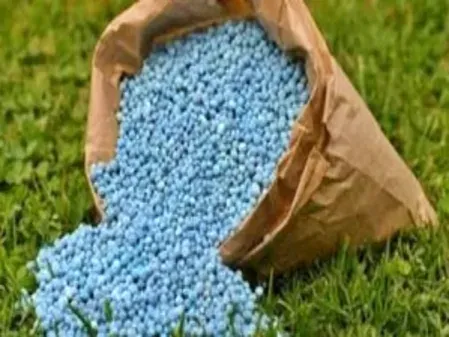
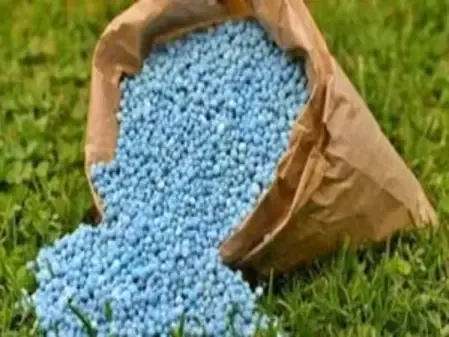
Prime Minister Balendra Shah's Cabinet on Monday approved in principle a proposal allowing the state-owned Agriculture Inputs Company to procure 80,000 tonnes of chemical fertiliser from India under the existing G2G framework. The consignment comprises 60,000 tonnes of urea and 20,000 tonnes of Di-Ammonium Phosphate (DAP).
Point of View
Landlocked economies pay the steepest price for geopolitical conflicts they have no part in. Kathmandu's dependence on West Asia for 60–70% of its fertiliser imports was a known structural vulnerability — yet the diversification to India under the 2022 G2G framework has been reactive rather than proactive. The fact that Nepal originally sought 150,000 tonnes but secured only 80,000 underscores the limits of bilateral goodwill when India itself manages domestic supply pressures. With contracts for 94,450 tonnes likely to be cancelled and purchasing capacity already down from 550,000 to 440,000 tonnes this fiscal year, the paddy season faces a genuine input shortfall — one that could ripple into food prices and rural incomes well beyond the harvest.
NationPress
19 Sept 2026
Frequently Asked Questions
Why is Nepal procuring fertiliser from India under a G2G deal?
Nepal turned to India after the blockade of the Strait of Hormuz, linked to the ongoing US–Israel–Iran conflict, halted shipments of 94,500 metric tonnes of fertiliser already contracted with international suppliers. India is being approached under a 2022 G2G agreement as an emergency alternative source.
How much fertiliser will Nepal receive from India, and what types?
Nepal's Cabinet approved procurement of 80,000 tonnes — comprising 60,000 tonnes of urea and 20,000 tonnes of DAP — from Indian state-owned firm Rashtriya Chemicals and Fertilisers Limited. Nepal had originally requested 150,000 tonnes.
When will the fertiliser consignment arrive in Nepal?
The consignment is expected to arrive by mid-August 2025, timed to coincide with the critical top-dressing period for paddy cultivation, according to Joint Secretary Ram Krishna Shrestha of the Ministry of Agriculture and Livestock Development.
How dependent is Nepal on West Asia for fertiliser imports?
Nepal relies on West Asia for 60–70% of its fertiliser imports, making it highly exposed to supply disruptions caused by regional conflicts. The current crisis has already reduced Nepal's effective procurement capacity from a targeted 550,000 tonnes to around 440,000 tonnes this fiscal year.
What is the financial impact of the fertiliser crisis on Nepal?
The Nepali government has allocated NPR 28.82 billion in fertiliser subsidies for fiscal year 2025–26. However, escalating global prices driven by geopolitical tensions have cut purchasing power from a target of 550,000 tonnes to roughly 440,000 tonnes, while contracts for 94,450 tonnes are likely to be cancelled.