India fertiliser shipment to ease Nepal's paddy season supply crunch
Synopsis
With Nepal's paddy season weeks away and global supply chains rattled by the West Asia conflict, Kathmandu has turned to India for an emergency consignment of 80,000 tonnes of fertiliser — less than half of what it originally sought, cut back by budget constraints. The deal, struck under a 2022 bilateral pact, highlights how geopolitical shocks in distant theatres can cascade into food security crises for landlocked, import-dependent economies.
Key Takeaways
India is supplying 80,000 tonnes of fertiliser to Nepal — 60,000 tonnes of urea and 20,000 tonnes of DAP — under a 2022 bilateral agreement .
Nepal's Cabinet approved the procurement plan on 4 May ; a formal order will follow once Rashtriya Chemicals and Fertilisers Limited delivers its price list this week.
Nepal originally sought 1,50,000 tonnes from India but scaled back to 80,000 tonnes due to budget constraints.
The country requires around 2,50,000 tonnes of fertiliser during the paddy plantation season alone, which begins in June .
Global price pressures have reduced Nepal's effective purchasing capacity from a target of 5,50,000 tonnes to around 4,40,000 tonnes this fiscal year.
Rice accounts for roughly 67% of Nepal's cereal consumption, making fertiliser supply a direct food security concern.
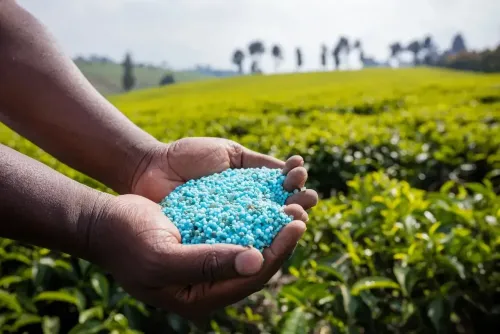
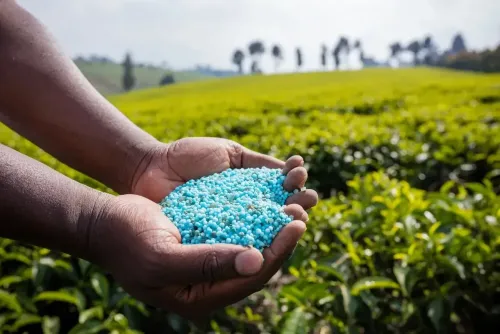
India is set to dispatch 80,000 tonnes of chemical fertiliser to Nepal under a government-to-government arrangement, a move that Kathmandu hopes will plug a critical supply gap ahead of the paddy transplantation season beginning in June. The shipment — comprising 60,000 tonnes of urea and 20,000 tonnes of di-ammonium phosphate (DAP) — is expected to arrive in time to support the 'top dressing' phase of paddy cultivation, according to reports citing Nepali officials.
How the Deal Came Together
Nepal's Cabinet on 4 May approved a procurement plan, after which Kathmandu formally approached India's state-owned Rashtriya Chemicals and Fertilisers Limited (RCF) for pricing details. The purchase is being carried out under a 2022 bilateral agreement between the two countries. Ram Krishna Shrestha, Joint Secretary at Nepal's Ministry of Agriculture and Livestock Development, told The Kathmandu Post that RCF had assured delivery within 120 days of payment — but Nepal has requested a shorter window given the urgency. 'But since it's an emergency, we have requested a shorter delivery period,' Shrestha said. The price list is expected to be shared this week, after which a formal order will be placed.
Why Nepal Faces a Supply Emergency
Nepal's fertiliser system is under severe strain. The country's Agriculture Inputs Company currently holds approximately 1,71,000 tonnes in stock, while contracts for 94,450 tonnes are likely to be cancelled due to supplier defaults. Officials noted that issuing fresh global tenders would take at least 225 days — far too long given that the paddy season starts in June. Nepal initially sought 1,50,000 tonnes from India, but the volume was scaled back to 80,000 tonnes due to budget constraints. The Balendra Shah-led government had allocated Nepali Rs 28.82 billion in subsidies for fertiliser imports this fiscal year, originally targeting 5,50,000 tonnes. However, rising global prices — driven largely by geopolitical tensions in West Asia — have cut Nepal's effective purchasing capacity to around 4,40,000 tonnes.
The Gulf Dependency Problem
Nepal relies heavily on fertiliser imports from Persian Gulf countries, making it acutely vulnerable to disruptions in global shipping and energy markets. The ongoing West Asia conflict has amplified those fears, prompting Kathmandu to pivot toward a more stable bilateral supply route with India. This is not the first time Nepal has faced such a crunch — chronic shortages have long been linked to weak distribution infrastructure, low buffer stocks, and policy gaps, according to reports.
Food Security Stakes
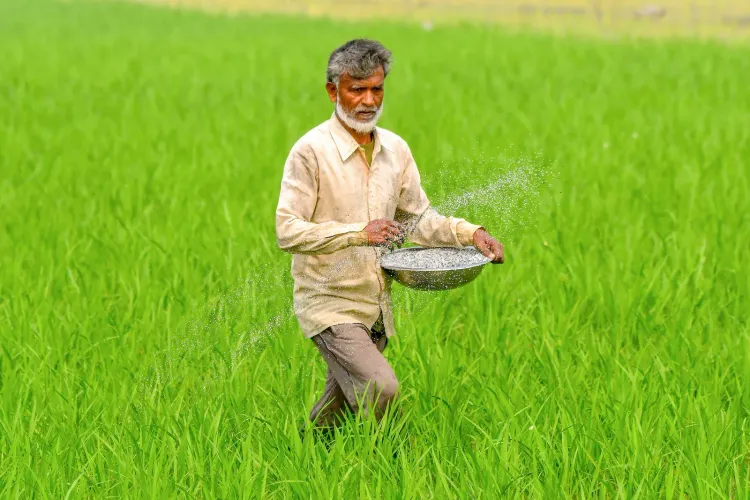
The urgency is underscored by rice's central role in Nepal's diet. Rice accounts for roughly 67% of cereal consumption and more than half of total calorie intake, with average annual per capita consumption at 137.5 kg. Combined with legumes, rice provides nearly 23% of total protein intake. Nepal requires around 2,50,000 tonnes of fertiliser during the paddy plantation season alone, and any shortfall directly translates into lower crop yields, higher food prices, and reduced farm incomes. The top-dressing phase — when fertiliser is applied roughly 25 to 30 days after transplantation — is particularly critical for yield outcomes.
What Comes Next
Once Nepal reviews RCF's price list and places a formal order, the shipment timeline will be confirmed. Farmers already contending with climate risks such as droughts and floods stand to benefit most if the supplies arrive before the transplantation window closes. Whether the 80,000-tonne consignment is sufficient to bridge the full gap remains an open question, given that Nepal's seasonal requirement alone stands at 2,50,000 tonnes.
Point of View
Or simply defers a reckoning with the country's chronically underfunded and poorly buffered farm input system.
NationPress
5 Oct 2026
Frequently Asked Questions
What fertiliser is India supplying to Nepal and under which agreement?
India is supplying 80,000 tonnes of chemical fertiliser — 60,000 tonnes of urea and 20,000 tonnes of di-ammonium phosphate (DAP) — under a 2022 bilateral agreement between the two countries. The procurement is being handled by India's state-owned Rashtriya Chemicals and Fertilisers Limited.
Why does Nepal urgently need fertiliser from India?
Nepal's paddy transplantation season begins in June , and the country faces a supply shortfall after global price spikes — linked to the West Asia conflict — eroded its purchasing capacity. Issuing fresh global tenders would take at least 225 days , making India's bilateral route the only viable option within the required timeframe.
How much fertiliser does Nepal need during the paddy season?
Nepal requires around 2,50,000 tonnes of fertiliser during the paddy plantation season alone. The Agriculture Inputs Company currently holds roughly 1,71,000 tonnes in stock, and contracts for 94,450 tonnes are at risk of cancellation due to supplier defaults.
Why is fertiliser supply critical to Nepal's food security?
Rice accounts for approximately 67% of Nepal's cereal consumption and more than half of total calorie intake, with per capita annual consumption at 137.5 kg . Fertiliser shortages directly reduce crop yields, push up food prices, and lower farm incomes, hitting an already climate-stressed farming population.
When will Nepal place a formal order with India?
Nepal expects to receive RCF's price list this week. Once reviewed, a formal order will be placed, after which RCF has indicated delivery within 120 days of payment — though Nepal has requested a shorter timeline given the emergency.