India to supply 80,000 tonnes of fertiliser to Nepal amid Hormuz disruptions
Synopsis
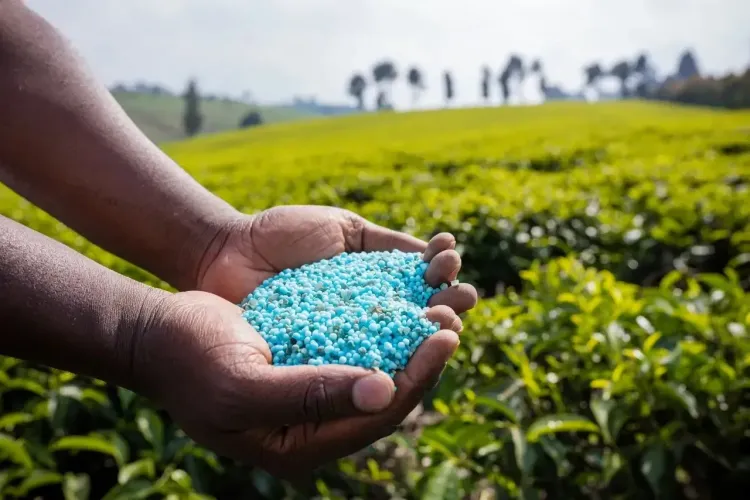
With Nepal's Gulf fertiliser shipment blocked by the Strait of Hormuz disruption, India has stepped in with 80,000 tonnes of urea and DAP under a G2G deal — a timely intervention ahead of the critical paddy transplantation season, and another demonstration of New Delhi's Neighbourhood First policy in action.
Key Takeaways
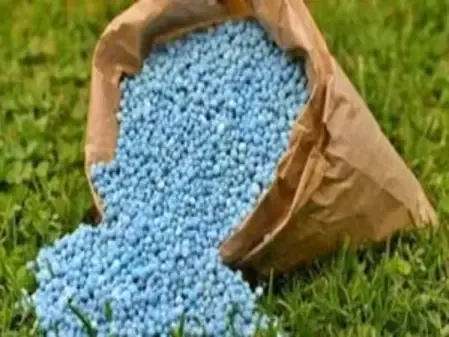
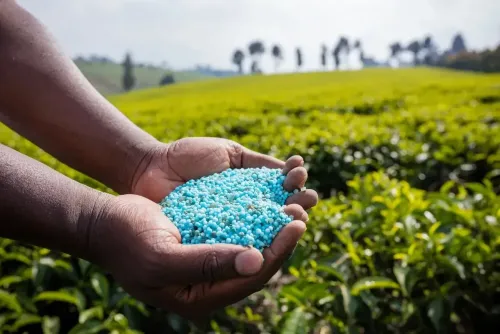
India will supply 80,000 tonnes of fertiliser to Nepal — 60,000 tonnes of urea and 20,000 tonnes of DAP .
The supply is being handled by state-owned Rashtriya Chemicals and Fertilisers Limited (RCF) under a G2G framework .
Shipments are scheduled to arrive by mid-August , ahead of Nepal's paddy transplantation season .
Nepal's original Gulf shipment was disrupted due to a blockade in the Strait of Hormuz .
The deal operates under an MoU signed in 2022 between India and Nepal on fertiliser cooperation.
MEA spokesperson Randhir Jaiswal confirmed the development at the ministry's weekly briefing on 12 May .
India has agreed to supply 80,000 tonnes of fertiliser to Nepal after receiving a formal request from Kathmandu, as the Himalayan nation faces supply disruptions linked to the West Asian conflict. Ministry of External Affairs (MEA) spokesperson Randhir Jaiswal confirmed the development on Tuesday, 12 May, during the ministry's weekly briefing.
What India Is Supplying
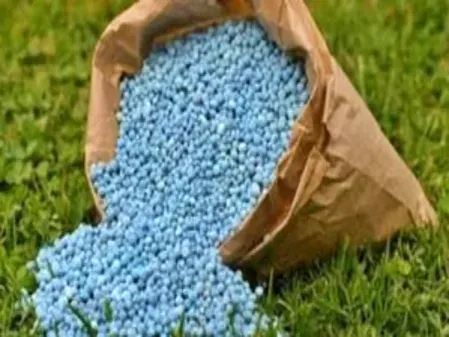
The consignment comprises 60,000 tonnes of urea and 20,000 tonnes of DAP (Di-ammonium Phosphate), sourced through a government-to-government (G2G) arrangement. The supply is being handled by India's state-owned Rashtriya Chemicals and Fertilisers Limited (RCF), with shipments scheduled to arrive by mid-August.
The deal falls under a broader Memorandum of Understanding (MoU) signed between India and Nepal in 2022 on fertiliser cooperation, according to a press release issued by the Indian Embassy in Kathmandu.
Why Nepal Faces a Shortage
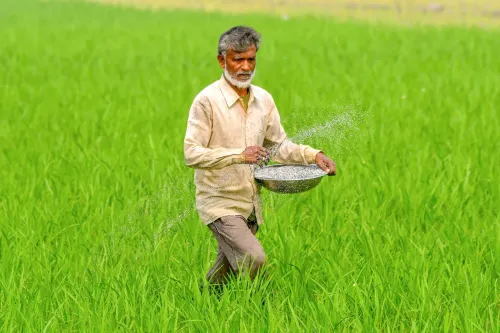
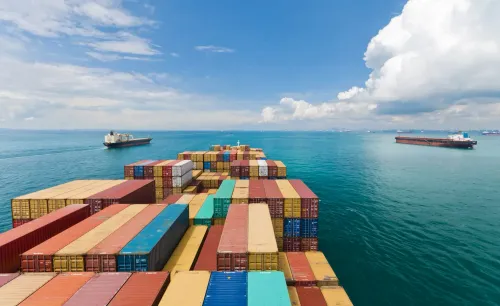
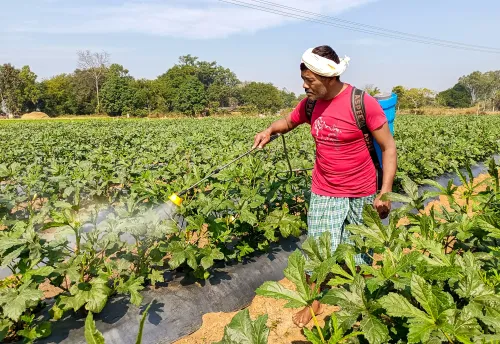
Nepal's Cabinet approved the urgent purchase after a fertiliser shipment expected from the Gulf region was disrupted due to a blockade in the Strait of Hormuz, according to media reports. The timing is critical — Nepal is approaching its paddy transplantation season, when demand for fertilisers peaks sharply. A shortfall at this stage could directly affect agricultural output and food security in the country.
This is not the first time global geopolitical disruptions have affected Nepal's fertiliser imports. The landlocked nation is structurally dependent on third-country supply chains, making it particularly vulnerable to route disruptions in the Middle East.
What the MEA Said
"We have received a request from Nepal for the supply of fertilisers. This is being processed within the existing framework of cooperation," Jaiswal said at the briefing.
The spokesperson also highlighted India's broader energy supply commitments to its neighbours. "We have been supplying diesel to Bangladesh through the high-speed diesel friendship pipeline that we have. We also got some additional requests from Bangladesh, which we met and we are meeting," he said. He added that India has been supplying energy products to Bhutan, Nepal, Sri Lanka, and that arrangements with Mauritius are currently in the works.
India's Neighbourhood Policy in Focus
The fertiliser supply underscores New Delhi's 'Neighbourhood First' policy, which has seen India step in as an emergency supplier across sectors — from fuel to medicines — for South Asian nations facing external shocks. This comes amid heightened geopolitical volatility in West Asia, which has disrupted commodity flows across the Indian Ocean region.
Notably, the G2G framework bypasses commercial intermediaries, allowing faster procurement and more predictable pricing for Nepal — a model that both governments have increasingly favoured for critical commodities.
With shipments expected by mid-August, the focus now shifts to logistics and timely delivery before the transplantation season reaches its peak.
Point of View
Reinforcing economic leverage alongside goodwill. The 2022 MoU provides the legal scaffolding, but the real signal is the speed of response: a G2G mechanism that bypasses commercial delays. Critics may note that Nepal's dependence on India for both energy and agriculture inputs deepens an asymmetric relationship — but for Kathmandu right now, that asymmetry is a lifeline.
NationPress
26 Sept 2026
Frequently Asked Questions
Why is India supplying fertiliser to Nepal?
India is supplying fertiliser to Nepal because a Gulf shipment destined for Nepal was disrupted by a blockade in the Strait of Hormuz, creating an urgent shortage ahead of the paddy transplantation season. Nepal formally requested India's assistance, which is being processed under an existing bilateral framework.
How much fertiliser will India supply to Nepal?
India will supply 80,000 tonnes of fertiliser in total — comprising 60,000 tonnes of urea and 20,000 tonnes of DAP — through a government-to-government deal handled by Rashtriya Chemicals and Fertilisers Limited.
When will the fertiliser shipments reach Nepal?
The fertiliser shipments are scheduled to arrive in Nepal by mid-August, which is timed to stabilise supplies before the paddy transplantation season peaks.
What is the legal basis for the India-Nepal fertiliser deal?
The supply is governed by a Memorandum of Understanding (MoU) signed between India and Nepal in 2022 on fertiliser cooperation, as confirmed by the Indian Embassy in Kathmandu.
Is India supplying other commodities to its neighbours?
Yes. According to MEA spokesperson Randhir Jaiswal, India is also supplying diesel to Bangladesh via the high-speed diesel friendship pipeline, energy products to Bhutan, Sri Lanka, and Nepal under existing commercial agreements, and is working on arrangements with Mauritius.