15 India-bound fertiliser ships clear Hormuz Strait, stocks to surge
Synopsis
Despite West Asia conflict disrupting the Strait of Hormuz, India has successfully cleared 15 fertiliser-laden ships carrying urea, DAP and sulphur — while gas supply to domestic urea plants has been fully restored to 100%. With five more vessels en route and diplomatic outreach spanning 28 Indian Missions, the government is projecting a significant build-up in fertiliser stocks ahead of the kharif season.
Key Takeaways
15 India-bound vessels have safely crossed the Strait of Hormuz , carrying urea, DAP, and sulphur.
The shipments include 3.32 LMT of urea , 2.57 LMT of DAP , and 1.11 LMT of sulphur .
Five more vessels are en route, carrying ammonia, urea, and sulphur.
Natural gas supply to fertiliser plants, which had fallen to 65% , has been fully restored to 100% ; all urea plants are now at full capacity.
28 Indian Missions abroad facilitated procurement from 11 countries for urea and 8 countries for DAP and NPK.
Nadda confirmed the government's priority to keep fertilisers affordable for Indian farmers despite global price surges.
A total of 15 India-bound vessels carrying fertilisers and fertiliser raw materials have safely crossed the Strait of Hormuz, according to an official statement issued on Sunday, 5 July. The clearance is expected to deliver a significant boost to India's fertiliser stocks at a time when West Asia tensions had threatened to disrupt critical agricultural supply chains.
What the Shipments Carry
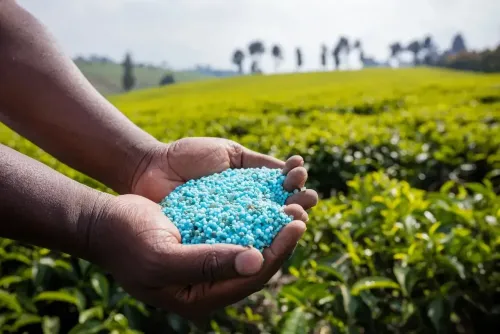
Of the 15 vessels that have cleared the strait, eight are transporting 3.32 lakh metric tonnes (LMT) of urea, four are carrying 2.57 LMT of DAP (di-ammonium phosphate), and three are laden with 1.11 LMT of sulphur. Together, these shipments represent a substantial injection into India's fertiliser pipeline ahead of the kharif sowing season.
Five More Vessels En Route
Beyond the 15 that have already crossed, five additional vessels are scheduled to arrive in India. One is carrying 0.25 LMT of ammonia and another 0.45 LMT of urea. Loading operations are currently under way on two more urea vessels and one sulphur vessel. All five are expected to arrive as scheduled, further reinforcing domestic stocks, according to the official statement.
Gas Supply Fully Restored, Urea Plants at Full Capacity
In a parallel development, natural gas supply to fertiliser manufacturing plants — which had temporarily dipped to around 65 per cent of normal levels — has now been fully restored to 100 per cent. As a result, all urea plants across India are operating at full capacity, driving a significant uptick in domestic production. The combination of restored gas supply and incoming shipments is expected to stabilise fertiliser availability nationwide.
How India Secured Supplies Amid the Crisis
The government says it navigated the disruption through advance planning, inter-agency coordination, and active diplomacy. 28 Indian Missions abroad played a key role, facilitating contacts with producers and supporting the Department of Fertilisers in securing timely supplies. For urea, alternative sources were arranged from Oman, Malaysia, Vietnam, Georgia, Nigeria, Russia, Finland, Egypt, Algeria, Turkiye, and the Netherlands. DAP and NPK fertilisers were sourced via the Red Sea route from Russia, Morocco, Egypt, the United States, Jordan, South Korea, Tunisia, and Saudi Arabia.
What the Government Said
Union Minister for Chemicals and Fertilisers J.P. Nadda acknowledged the severity of the disruption. 'The conflict that began in West Asia severely disrupted global supply chains. Fertiliser prices soared and shipment transit times increased considerably. India was also affected by this global crisis, resulting in challenges in ensuring uninterrupted supplies of fertiliser raw materials and finished fertilisers. However, under the able leadership of Prime Minister Narendra Modi, the Government of India remained vigilant and fully prepared from the very beginning,' he said.
Nadda added that despite an unprecedented surge in global fertiliser prices, the government had kept farmers' welfare as its highest priority, ensuring fertilisers remain available in a 'timely, equitable and affordable manner.' This comes amid broader concerns about food security and input cost pressures on Indian farmers, particularly smallholders dependent on subsidised urea.
Point of View
But it also reveals how exposed India's agricultural supply chain remains to geopolitical flashpoints thousands of kilometres away. The temporary 35% drop in gas supply to urea plants — barely mentioned in official statements — is the more telling detail: domestic production buffers are thinner than the government's confident messaging suggests. India's fertiliser diplomacy across 11 countries for urea alone underscores a structural import dependency that subsidy policy has not resolved. The real test will come if the West Asia situation deteriorates again before the rabi season procurement cycle begins.
NationPress
5 Oct 2026
Frequently Asked Questions
How many fertiliser ships have safely crossed the Strait of Hormuz bound for India?
A total of 15 vessels have safely crossed the Strait of Hormuz as of 5 July, carrying urea, DAP, and sulphur destined for India. Five additional vessels are also scheduled to arrive as planned.
What fertilisers are on board the ships that cleared the Strait of Hormuz?
The 15 vessels carry 3.32 lakh metric tonnes of urea (8 ships), 2.57 LMT of DAP (4 ships), and 1.11 LMT of sulphur (3 ships). The five additional vessels en route include ammonia and more urea and sulphur.
Has gas supply to Indian fertiliser plants been restored after the West Asia crisis?
Yes. Natural gas supply to fertiliser plants, which had temporarily fallen to around 65% of normal levels, has been fully restored to 100%. All urea plants in India are now operating at full capacity.
Which countries is India sourcing fertilisers from amid the supply disruption?
For urea, India has arranged supplies from Oman, Malaysia, Vietnam, Georgia, Nigeria, Russia, Finland, Egypt, Algeria, Turkiye, and the Netherlands. DAP and NPK are being sourced from Russia, Morocco, Egypt, the United States, Jordan, South Korea, Tunisia, and Saudi Arabia.
What role did Indian diplomatic missions play in securing fertiliser supplies?
28 Indian Missions abroad facilitated contacts with producers and suppliers across multiple countries, actively supporting the Department of Fertilisers in ensuring timely procurement during the disruption caused by the West Asia conflict.