Karnataka fertiliser shortage a myth, says Union Minister Pralhad Joshi
Synopsis
Union Minister Pralhad Joshi has called out Karnataka's Congress government for 'creating unnecessary panic' among farmers, backing his rebuttal with granular supply data: Urea availability at 5.59 LMT against a 3.13 LMT requirement, and NPK stocks more than double the need. The Centre is pointing fingers at the state for distribution failures — not supply gaps.
Key Takeaways
Union Minister Pralhad Joshi on 13 June 2026 rejected Congress allegations of a fertiliser shortage in Karnataka .
Urea availability for Kharif-2026 stands at 5.59 LMT against a pro-rata requirement of 3.13 LMT ; residual stock is over 3.29 LMT .
DAP availability is 2.57 LMT vs a requirement of 1.89 LMT ; NPK availability is 9.28 LMT vs a requirement of 4.36 LMT .
Between January and March 2026 , Karnataka received 33,000 MT extra Urea, 1.29 LMT extra DAP, and 1.58 LMT extra NPK as advance stocking.
Global supply pressures from conflicts involving the US , Israel , and Iran , and reduced exports from China , are cited as the broader backdrop.
The minister placed responsibility for last-mile distribution on the Karnataka state government , warning against black marketing and hoarding of subsidised fertilisers.
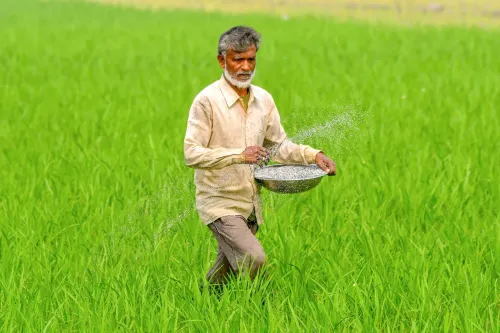
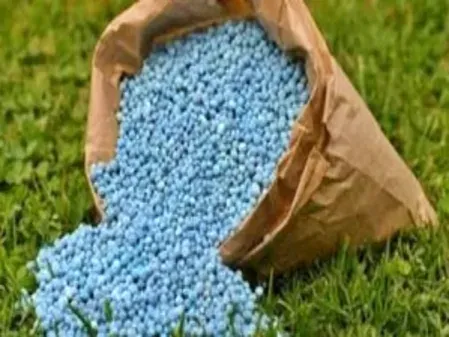
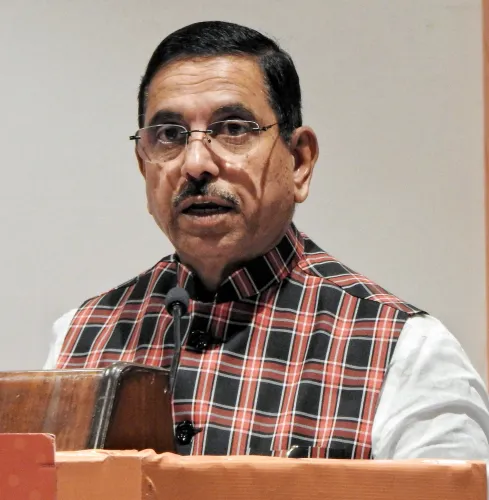
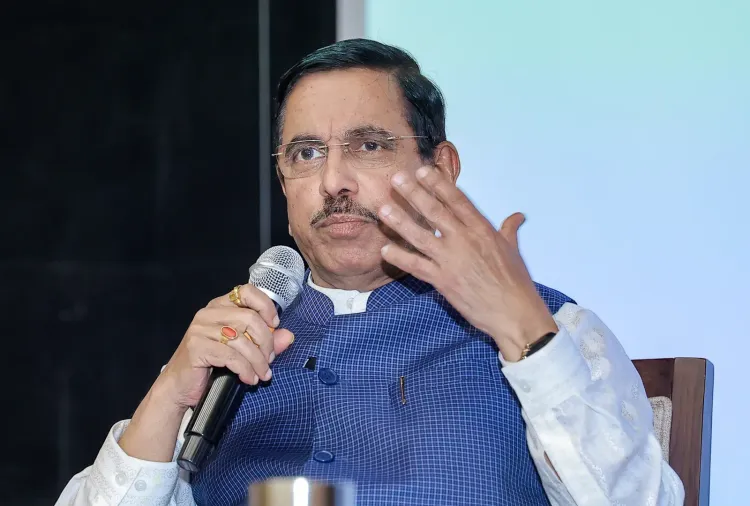
Union Minister of Consumer Affairs, Food and Public Distribution Pralhad Joshi on Saturday, 13 June flatly rejected allegations by Karnataka's ruling Indian National Congress (Congress) leaders that farmers in the state are facing a fertiliser shortage, asserting that stocks of Urea, DAP, and NPK fertilisers are well above requirements for the ongoing Kharif-2026 season. The minister described the Congress claims as misleading and contrary to official supply data.
The Numbers Behind the Claim
According to Joshi, against Karnataka's pro-rata Kharif requirement of 3.13 lakh metric tonnes (LMT) of Urea up to 10 June, the Centre ensured availability of 5.59 LMT. After sales, the state still holds over 3.29 LMT of Urea stock, including quantities in transit.
On DAP, availability stood at 2.57 LMT against a pro-rata requirement of 1.89 LMT, with residual stocks — including transit quantities — at 1.16 LMT. For NPK fertilisers, availability reached 9.28 LMT against a requirement of 4.36 LMT, leaving current stocks at 5.61 LMT.
Rabi Season Supplies Also Exceeded Targets
The minister pointed out that Karnataka received fertiliser well above its needs during the previous Rabi season as well. Against a Urea requirement of 7.60 LMT, the Centre supplied 10.48 LMT. DAP availability reached 4.19 LMT against a requirement of 1.98 LMT, while NPK availability touched 13.52 LMT against a demand of 7.20 LMT.
To prepare for Kharif-2026, the Centre proactively supplied additional stocks between January and March 2026, giving Karnataka 33,000 metric tonnes more Urea than required, along with an additional 1.29 LMT of DAP and 1.58 LMT of NPK fertilisers.
Global Pressures and India's Response
Joshi acknowledged that fertiliser availability worldwide has come under strain due to ongoing geopolitical conflicts involving the United States, Israel, and Iran, compounded by reduced exports from major suppliers, particularly China. Despite these headwinds, India has maintained adequate stocks through enhanced domestic production and timely imports, he said.
Notably, Karnataka itself recorded unusually high fertiliser sales in recent months — DAP and NPK consumption during the Rabi season exceeded projected requirements — which tightened available inventories within the state, the minister noted.
Centre Puts Ball in State's Court
'The Centre has ensured adequate supplies. Karnataka must strengthen inter-district and intra-district distribution and prevent bottlenecks. There should be no room for black marketing, hoarding or diversion of subsidised fertilisers meant for farmers,' Joshi said.
The Union Government has already conducted several high-level review meetings with Karnataka officials and fertiliser companies, directing strict action against illegal diversion of subsidised Urea for non-agricultural purposes. Fertiliser companies have been instructed to meet all genuine demands from the state, and the situation is being monitored daily in coordination with the state government.
'There is no cause for alarm. Attempts to create fear among farmers for political reasons are unwarranted,' the minister asserted. With Kharif sowing gathering pace, how effectively Karnataka manages last-mile distribution will determine whether the supply surplus actually reaches farmers on the ground.
Point of View
But supply at the warehouse level and supply at the farm gate are two different things. The minister's own admission that unusually high Rabi-season consumption tightened inventories signals that demand pressures are real, even if a 'shortage' is technically overstated. Pinning last-mile distribution entirely on the state while controlling procurement, pricing, and allocation centrally is a convenient division of accountability — and one that farmers caught between the two tiers of government will find cold comfort in.
NationPress
13 Sept 2026
Frequently Asked Questions
Is there a fertiliser shortage in Karnataka for Kharif 2026?
According to Union Minister Pralhad Joshi, there is no shortage. Official data shows Urea availability at 5.59 LMT against a pro-rata Kharif-2026 requirement of 3.13 LMT, with DAP and NPK stocks also exceeding requirements. The Karnataka Congress government has alleged a shortage, which the Centre has rejected as misleading.
What are the current fertiliser stock levels in Karnataka?
As of 10 June 2026, Karnataka holds over 3.29 LMT of Urea (including transit), 1.16 LMT of DAP, and 5.61 LMT of NPK fertilisers after sales. All three figures exceed the state's pro-rata Kharif-2026 requirements, according to the Union Ministry.
Why did fertiliser inventories tighten in Karnataka recently?
Union Minister Joshi noted that Karnataka recorded unusually high DAP and NPK sales in recent months, and fertiliser consumption during the Rabi season exceeded projected requirements. This higher-than-expected offtake drew down available inventories within the state, even though total supplies from the Centre remained above requirement.
What global factors are affecting fertiliser supply in India?
Ongoing geopolitical conflicts involving the United States, Israel, and Iran, along with reduced fertiliser exports from China, have created pressure on global fertiliser availability. India has responded through enhanced domestic production and timely imports to maintain adequate national stocks, according to the minister.
Who is responsible for fertiliser distribution in Karnataka?
The Centre controls procurement, pricing, and allocation of fertilisers, while the state government is responsible for intra-state and inter-district distribution. Joshi has placed responsibility for last-mile delivery on the Karnataka government, directing it to prevent hoarding, black marketing, and diversion of subsidised fertilisers.