Pralhad Joshi Rejects Karnataka's Fertilizer Shortage Claims
Synopsis
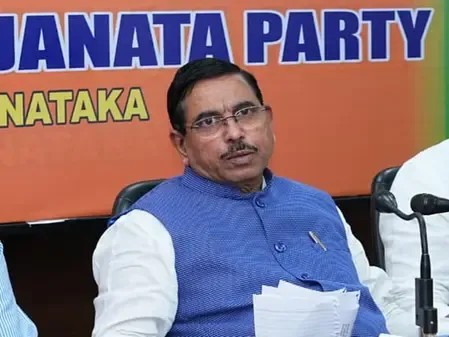
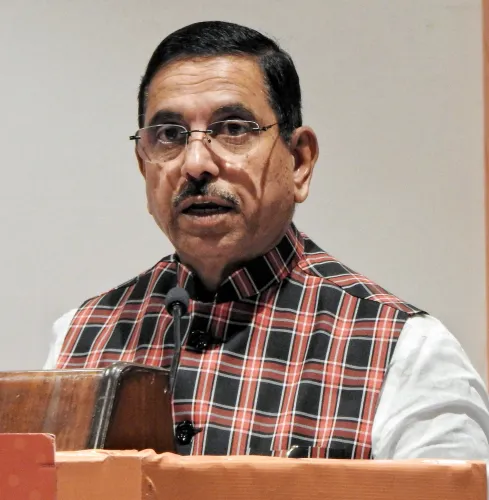
Union Minister Pralhad Joshi on June 13 rejected Karnataka's fertilizer shortage claims, releasing figures showing central allocations of urea, DAP and NPKS far exceeded the state's kharif 2026 requirements, and blamed the state for distribution failures and diversion of subsidised stocks.
Key Takeaways
Union Minister Pralhad Joshi publicly rebutted the Karnataka government's claims of a fertilizer shortage ahead of the 2026 kharif season.
Central urea availability for Karnataka stood at 5.59 LMT against a pro-rata requirement of 3.13 LMT , with a closing stock of 3.12 LMT and 17,190 MT in transit as of June 10 .
DAP availability was 2.57 LMT against a requirement of 1.89 LMT ; NPKS availability exceeded 5.6 LMT against a requirement of 4.36 LMT .
Between January and March 2026 , Karnataka received advance stocks exceeding its estimated need: 0.33 LMT extra urea, 1.29 LMT extra DAP, and 1.58 LMT extra NPKS.
Joshi attributed any localised shortages to the state's failure to prevent hoarding, black-market sales and diversion of subsidised fertilizers, calling it an 'administrative failure.' The minister reaffirmed the central government's commitment to protecting Karnataka farmers' interests through the kharif season.
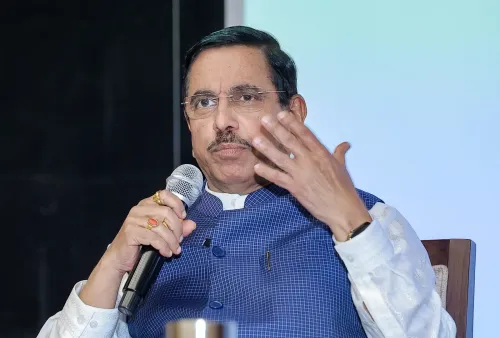
Union Consumer Affairs Minister Pralhad Joshi on Saturday, June 13, 2026, sharply rebutted the Karnataka state government's allegations of fertilizer shortages ahead of the kharif sowing season, releasing detailed supply figures to argue that the centre had not only met but exceeded the state's pro-rata requirements.
Context
As monsoon activity began picking up across Karnataka, the state government had claimed a fertilizer shortage and directed criticism at the central government. Minister Joshi dismissed this as a misrepresentation, stating in Kannada: 'ಕರ್ನಾಟಕದಲ್ಲಿ ಮುಂಗಾರು ಚಟುವಟಿಕೆ ಆರಂಭವಾಗುತ್ತಿದ್ದಂತೆ ರಸಗೊಬ್ಬರ ಕೊರತೆಯಾಗಿದೆ ಎಂದು ಬಿಂಬಿಸಿ' ('portraying a fertilizer shortage as monsoon activity begins in Karnataka'), calling the accusations evidence of the state government's own administrative failure.
Fertilizer supply is a long-standing centre-state friction point in India. The Union government controls production targets, import procurement and pro-rata allocations to states, while state governments are responsible for district-level distribution, enforcement against diversion, and ensuring stocks reach farmers at the last mile.
Policy Backdrop
The central government's rebuttal came with a detailed breakdown of fertilizer availability for the 2026 kharif season in Karnataka as of June 10, 2026:
Urea: Against a pro-rata requirement of 3.13 lakh metric tonnes (LMT), availability was ensured at 5.59 LMT. After sales of 2.47 LMT, a closing stock of 3.12 LMT remained, with an additional 17,190 metric tonnes in transit.
DAP (Di-Ammonium Phosphate): Against a requirement of 1.89 LMT, availability was secured at 2.57 LMT, with a current stock of 1.09 LMT and additional supply en route.
NPKS: Against a requirement of 4.36 LMT, availability was ensured at 9.28 LMT. Even after substantial sales, more than 5.6 LMT — including in-transit stock — remained available.
Joshi further noted that between January and March 2026, the state had already received supplies in excess of its estimated requirement: 0.33 LMT extra urea, 1.29 LMT extra DAP, and 1.58 LMT extra NPKS, as part of advance stocking facilitation by the centre.
The advance stocking drive is consistent with a policy posture adopted after the 2022 Russia-Ukraine conflict disrupted global fertilizer supply chains, prompting the centre to expand domestic urea capacity and diversify import sources. The minister also cited ongoing geopolitical challenges — including the Iran-Israel conflict and export restrictions from major supplying nations — as headwinds that the centre had proactively managed.
Stakeholders and Impact
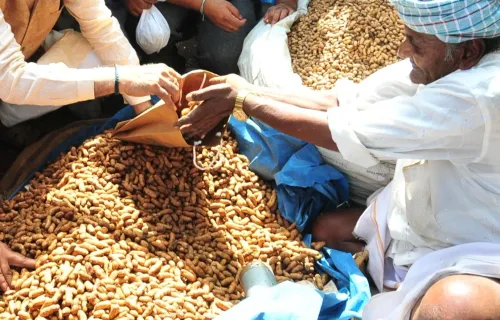
Karnataka's farming community, which depends heavily on timely fertilizer access at the onset of the kharif season, is at the centre of this dispute. The minister argued that the availability problem was not real — the actual challenge, he said, lay in the state's failure to ensure equitable inter-district distribution, prevent hoarding and black-market diversion of subsidised fertilizers, and deliver stocks to farmers where they are needed.
He stated plainly: the above figures 'clearly show that fertilizer availability is not the issue at all,' and that the state government's irresponsibility lay in not curbing stockpiling rackets, black-market sales, and misuse of subsidised fertilizers.
The Nutrient Based Subsidy (NBS) scheme, introduced in 2010, underpins central support for phosphatic and potassic fertilizers including DAP and NPKS. Subsidised urea remains under statutory price control, making diversion to non-agricultural uses a persistent enforcement challenge that falls squarely within state jurisdiction.
What's Next
The minister concluded by reaffirming that the Government of India remains 'fully committed to protecting the interests of farmers and ensuring adequate fertilizer availability across Karnataka.' The political salience of this dispute is likely to persist through the kharif sowing window, with field-level distribution reports from Karnataka districts serving as a real-world test of both sides' claims. Any escalation could surface during the monsoon session of Parliament, where opposition members from Karnataka may press the ministry for district-wise stock data and diversion enforcement figures.
Point of View
Ruled by the Congress, makes a politically convenient foil, and the timing — at the onset of the kharif sowing season when farmer distress is most visible — amplifies the stakes for both sides. The broader pattern is significant: centre-state disputes over fertilizer distribution have intensified since the 2022 global supply shock forced the Union government to take a more interventionist role in procurement, giving it both more credit to claim and more blame to deflect. Whether the minister's figures translate into actual availability at the village level will determine which side wins the political argument on the ground.
NationPress
27 Oct 2026
Frequently Asked Questions
Is there a fertilizer shortage in Karnataka for kharif 2026?
Union Minister Pralhad Joshi says there is no shortage, citing central allocations of urea, DAP and NPKS that significantly exceed Karnataka's pro-rata requirements for the kharif 2026 season. He attributes localised supply problems to the state government's distribution and enforcement failures.
How much urea has the central government allocated to Karnataka for kharif 2026?
The central government ensured urea availability of 5.59 lakh metric tonnes for Karnataka against a pro-rata requirement of 3.13 lakh metric tonnes . After sales of 2.47 LMT, a closing stock of 3.12 LMT remained with an additional 17,190 metric tonnes in transit as of June 10, 2026.
What is the DAP and NPKS availability in Karnataka for the kharif season?
DAP availability was secured at 2.57 lakh metric tonnes against a requirement of 1.89 LMT, with 1.09 LMT in current stock. NPKS availability exceeded 5.6 lakh metric tonnes — including in-transit stock — against a requirement of 4.36 LMT.
Why is Pralhad Joshi blaming the Karnataka state government over fertilizers?
Joshi argues that since central allocations far exceed Karnataka's assessed requirements, any localised shortage is the result of the state government's failure to ensure equitable district-level distribution and to prevent hoarding, black-market sales and diversion of subsidised fertilizers.
How did global geopolitical tensions affect India's fertilizer supply for 2026?
Disruptions including the Iran-Israel conflict and export restrictions from major supplying nations posed challenges, but the central government says it proactively managed these by boosting domestic urea production and securing imports, ensuring adequate stocks for the kharif season.