Kharif 2026: Govt assures no urea, DAP shortage; subsidised prices held
Synopsis
The Centre told Parliament on 7 August that there has been no shortage of urea or DAP in three years — but the real story is the subsidy architecture holding prices at ₹242 per urea bag and ₹1,350 per DAP bag despite volatile global markets, backed by an online tracking system and weekly state-level enforcement against black marketing.
Key Takeaways
The Centre confirmed no shortage of urea or DAP over the last three years and during Kharif 2026 , as stated in Lok Sabha on 7 August 2026 .
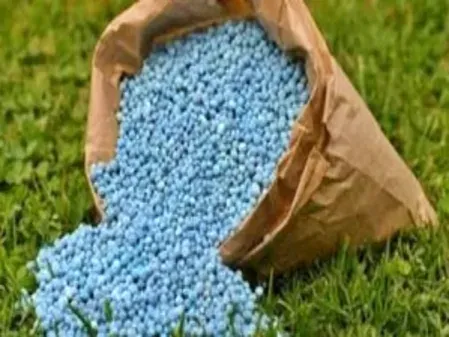
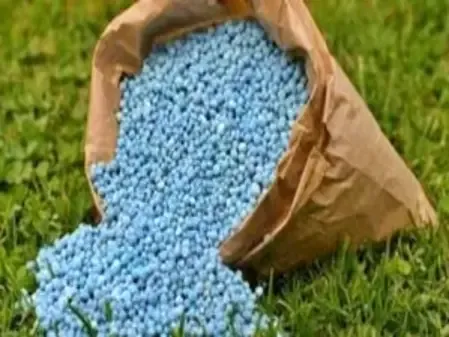
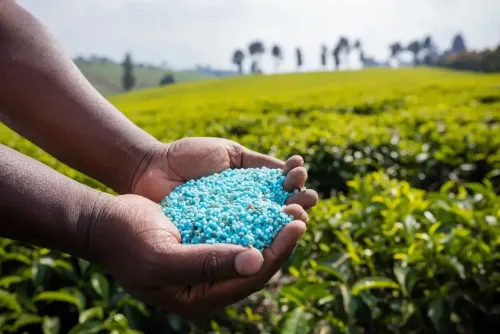
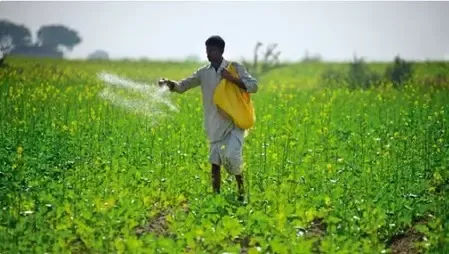
Urea is supplied at a subsidised MRP of ₹242 per 45-kg bag under the Urea Subsidy Scheme.
DAP is available at ₹1,350 per 50-kg bag for Kharif 2026, supported by a special provision of ₹3,500 per MT over NBS rates.
Fertiliser movement is tracked nationwide via the Integrated Fertiliser Management System (iFMS) .
Nano Urea and Nano DAP are available at PMKSKs but carry no government subsidy .
State enforcement against overpricing and black marketing is monitored on a weekly basis by the Department of Agriculture.
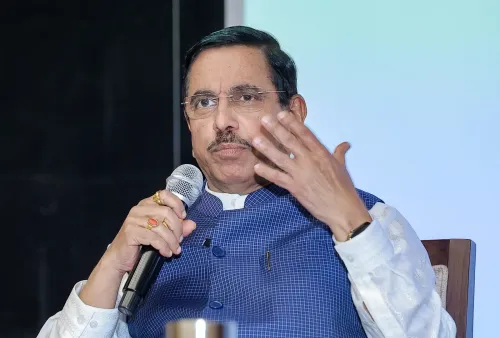
The Centre has confirmed that adequate fertiliser supplies have been maintained for farmers across the country, with no shortage of urea or DAP recorded over the last three years or during the ongoing Kharif 2026 season, Parliament was informed on Friday, 7 August 2026. The assurance came from Minister of State for Chemicals and Fertilisers, Anupriya Patel, in a written reply to a question in the Lok Sabha.
How Fertiliser Supply Is Planned and Monitored
Before each cropping season, the Department of Agriculture, in consultation with all state governments, assesses state-wise and month-wise fertiliser requirements. Based on this assessment, the department issues a monthly supply plan and allocates adequate quantities to each state. The movement of all major subsidised fertilisers is tracked in real time through an online platform called the Integrated Fertiliser Management System (iFMS).
The government also coordinates regularly with the Ministry of Railways to ensure sufficient rakes and priority freight movement for fertiliser evacuation to states. State governments are advised to coordinate with manufacturers and importers for timely placement of indents, the minister noted.
Subsidised Prices for Urea and DAP
Under the Urea Subsidy Scheme, urea is supplied to farmers at a statutorily notified maximum retail price of ₹242 per 45-kg bag (exclusive of neem-coating charges and applicable taxes). The difference between the delivered cost at the farm gate and the net market realisation is provided as subsidy directly to the urea manufacturer or importer by the Centre.
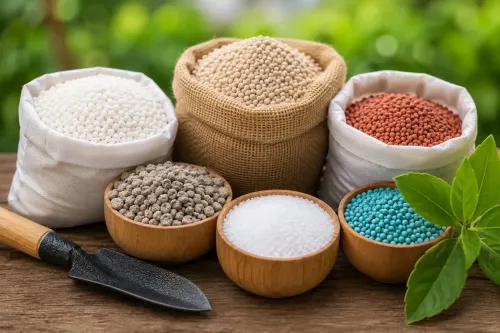
For DAP, the government has maintained an affordable price of ₹1,350 per 50-kg bag for Kharif 2026. Special provisions of ₹3,500 per metric tonne — covering costs from factory gate to farm gate, international price fluctuations, and the GST component — have been extended to both imported and domestic DAP, as well as imported TSP, over and above the Nutrient Based Subsidy (NBS) rates.
Reducing Import Dependence and Promoting Nano Fertilisers
The gap between domestic production and demand for urea and other fertilisers is currently bridged through imports, which are finalised well in advance to ensure timely availability. To reduce dependence on imported phosphatic fertilisers, the government is encouraging domestic production through a reasonable MRP framework, according to the minister.
The government is also actively promoting nano fertilisers — including Nano Urea and Nano DAP — through awareness camps, webinars, field demonstrations, Kisan Sammelans, and regional-language films. These products are made available at Pradhan Mantri Kisan Samridhi Kendras (PMKSKs). Notably, no government subsidy is provided for nano fertilisers.
Action Against Overpricing and Black Marketing
The minister also highlighted steps taken to curb overpricing, black marketing, and hoarding of fertilisers. The Department of Agriculture, in consultation with state governments, monitors enforcement actions taken by states against such malpractices on a weekly basis. This comes amid persistent concerns in some regions about retailers charging above the notified MRP during peak sowing periods.
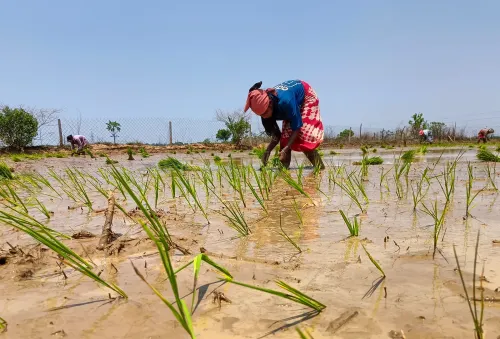
With the kharif sowing season at its peak, the government's ability to sustain subsidised supply chains — particularly amid volatile global fertiliser prices — will remain a key test of agricultural policy in the months ahead.
Point of View
But the structural vulnerability remains: India's dependence on imported DAP and phosphatic fertilisers means any sharp move in global prices — as seen in 2021-22 — can quickly stress the subsidy budget. The ₹3,500-per-MT special provision for Kharif 2026 is essentially a price-stabilisation patch, not a long-term fix. The push toward nano fertilisers and domestic phosphatic production is the right directional call, but without subsidy support, farmer adoption of nano products will remain slow. Weekly enforcement monitoring of black marketing is a welcome accountability step, but its effectiveness depends entirely on state-level political will — which has historically been uneven.
NationPress
22 Sept 2026
Frequently Asked Questions
Is there a shortage of urea or DAP for farmers in Kharif 2026?
No. The Centre confirmed in Lok Sabha on 7 August 2026 that there has been no shortage of urea or DAP during the last three years or the ongoing Kharif 2026 season. The government assesses state-wise requirements before each season and issues monthly supply plans to ensure adequate availability.
What is the subsidised price of urea for farmers in 2026?
Under the Urea Subsidy Scheme, farmers are supplied urea at a maximum retail price of ₹242 per 45-kg bag, exclusive of neem-coating charges and applicable taxes. The difference between the delivered cost at the farm gate and market realisation is paid as subsidy to the manufacturer or importer by the Centre.
What is the price of DAP for Kharif 2026 and how is it kept affordable?
DAP is available to farmers at ₹1,350 per 50-kg bag for Kharif 2026. The government has extended a special provision of ₹3,500 per metric tonne — covering logistics costs, international price swings, and GST — over and above the Nutrient Based Subsidy rates, for both imported and domestic DAP.
How does the government monitor fertiliser supply across India?
The movement of all major subsidised fertilisers is tracked in real time through the Integrated Fertiliser Management System (iFMS), an online web-based platform. The government also coordinates with the Ministry of Railways for priority freight allocation and monitors state-level enforcement against overpricing and black marketing on a weekly basis.
Are nano fertilisers subsidised by the government?
No. Nano Urea and Nano DAP are available at Pradhan Mantri Kisan Samridhi Kendras but carry no government subsidy. The government promotes their adoption through awareness camps, webinars, field demonstrations, and Kisan Sammelans, but the purchase cost is borne entirely by the farmer.