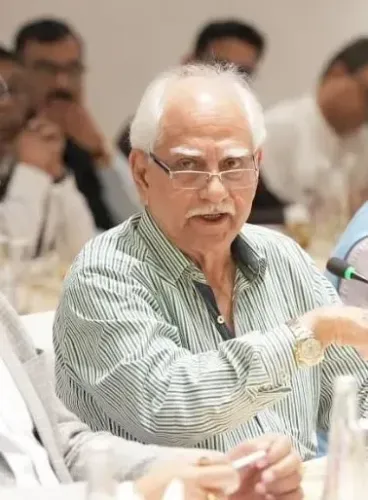
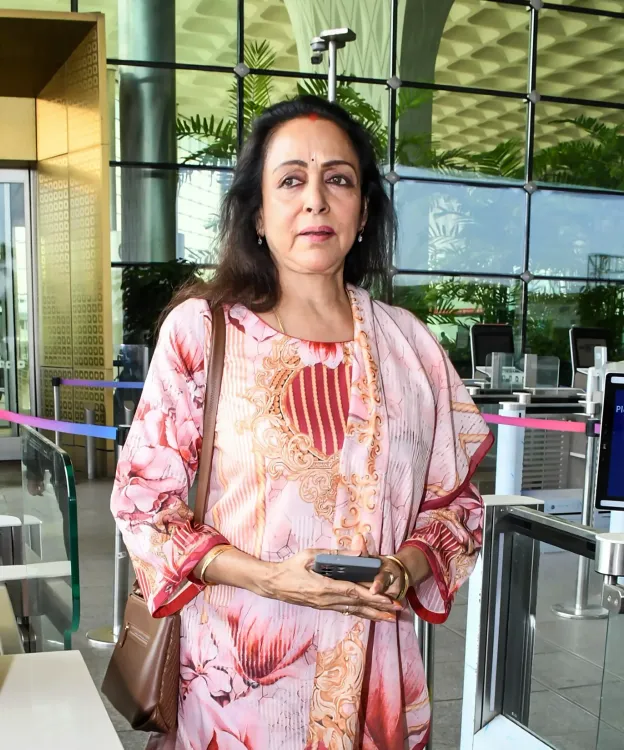
Did Hema Malini and Ramesh Sippy Celebrate 50 Years of 'Sholay' with a Special Cover Launch?
Synopsis
In an event celebrating 50 years of 'Sholay,' Hema Malini and Ramesh Sippy reflect on their creative partnership and the film's legacy. The launch of the Society Achievers cover marks a significant moment in cinema history, showcasing their enduring camaraderie and the film's cultural impact.
Key Takeaways
Hema Malini and Ramesh Sippy celebrated their creative journey at the launch event.
The cover unveiling marked 50 years since the release of 'Sholay' . 'Sholay' is a cultural icon, blending various cinematic genres.
The film's legacy is rooted in its unforgettable characters and dialogues.
Creative trust between filmmakers and actors is essential for successful storytelling.
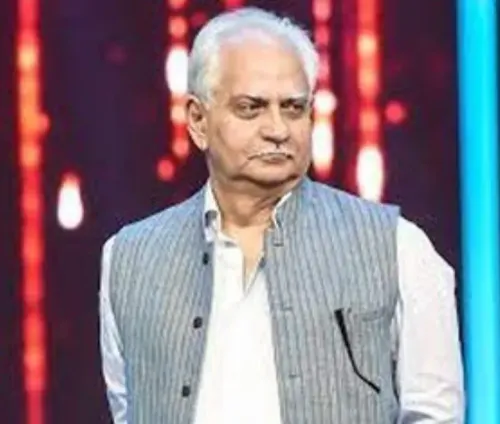
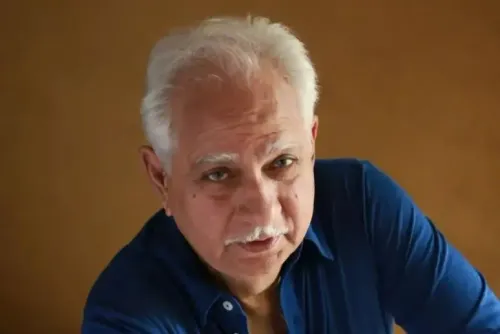
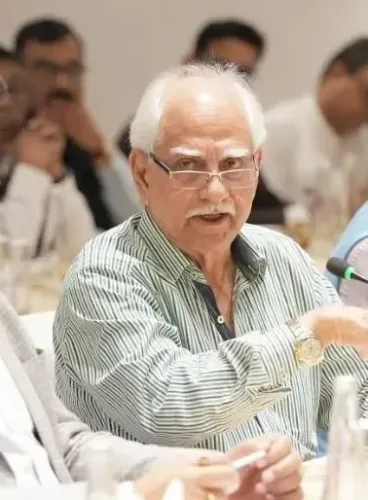
Mumbai, Jan 25 (NationPress) Legendary actress Hema Malini recently joined forces with filmmaker Ramesh Sippy at an event to launch the cover of Society Achievers, which features the iconic director. Accompanying him was his wife, actress Kiran Juneja.
As they unveiled the cover, the discussion turned to fond memories from a time when the art of filmmaking required not only immense physical stamina but also emotional sincerity and deep creative collaboration.
Hema Malini recounted how her relationship with Ramesh Sippy was founded on creative trust. During the casting for 'Sholay', known for its robust cast, he hesitated to approach her for a role, questioning whether it was a prudent career choice to be part of a film filled with such powerful characters instead of being the solo lead.
Yet, she placed her faith in his vision, responding with a confident “Yes.”
This pivotal choice, rooted in mutual respect and a commitment to storytelling over stardom, has since become a significant chapter in cinematic history. Their camaraderie reflects not only a professional partnership but also a profound artistic bond.
Ramesh Sippy stated, “The same applies to all our actors.”
He did express that the magic of 'Sholay' could never be replicated because its original characters and performers were truly unique.
However, Hema Malini countered lovingly, “Perhaps with new characters, new talent. And maybe you could be the one to helm that project.”
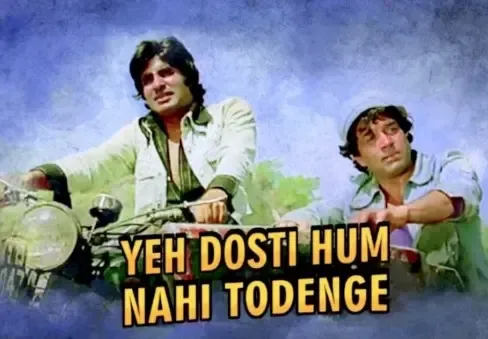
'Sholay' beautifully fused elements of Westerns, dacoity films, and buddy cinema, set in the fictional village of Ramgarh. The storyline revolves around two former criminals, Jai and Veeru, who are hired by retired police officer Thakur Baldev Singh to apprehend the notorious bandit Gabbar Singh. The film also featured Dharmendra, Amitabh Bachchan, Sanjeev Kumar, Jaya Bachchan, and Amjad Khan. Produced by G. P. Sippy, 'Sholay' was one of the most costly Indian films of its era.
Despite facing censorship hurdles, including alterations to its ending, the film initially received mixed reviews. However, it gradually ascended to fame through word of mouth and extended theatrical runs. Over time, it has achieved cult status, celebrated for its memorable dialogues, characters, and the iconic score by R. D. Burman. Its true significance lies in how it transformed commercial Hindi cinema rather than its initial critical reception.
Point of View
I believe that the reunion of Hema Malini and Ramesh Sippy is not only a nostalgic moment for fans of Indian cinema but also a reminder of the rich history that shapes our film industry. Their collaboration on 'Sholay' stands as a testament to the power of creativity and trust in storytelling, highlighting the importance of such partnerships in the evolution of cinema.
NationPress
7 Oct 2026
Frequently Asked Questions
What is the significance of 'Sholay' in Indian cinema?
Sholay is considered a landmark film that reshaped commercial Hindi cinema, blending various genres and introducing iconic characters and dialogues.
Who were the key figures involved in the making of 'Sholay'?
The film was directed by Ramesh Sippy and starred prominent actors like Dharmendra, Amitabh Bachchan, Sanjeev Kumar, and Hema Malini.
How did 'Sholay' achieve cult status?
Despite initial mixed reviews, its memorable dialogues, characters, and engaging music created a lasting impact, leading to its eventual cult status.
What role did Hema Malini play in 'Sholay'?
Hema Malini played the character of Basanti, a pivotal role that showcased her talent alongside a stellar cast.
What was the budget of 'Sholay'?
At the time of its release, Sholay was one of the most expensive Indian films, with a significant budget reflecting its ambitious production scale.