Should Hiroshima and Nagasaki Demand Japan Uphold Non-Nuclear Principles?
Synopsis
Hiroshima and Nagasaki's assemblies are calling upon the Japanese government to reaffirm its commitment to the Three Non-Nuclear Principles. This move arises amid concerns over potential revisions by the ruling party. With a rich history shadowed by atomic bombings, the cities demand that their voices be heard in national policy discussions regarding nuclear weapons.
Key Takeaways
Hiroshima and Nagasaki assemblies urge adherence to non-nuclear principles.
Ruling party's revision attempts have raised concerns.
The Three Non-Nuclear Principles are foundational to Japan's nuclear policy.
Historical context of atomic bombings remains crucial in discussions.
Public sentiment plays a significant role in policy-making.
Tokyo, Jan 10 (NationPress) The municipal assemblies of Hiroshima and Nagasaki have released statements urging the Japanese government to remain committed to the nation's Three Non-Nuclear Principles, according to a report from Kyodo News.
The assembly in Hiroshima unanimously approved its statement on Friday, expressing concerns about the ruling party's efforts to modify these non-nuclear principles. They emphatically urged the government to respect the sentiments of those from the cities affected by atomic bombings and to uphold the Three Non-Nuclear Principles, the report indicated.
Meanwhile, the Nagasaki City Assembly passed its statement on Thursday with a majority vote. It highlighted that successive Japanese governments have recognized the Three Non-Nuclear Principles as a fundamental national policy, asserting that the ruling party's proposed revision of these principles during the amendment of national security documents is entirely unacceptable.
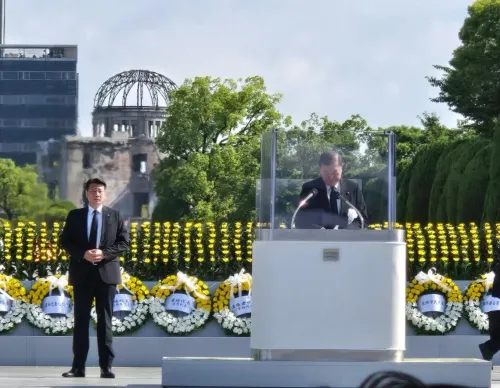
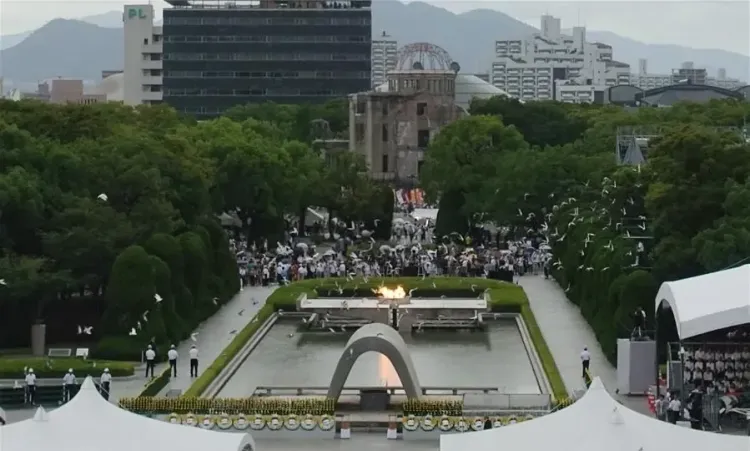
On August 6 and 9, 1945, the US military dropped atomic bombs on Hiroshima and Nagasaki, respectively, in an effort to compel Japan, which had engaged in acts of aggression, to surrender swiftly, as reported by Xinhua news agency.
The Three Non-Nuclear Principles—which state that Japan will not possess, produce, or permit the introduction of nuclear weapons on its territory—were first articulated by then Prime Minister Eisaku Sato in 1967 and formally adopted by the parliament in 1971, establishing them as Japan's fundamental nuclear policy. The National Security Strategy, one of the three documents ratified by the Cabinet in 2022, maintains that "the core policy of upholding the Three Non-Nuclear Principles will remain unchanged going forward."
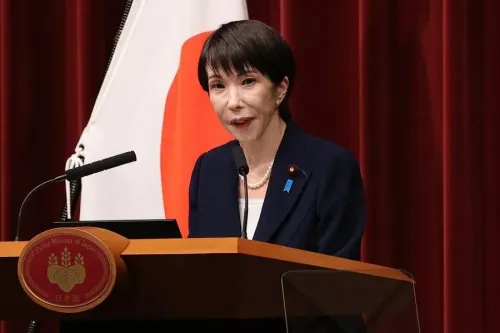
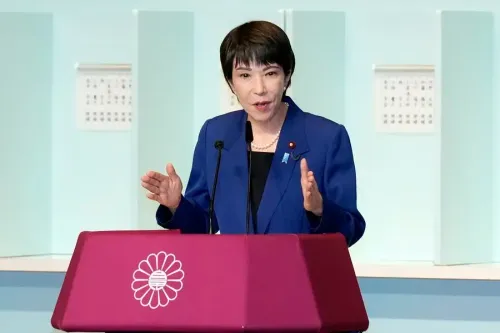
Earlier reports have indicated that Prime Minister Sanae Takaichi is contemplating a review of the third of the Three Non-Nuclear Principles, which prohibits the entry of nuclear weapons into Japan, as she updates related policy documents.
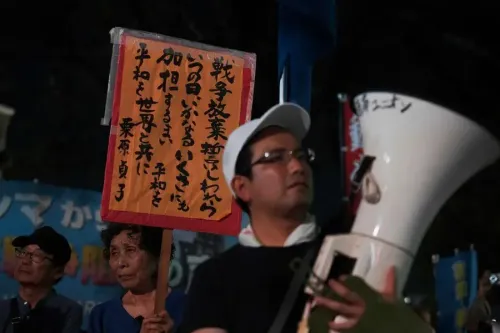
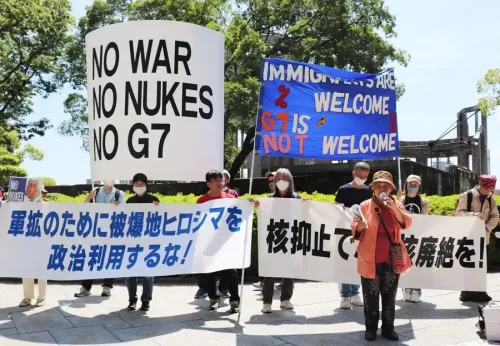
Additionally, on December 24, a Japanese civil organization presented a petition to the foreign ministry, urging the government to reaffirm its commitment to the Three Non-Nuclear Principles as a national policy.
Point of View
We recognize the importance of Hiroshima and Nagasaki's call for adherence to the Three Non-Nuclear Principles. This issue transcends local sentiment, reflecting a broader commitment to global peace and security. It is crucial for the government to consider the historical context and the feelings of those directly affected by nuclear warfare.
NationPress
1 Oct 2026
Frequently Asked Questions
What are the Three Non-Nuclear Principles?
The Three Non-Nuclear Principles state that Japan will not possess, produce, or allow the introduction of nuclear weapons into its territory.
Why are Hiroshima and Nagasaki concerned?
The assemblies of Hiroshima and Nagasaki are concerned about potential revisions to the Three Non-Nuclear Principles proposed by the ruling party, which they believe undermines national policy and the sentiments of atomic-bombed cities.
When were the Three Non-Nuclear Principles established?
The Three Non-Nuclear Principles were first declared by then Prime Minister Eisaku Sato in 1967 and formally adopted by the parliament in 1971.
What impact do the assemblies hope to achieve?
The assemblies aim to ensure that the Japanese government takes seriously the feelings of those in atomic-bombed cities and maintains its commitment to the Three Non-Nuclear Principles .
What is the significance of these principles today?
The Three Non-Nuclear Principles remain a cornerstone of Japan's nuclear policy, reflecting a commitment to peace and non-proliferation in a global context.