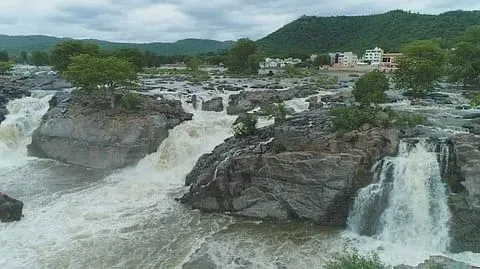
Hogenakkal reservoir inflows drop, Dharmapuri drinking water supply turns erratic
Synopsis
The Hogenakkal Drinking Water Supply and Fluorosis Mitigation Project — built to protect lakhs of residents from fluoride-contaminated groundwater — is under strain as reservoir inflows fall and last-mile delivery falters. Officials insist output holds at 145 million litres per day, but residents say water is arriving once every two to three days, and allegations of groundwater mixing threaten to undo the project's core public health purpose.
Key Takeaways
Residents in Dharmapuri district , Tamil Nadu , report drinking water arriving only once every two to three days as Hogenakkal reservoir inflows decline.
The Hogenakkal Drinking Water Supply and Fluorosis Mitigation Project serves Dharmapuri and Krishnagiri districts and supplies approximately 145 million litres per day , according to officials.
Parts of Dharmapuri municipality are being served by the Panchapalli water project as an alternative, which residents allege is of poorer quality and available only on alternate days.
Residents and public representatives allege groundwater is being mixed with treated Hogenakkal water at the local body level, undermining the fluorosis mitigation objective.
Officials maintain that production levels have not fallen and attribute distribution gaps to local body management.
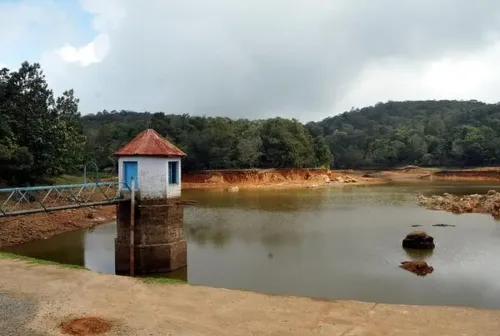
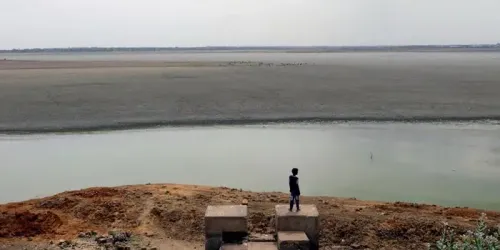
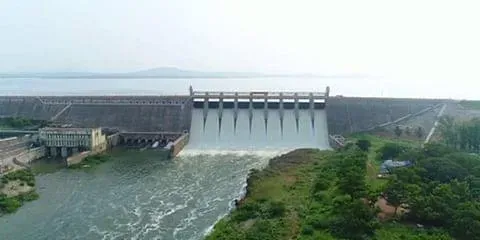
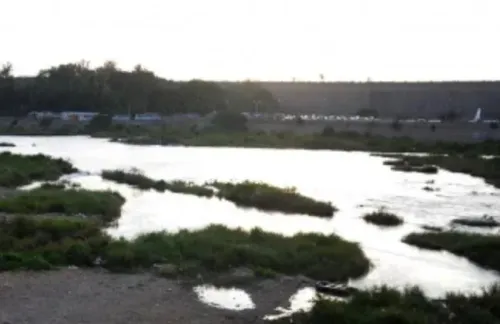
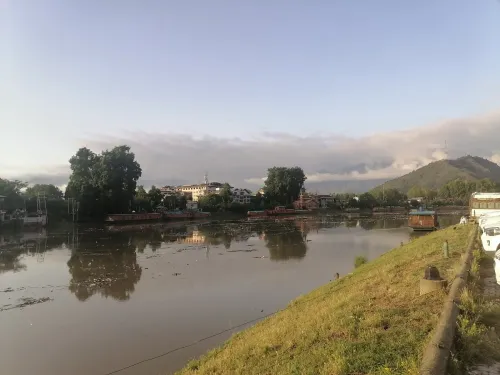
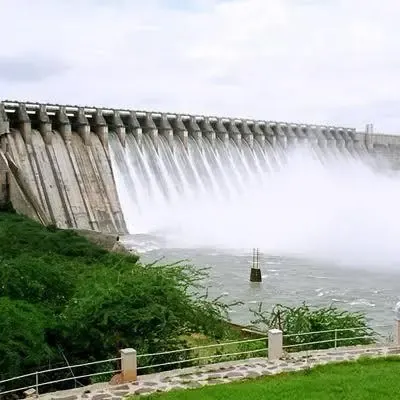
Residents across rural and urban areas of Dharmapuri district in Tamil Nadu are facing irregular drinking water supply as inflows to the Hogenakkal reservoir continue to fall, putting pressure on the Hogenakkal Drinking Water Supply and Fluorosis Mitigation Project — one of the state's largest protected water schemes. The disruption, reported as of 5 July, has left lakhs of residents in Dharmapuri and Krishnagiri districts struggling to secure adequate potable water for daily use.
How the Supply Has Changed on the Ground
Residents in rural parts of Dharmapuri say water that was earlier delivered daily is now arriving only once every two to three days in some localities, with the duration of each supply also reportedly cut short. The reduced frequency is making it difficult for households to store enough water to bridge the gaps.
Falling groundwater levels, attributed to inadequate rainfall this season, have further narrowed the alternatives available to villages in the district. With few substitute sources, the dependence on the Hogenakkal scheme has intensified even as its delivery becomes less predictable.
Panchapalli Supply Pressed Into Service, Quality Concerns Emerge
In parts of Dharmapuri municipality, residents say they have not been receiving Hogenakkal scheme water regularly and are instead being served through the Panchapalli water project. They allege the alternative supply is of comparatively poorer quality and is available only on alternate days, compounding the hardship for consumers who had come to rely on the fluorosis-safe Hogenakkal water.
Concerns have also surfaced over distribution practices at the local body level. Public representatives and residents allege that groundwater is being mixed with treated Hogenakkal water in several local bodies to meet demand — a practice they argue undermines the core purpose of the fluorosis mitigation project, which was designed specifically to serve areas historically affected by high fluoride concentrations in groundwater.
What Officials Say
Officials associated with the Hogenakkal water supply project have disputed claims of a reduction in output. According to officials, the project continues to deliver approximately 145 million litres per day to Dharmapuri and Krishnagiri districts despite the lower reservoir inflows. They said additional filtration measures have been introduced in response to changing water conditions, and that responsibility for equitable last-mile distribution rests with the respective local bodies.
The official position, in effect, draws a distinction between production at the project level and delivery at the consumer level — leaving the accountability gap squarely with local administration.
Background: Why Hogenakkal Matters
The Hogenakkal Drinking Water Supply and Fluorosis Mitigation Project was conceived to address a long-standing public health crisis — high fluoride levels in groundwater across Dharmapuri and Krishnagiri, which had caused skeletal fluorosis in affected communities. The scheme was designed to provide treated, safe water as the primary source, replacing reliance on contaminated groundwater. Any dilution of that supply — whether through reduced frequency or mixing with untreated groundwater — risks reversing the health gains the project was built to deliver.
What Residents and Officials Are Watching
With the monsoon yet to meaningfully replenish the Hogenakkal reservoir, the situation is unlikely to ease in the near term unless inflows improve. Local bodies face pressure to ensure equitable distribution without compromising water quality. How district administration and the project authorities coordinate on last-mile delivery in the coming weeks will determine whether the supply crisis deepens ahead of peak summer demand.
Point of View
Which is last-mile delivery and quality integrity. A project built to eliminate fluorosis risk is only as effective as the water reaching the tap, not the water leaving the treatment plant. The allegation of groundwater mixing is particularly serious: if verified, it would mean residents are being re-exposed to the very fluoride contamination the scheme was designed to eliminate. District administration needs to close the accountability gap between project output and consumer delivery before a public health setback compounds a supply crisis.
NationPress
3 Oct 2026
Frequently Asked Questions
What is the Hogenakkal Drinking Water Supply and Fluorosis Mitigation Project?
It is one of Tamil Nadu's largest protected drinking water schemes, designed to supply safe, treated water to Dharmapuri and Krishnagiri districts while addressing high fluoride levels in local groundwater that had historically caused fluorosis. The project delivers approximately 145 million litres per day across the two districts.
Why is drinking water supply irregular in Dharmapuri right now?
Inflows to the Hogenakkal reservoir have been declining, reportedly due to inadequate rainfall, reducing the volume of water available to the scheme. Officials say production has not dropped, but residents report receiving supply only once every two to three days in several localities.
What is the concern about groundwater mixing in Dharmapuri?
Residents and public representatives allege that local bodies are mixing untreated groundwater with treated Hogenakkal water to meet demand. This is a concern because the groundwater in the region contains high fluoride levels — the very problem the project was built to solve — meaning such mixing could re-expose residents to fluorosis risk.
Who is responsible for water distribution under the Hogenakkal project?
According to project officials, responsibility for equitable distribution to consumers rests with the respective local bodies in Dharmapuri and Krishnagiri districts. The project authority handles treatment and bulk supply, while local administration manages last-mile delivery.
What alternative water source is being used in Dharmapuri municipality?
Parts of Dharmapuri municipality are reportedly being supplied through the Panchapalli water project when Hogenakkal scheme water is unavailable. Residents allege this alternative supply is of comparatively poorer quality and is available only on alternate days.