Kodaikanal water crisis: Taps run dry every 7-8 days as reservoirs fail
Synopsis
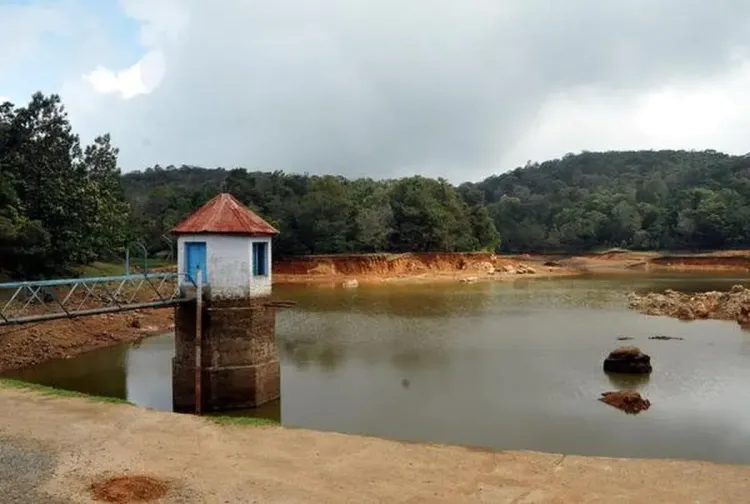
Kodaikanal's two main reservoirs — Observatory Lake and Keel Gundaru — have dried up, cutting tap water supply to once every seven to eight days for nearly 46,000 residents. With no new reservoir built since Independence and tourist footfall topping 20,000 on peak days, the hill town's water infrastructure is buckling under a crisis that is structural as much as seasonal.
Key Takeaways
Kodaikanal is facing a severe drinking water crisis as of 28 July , with municipal supply reaching households only once every 7 to 8 days .
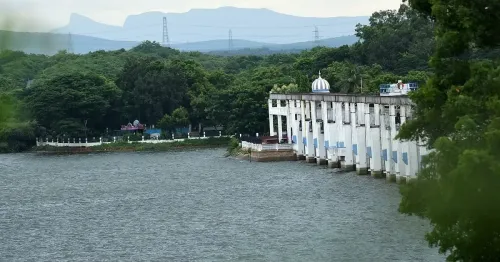
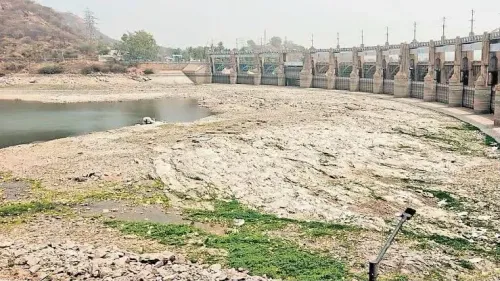
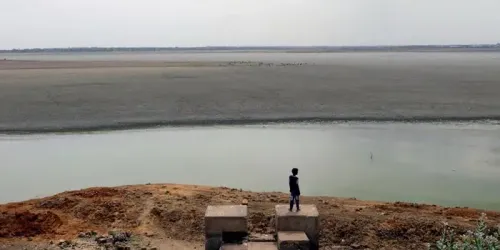
Observatory Lake and Keel Gundaru , the town's two principal sources, have dried up, severely disrupting pumping operations.
The town has a permanent population of nearly 46,000 across 24 wards , with tourist inflows exceeding 20,000 on peak days.
Private water tankers are being used by commercial establishments at a cost of around ₹4,000 per tanker .
No major new reservoir has been built in Kodaikanal since Independence , according to civic observers.
The municipality has dug a well near Fairy Falls and plans to drill four borewells near Gymkhana Road as immediate relief measures.
Kodaikanal, one of Tamil Nadu's most visited hill stations, is in the grip of a severe drinking water crisis as a prolonged dry spell and deficient rainfall have pushed the town's principal reservoirs to near-empty levels. Municipal water supply now reaches many of the town's 24 wards only once every seven to eight days, leaving residents scrambling to store whatever water they can.
Scale of the Crisis
The hill town is home to nearly 46,000 permanent residents, but its actual daily water demand runs far higher. On weekdays, Kodaikanal receives between 5,000 and 6,000 tourists; on weekends and public holidays, that number surges past 20,000. The combined load on an already depleted system has made a difficult situation critical.
Residents say they are hoarding water the moment the municipality releases supply, with no certainty about when the next round of distribution will arrive. Several commercial establishments have turned to private water tankers to keep operations running — at a cost of around ₹4,000 per tanker, a significant addition to daily overheads.
Why the Sources Have Run Dry
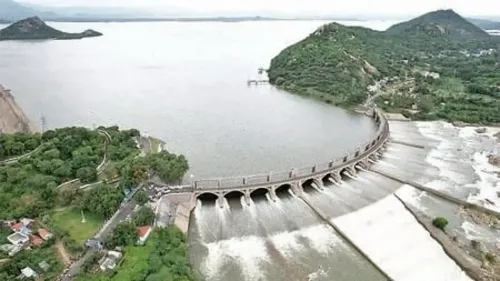
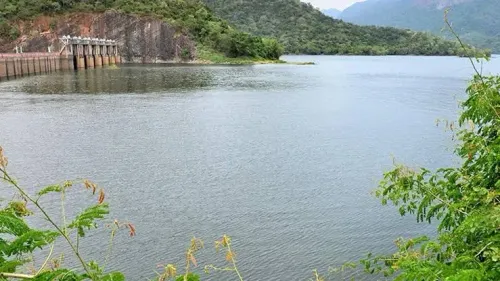
Observatory Lake and Keel Gundaru, the town's two principal water sources, have both dried up under the extended dry weather. With Keel Gundaru non-functional, pumping operations across the supply network have been severely disrupted.
Civic observers point to a structural gap: despite decades of population growth and a booming tourism industry, no major new water reservoir has been built in Kodaikanal since Independence. Additionally, only a small proportion of homes and commercial buildings have underground storage tanks, leaving most residents with no buffer during prolonged shortfalls.
Impact on Hospitality Sector
Hotels and restaurants — which depend on large daily water volumes — have been among the hardest hit. Representatives of the hospitality sector have attributed the shortage primarily to inadequate natural rainfall rather than administrative mismanagement, noting that the municipality has limited levers to pull when source reservoirs simply run dry. Municipal authorities themselves acknowledge that Kodaikanal depends almost entirely on seasonal rainfall for its drinking water supply.
Immediate Relief Measures
As a short-term intervention, the municipality has sunk a deep well near Fairy Falls to supplement supply. Plans are also in place to drill four additional borewells near Gymkhana Road. Officials have expressed hope that these steps will provide partial relief until substantial monsoon rainfall arrives to replenish the town's reservoirs.
Whether those rains materialise in time — and whether stopgap borewells can serve a town of this size — remains the critical question as Kodaikanal heads deeper into the dry season.
Point of View
But the deeper problem is decades of infrastructure neglect. A hill town that has not added a single major reservoir since Independence while its tourist economy expanded many times over was always one dry spell away from this moment. The municipality's immediate response — a well near Fairy Falls and four borewells — is a Band-Aid on a structural wound. The harder question, which neither officials nor the hospitality sector appear eager to answer, is whether Kodaikanal's current tourism volumes are compatible with its actual carrying capacity for water. Until that question is confronted, each dry season will produce the same crisis.
NationPress
28 Oct 2026
Frequently Asked Questions
Why is Kodaikanal facing a water crisis?
Kodaikanal is facing a water crisis because prolonged dry weather and poor rainfall have caused its two main water sources — Observatory Lake and Keel Gundaru — to dry up. The town depends almost entirely on seasonal rainfall for its drinking water supply, and no major new reservoir has been built since Independence despite significant population and tourism growth.
How often are Kodaikanal residents getting water supply?
Municipal water supply is currently reaching many households in Kodaikanal only once every seven to eight days. Residents are storing water whenever the municipality releases supply due to uncertainty about when the next distribution will occur.
How is the tourism industry affected by the Kodaikanal water shortage?
Hotels and restaurants, which require large daily volumes of water, have been significantly impacted. Many commercial establishments have resorted to purchasing private water tankers at around ₹4,000 per tanker to meet their daily needs, substantially increasing operating costs.
What is the municipality doing to address the Kodaikanal water crisis?
As an immediate measure, the municipality has dug a deep well near Fairy Falls to augment supply and has drawn up plans to drill four additional borewells near Gymkhana Road. Officials hope these steps will provide partial relief until monsoon rainfall replenishes the town's reservoirs.
How many people are affected by the Kodaikanal water crisis?
Nearly 46,000 permanent residents across 24 municipal wards are affected. The impact is compounded by a large floating tourist population — between 5,000 and 6,000 visitors on weekdays and over 20,000 on weekends and holidays — placing additional pressure on depleted water resources.