Why is Reservoir Storage in TN Dropping by 20%?
Synopsis
As Tamil Nadu braces for summer, alarming reports reveal a significant drop in reservoir storage, falling by 20% compared to last year. With the state facing a water crisis, officials stress the need for effective water management and prioritizing drinking water supply to navigate the upcoming dry spell.
Key Takeaways
Reservoir levels in Tamil Nadu have dropped by 20% compared to last year.
The combined storage is currently 146.373 tmcft .
No water will be released for irrigation until June .
Efforts are underway to desilt water bodies in preparation for the next monsoon.
Effective water management is crucial in the months ahead.
Chennai, Jan 27 (NationPress) Tamil Nadu is entering the summer season with a notable decline in water reserves due to a slight reduction in rainfall during the northeast monsoon. This situation has raised alarms regarding the availability of drinking water throughout the state.
According to the Water Resources Department (WRD), the combined storage in 90 major reservoirs is currently at 146.373 thousand million cubic feet (tmcft) as of Monday, which is nearly 20% lower than the previous year's figures for the same time period.
The existing storage represents 65.24% of the total reservoir capacity of 224.343 tmcft. In contrast, last year’s reservoirs held 176.560 tmcft, amounting to 78.72% of capacity during this timeframe.
Officials cite the deficit in rainfall in crucial catchment areas as the main reason for this shortfall during the northeast monsoon.
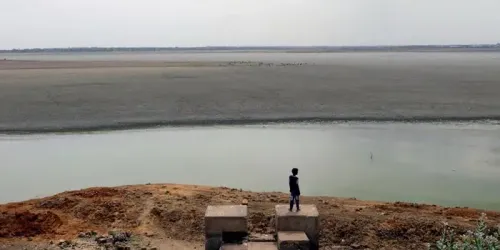
The predicament has escalated rapidly in recent weeks. On January 2, the combined storage was 168.418 tmcft, which accounted for approximately 75.07% of total capacity. Within just 23 days, the state has consumed nearly 10% of its stored water, showcasing both usage and evaporation losses in the midst of dry weather.
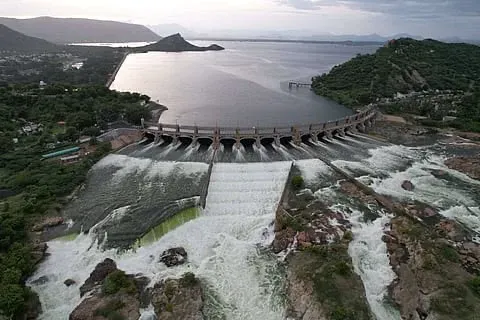
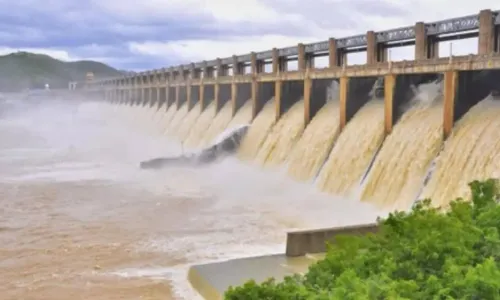
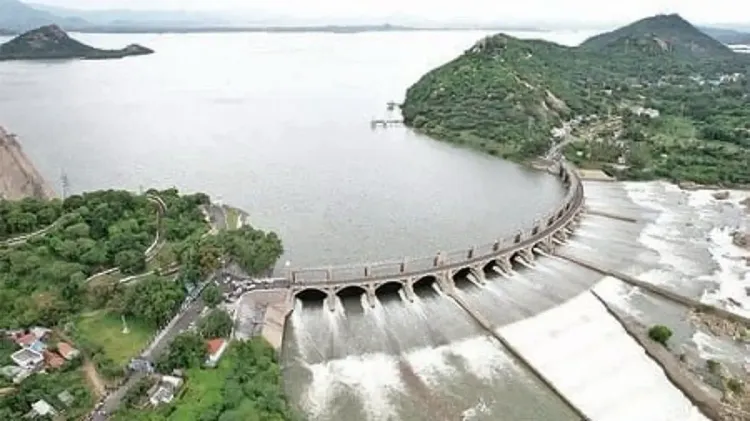
Notable reservoirs like Mettur and Bhavanisagar are experiencing a continuous drop in water levels due to insufficient inflows and lack of consistent rainfall.
A senior WRD official stated that the inflow into Mettur reservoir plummeted to 70 cusecs on Sunday, a stark contrast to 4,794 cusecs on December 1, 2025. “In the past two months, inflows have progressively decreased. As dry conditions are anticipated to persist, both water usage and evaporation losses are set to rise,” the official warned.
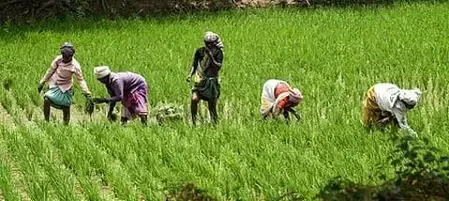
Given the current storage levels, WRD officials have indicated that no water will be allocated for irrigation purposes until June. They emphasized that the available reserves should be prioritized strictly for drinking water requirements to ensure sufficient supply during the peak summer months.
Another senior official remarked that the ongoing dry spell is being utilized productively in certain areas. “Desilting operations have started in various small water bodies, including lakes in the western and delta districts. This is an optimal time to expedite and finalize these efforts before the next monsoon arrives,” the official noted.
With reservoir levels declining at an accelerated pace, officials caution that meticulous water management and conservation will be essential in the upcoming months.
Point of View
It is crucial to highlight the urgent water crisis in Tamil Nadu. The significant reduction in reservoir storage underscores the need for immediate action and responsible water management. It is imperative to prioritize drinking water needs to ensure the well-being of citizens as we approach the peak summer months.
NationPress
1 Oct 2026
Frequently Asked Questions
What is the current reservoir storage level in Tamil Nadu?
As of now, the combined storage in Tamil Nadu's 90 major reservoirs stands at 146.373 tmcft, which is 20% lower than last year.
What are the reasons for the decline in water levels?
The primary reasons for the decline include below-normal rainfall in key catchment areas during the northeast monsoon.
Will water be released for irrigation in the near future?
WRD officials have stated that no water will be released for irrigation purposes until June, prioritizing reserves for drinking water.
How are officials addressing the water crisis?
Officials are focusing on meticulous water management and have started desilting operations in small water bodies to prepare for the next monsoon.
What is the predicted impact of the current dry spell?
The ongoing dry spell is expected to increase water usage and evaporation losses, making careful management essential.