Tamil Nadu dams at 34% capacity; drinking water crisis looms ahead of monsoon
Synopsis
Tamil Nadu's 90 dams are barely a third full, with 63 reservoirs critically low and silt buildup limiting recovery even when rains arrive. El Niño-driven heat is draining what little remains — and the entire state's drinking water and farm supply now hinges on how much the northeast monsoon delivers in the weeks ahead.
Key Takeaways
Tamil Nadu's 90 dams hold just 76.4 tmcft — about 34% of their combined 224 tmcft capacity as of 1 October 2026 .
63 reservoirs are below 25% capacity; storage in 17 dams is around 17% .
Persistent heat, reportedly worsened by El Niño , has accelerated depletion despite summer ending.
Silt and sediment buildup in inadequately desilted reservoirs limits how much fresh rainfall can actually be stored.
Agriculture, drinking water supply, and hydroelectric generation across multiple districts face supply risk if rainfall is insufficient.
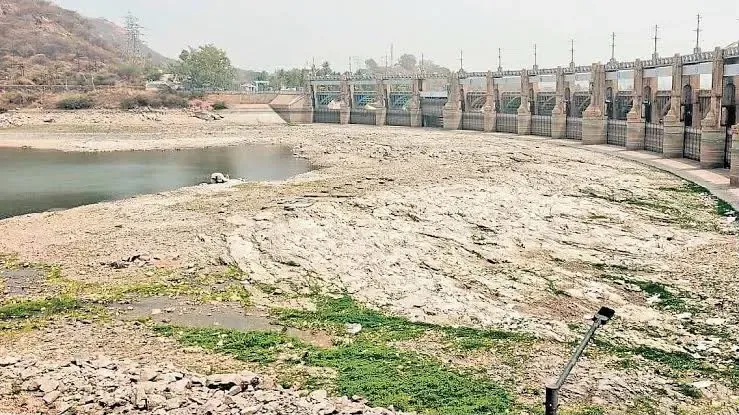
Tamil Nadu's 90 dams are holding just 76.4 tmcft of water — roughly 34 per cent of their combined capacity of 224 tmcft — as of 1 October 2026, raising urgent concerns over drinking water and irrigation supplies ahead of the northeast monsoon. With 63 reservoirs recording storage levels below 25 per cent, the state's Water Resources Department is now heavily dependent on incoming rainfall to avert a deeper crisis.
Scale of the Shortfall
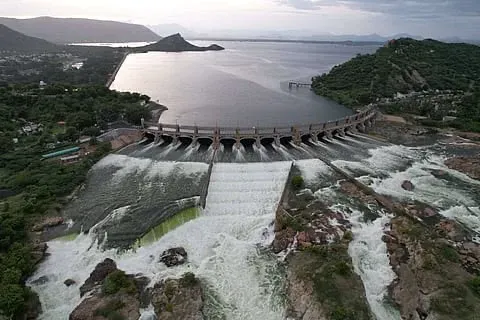
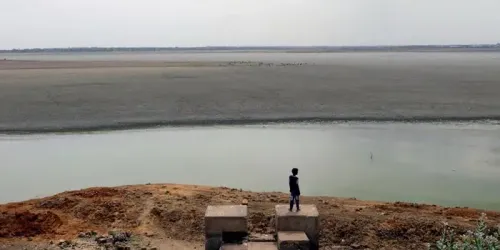
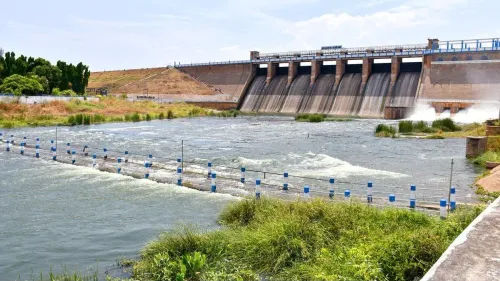
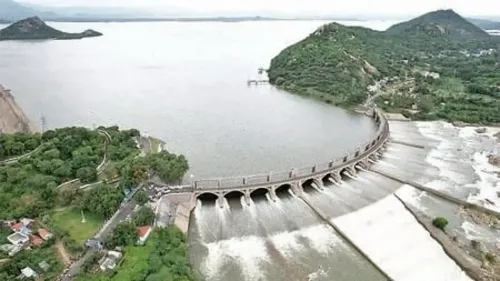
Of the 90 dams monitored by the Water Resources Department, 63 are severely depleted — some with barely any usable water left, exposing accumulated mud and silt at their beds. Storage in 17 of these dams is reported to be around just 17 per cent of capacity. The reservoirs together support agriculture, drinking water supply, and hydroelectric generation across multiple districts, with many located in the Western Ghats, where they also sustain wildlife and bird populations.
El Niño and Persistent Heat Compound the Crisis
Although summer has technically ended, several districts continue to experience intense heat, reportedly linked to the influence of El Niño. The prolonged heat has accelerated evaporation and elevated demand, adding to the pressure on already strained storage levels. Officials from the Water Resources Department and the drinking water board are awaiting the northeast monsoon to replenish reservoirs and ease supply constraints in the coming months.
Silt Buildup Limits Recovery Potential
A structural challenge complicating relief efforts is the accumulation of sediment and waste in reservoirs that have not been adequately desilted. These deposits reduce effective storage capacity, meaning that even a significant rainfall event may not translate into proportional gains in usable water. Water authorities have flagged that the state's recovery will depend not only on how much rain falls, but on how much the silted reservoirs can actually capture and retain.
Impact on Farming and Households
Reduced dam storage directly threatens agricultural communities that depend on scheduled releases for irrigation. If conditions do not improve before the northeast monsoon peaks, water availability could become increasingly difficult to manage across several affected districts. Drinking water boards are reported to be monitoring the situation closely, with contingency planning under way for areas most at risk.
The coming northeast monsoon season will be critical — not just in replenishing storage, but in determining how well Tamil Nadu's water infrastructure can absorb the inflows given existing silt constraints.
Point of View
Fixable problem that successive administrations have deferred. When rains do arrive, the state may find its dams unable to capture the full benefit of even a good monsoon. The El Niño angle provides political cover, but the desilting backlog does not. The real accountability question is not whether the northeast monsoon will arrive, but why the state's infrastructure is structurally unprepared to make full use of it when it does.
NationPress
1 Oct 2026
Frequently Asked Questions
How much water is stored in Tamil Nadu's dams currently?
As of 1 October 2026, Tamil Nadu's 90 dams hold approximately 76.4 tmcft of water, which is about 34 per cent of their combined capacity of 224 tmcft. Of these, 63 reservoirs have storage levels below 25 per cent.
Why are Tamil Nadu's reservoirs so low?
The low storage is attributed to persistent heat linked to El Niño, which has accelerated depletion, combined with insufficient rainfall replenishment. Inadequate desilting of reservoirs has also reduced effective storage capacity over time.
Which districts are most affected by the water shortage?
Multiple districts across Tamil Nadu are at risk, particularly those dependent on dam releases for irrigation and drinking water. The worst-affected reservoirs include those where storage has dropped to around 17 per cent or lower, some with exposed mud and silt beds.
Will the northeast monsoon solve the water crisis?
The northeast monsoon is expected to bring significant relief, but recovery will depend on both the volume of rainfall and the capacity of silted reservoirs to capture and retain fresh inflows. Silt buildup remains a structural constraint that limits how much water can be stored even after good rains.
How does silt affect dam storage capacity in Tamil Nadu?
Sediment and waste accumulating in reservoirs that have not been adequately desilted reduce the effective volume available for water storage. This means that even when rainfall improves, the amount of usable water the dams can hold may be less than their rated capacity.