Dharmapuri dams at 12% capacity, 34,000 acres at risk ahead of sowing
Synopsis
Dharmapuri's seven major dams are sitting at just 12 per cent capacity — a direct consequence of last year's failed northeast monsoon — and nearly 34,000 acres of farmland now hang in the balance. With the southwest monsoon yet to deliver, farmers and officials alike are watching the skies, knowing a second consecutive underperformance could push the district toward a drought declaration.
Key Takeaways
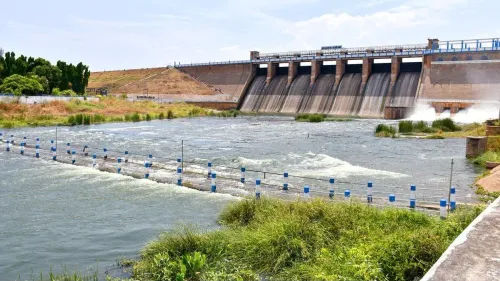
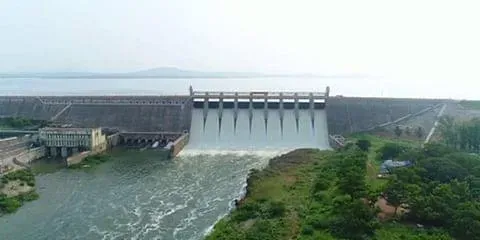
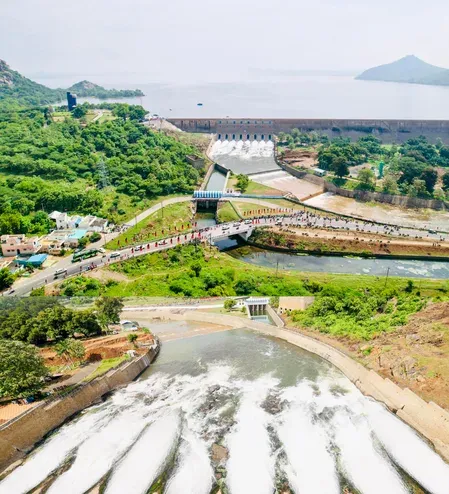
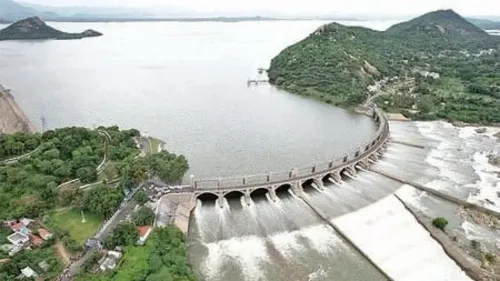
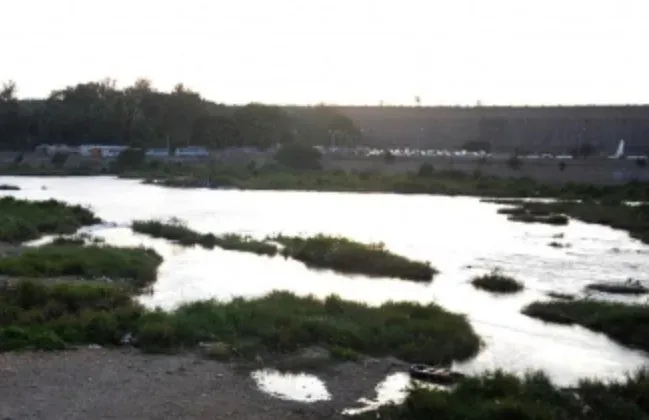
Dharmapuri's seven major dams hold only 12 per cent of their combined 4,267 mcft capacity.
Nearly 33,948 acres of agricultural land face irrigation risk in the upcoming sowing season.
The district recorded just 690 mm of rainfall last year against an annual average of 942 mm .
The failure of last year's northeast monsoon is cited as the primary cause of depleted reservoir levels.
Water Resources Department officials expect the advancing southwest monsoon to improve storage levels.
Stakeholders warn that a drought declaration may be necessary if the southwest monsoon also underperforms.
Farmers in Tamil Nadu's Dharmapuri district are facing a deepening water crisis as the combined storage across the district's major dams has plummeted to just 12 per cent of total capacity, raising serious concerns about irrigation availability for nearly 34,000 acres of agricultural land in the upcoming sowing season. The situation, officials and farmers agree, hinges almost entirely on the performance of the advancing southwest monsoon.
How Bad Is the Storage Deficit
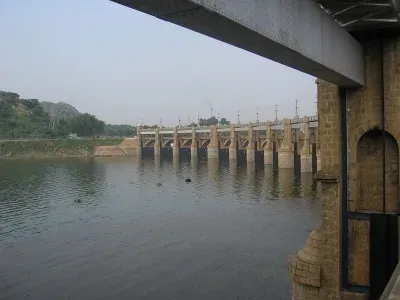
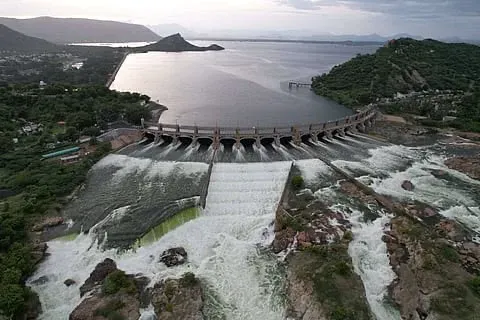
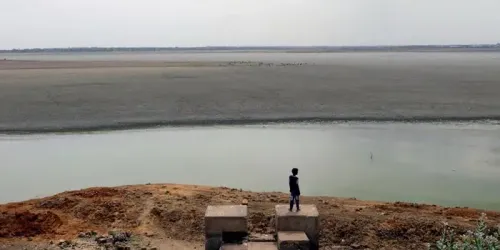
According to available data, the seven major dams in Dharmapuri currently hold only around 12 per cent of their combined storage capacity of 4,267 million cubic feet (mcft). These reservoirs — excluding the smaller Echambadi dam — collectively provide irrigation support to 33,948 acres of farmland. Water levels have fallen sharply following the failure of last year's northeast monsoon, which is a primary recharge source for reservoirs across the region.
The district recorded only about 690 mm of rainfall last year against its average annual figure of 942 mm — a significant shortfall that directly drained reservoir inflows and left storage critically depleted heading into the current agricultural cycle.
Why Farmers Are Alarmed
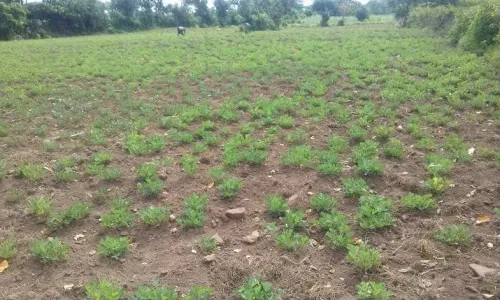
Agriculture is the backbone of Dharmapuri's economy, with cultivation spread across nearly two lakh hectares. Farming activity is heavily dependent on seasonal rainfall, and with water reserves at critically low levels, cultivators fear that irrigation supplies will be inadequate once sowing begins. Intermittent summer showers in recent weeks have offered marginal relief but have not made a meaningful dent in reservoir levels.
This comes amid a broader pattern of erratic rainfall in the district, with seasonal deficits becoming a recurring concern for farmers who have little buffer storage to fall back on when monsoons underperform. Notably, the northeast monsoon's failure last year compounded the impact of an already below-normal southwest monsoon, leaving dams with little time to recover before the next cultivation cycle.
What Officials Have Said
Water Resources Department officials have sought to reassure farmers, expressing confidence that the advancing southwest monsoon will bring sufficient rainfall to improve dam storage levels in the coming weeks. They attributed the current shortfall primarily to the northeast monsoon's failure and indicated that reservoir inflows are expected to pick up as monsoon activity intensifies.
Drought Relief on the Table
Agricultural stakeholders have warned that if the southwest monsoon also underperforms, authorities may need to consider declaring Dharmapuri drought-prone and extending relief measures to affected farmers. The prospect of a second consecutive below-normal monsoon year would place severe stress on the district's farming community, which has already absorbed the losses from last year's rainfall deficit.
Farmers are closely tracking the monsoon's northward progression, with the next few weeks considered critical for determining whether the sowing season can proceed at anything close to normal scale.
Point of View
Groundwater management protocols, or pre-positioned drought relief. If the southwest monsoon also disappoints, the district will face both an agricultural crisis and an administrative one — and the window to prepare is closing fast.
NationPress
19 Sept 2026
Frequently Asked Questions
Why are Dharmapuri farmers worried about the upcoming sowing season?
Dharmapuri's seven major dams are at just 12 per cent of their combined 4,267 mcft storage capacity, leaving insufficient water reserves to irrigate nearly 34,000 acres of farmland during the sowing season. The shortfall stems from last year's failed northeast monsoon, which is the primary recharge source for the district's reservoirs.
How much rainfall did Dharmapuri receive last year compared to normal?
The district recorded approximately 690 mm of rainfall last year against its average annual figure of 942 mm — a significant deficit that directly reduced reservoir inflows and depleted dam storage heading into 2025.
What are officials saying about the water situation in Dharmapuri?
Water Resources Department officials have expressed confidence that the advancing southwest monsoon will improve dam storage levels in the coming weeks. They attribute the current crisis primarily to the northeast monsoon's failure and expect reservoir inflows to pick up as monsoon activity intensifies.
Could Dharmapuri be declared drought-prone?
Agricultural stakeholders have indicated that if the southwest monsoon also underperforms, authorities may need to declare Dharmapuri drought-prone and extend relief measures to affected farmers. No such declaration has been made yet.
How much agricultural land does Dharmapuri have and how dependent is it on rainfall?
Cultivation in Dharmapuri spans nearly two lakh hectares, making agriculture the backbone of the district's economy. Farming activity is heavily dependent on seasonal rainfall from both the southwest and northeast monsoons, with limited buffer from groundwater or alternative irrigation sources.