J&K security: Home Secretary Govind Mohan chairs Jammu review
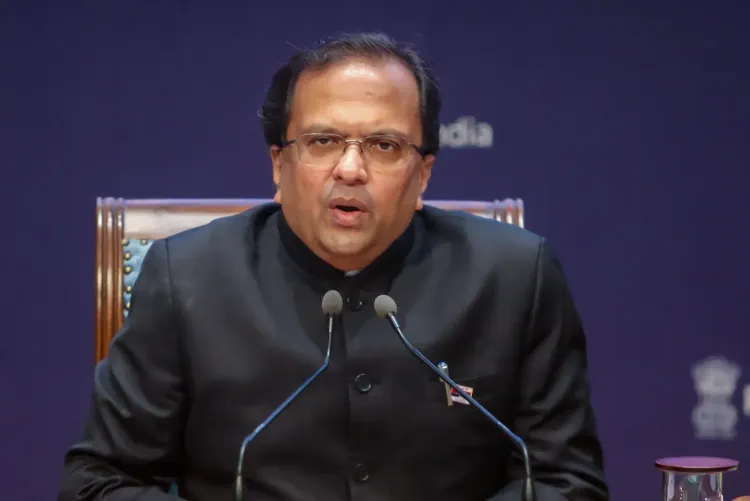
Synopsis
Foreign terrorists in J&K have reportedly dropped from 91 in 2024 to 65. Even so, the Centre's top security officials met in Jammu to shift the fight beyond the gun. Home Secretary Govind Mohan ordered a no-compromise push against the wider terror ecosystem, including over-ground workers and sympathisers.
Key Takeaways
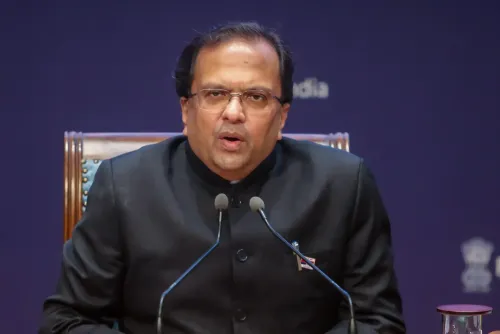
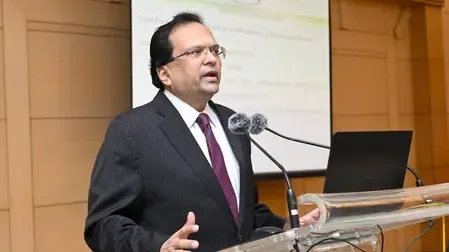
Union Home Secretary Govind Mohan reviewed J&K security at a high-level meeting in Jammu on 26 November 2026 .
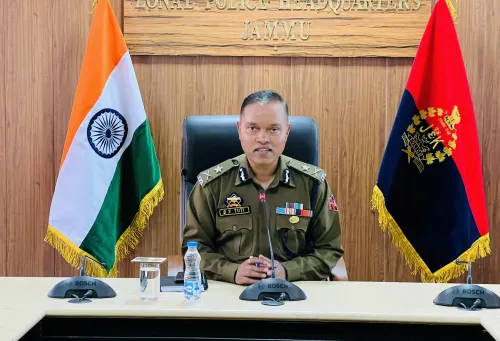
IB Director Mahesh Dixit , CAPF chiefs, J&K Police, Army officers and intelligence officials attended the meeting at the J&K Police headquarters .
Foreign terrorists in J&K have reportedly fallen from 91 in 2024 to 65 : 35 linked to LeT, 25 to JeM and the rest to other outfits.
The review followed the killing of two SPOs in Kishtwar's Dachhan area and the Kulgam encounter that killed LeT operative Mohammad Lateef Bhat .
Mohan stressed targeting the full terror ecosystem, including Over Ground Workers and sympathisers.
Union Home Secretary Govind Mohan on Thursday, 26 November 2026, reviewed the security situation in Jammu and Kashmir at a high-level meeting in Jammu. The review focused on counter-terrorism operations, infiltration attempts and foreign terrorists active in the region's hills and forests. It comes after a string of recent terror-related incidents in the Union Territory.
Mohan and Director of the Intelligence Bureau (DIB) Mahesh Dixit arrived in Jammu early on Thursday. They drove directly to the J&K Police headquarters, where the meeting took place.
Who Attended the Meeting
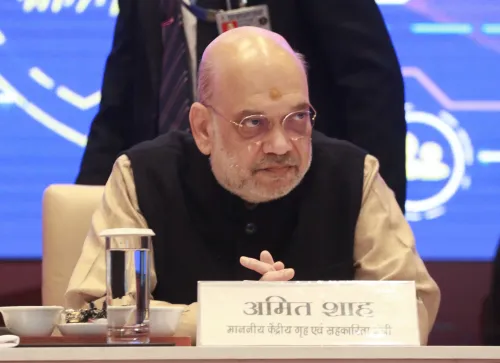
The meeting brought together senior officials of the Ministry of Home Affairs (MHA), DIB Mahesh Dixit, and the chiefs of the Central Armed Police Forces (CAPFs). Senior officers of the Jammu and Kashmir Police, Army officers and representatives of intelligence and security agencies were also present.
Having civil, police, paramilitary, Army and intelligence leadership in one room points to the Centre's push for tighter coordination across agencies. Officials have long identified gaps in that coordination as a weak point in operations in difficult terrain.
Key Focus Areas
The discussion covered several areas:
- ongoing counter-terrorism operations
- infiltration attempts
- intelligence coordination
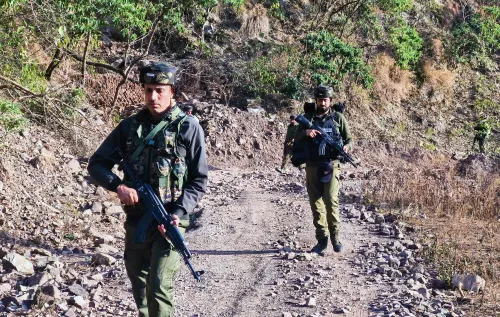
- eliminating foreign terrorists operating in the mountainous and forest areas of the Jammu region
- measures to stop local youth from joining terrorist groups
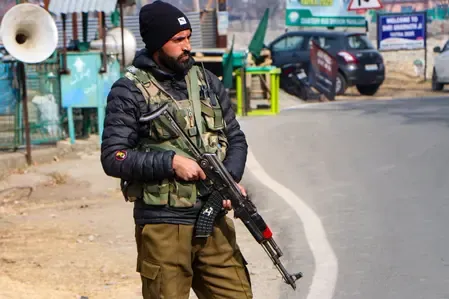
The Jammu region has seen militant activity shift towards its forested belts. These areas give armed groups cover and make sustained security operations harder.
Recent Incidents Behind the Review
The meeting followed recent terror-related incidents. These included the killing of two special police officers (SPOs) in the Dachhan area of Kishtwar district.
The review also came after a recent encounter in Kulgam in which Lashkar-e-Taiba operative Mohammad Lateef Bhat was killed. Together, the two incidents show that threats remain active in both the Jammu and Kashmir divisions.
Foreign Terrorists in the Region
Officials said the meeting discussed reports that around 65 foreign terrorists are active in the Union Territory. Most of them reportedly belong to the Lashkar-e-Taiba (LeT) and Jaish-e-Muhammad (JeM).
According to the same reports, the number has fallen from 91 in 2024 to 65 now. Of these, 35 are reportedly linked to LeT and 25 to JeM, with the rest belonging to other terror outfits.
The decline suggests sustained pressure on these groups. Still, the presence of dozens of foreign fighters, most of them from two Pakistan-based outfits, remains a serious security challenge.
Targeting the Wider Terror Network
Mohan stressed going after the entire ecosystem of terrorism in J&K. In his view, this covers armed terrorists as well as their Over Ground Workers (OGWs) and sympathisers.
Sources said the terror network is not kept alive by guns alone, so the environment in which terrorists operate also has to be targeted. According to the same sources, the Home Secretary gave clear directions that there should be no compromise on a coordinated focus on this aspect.
Security agencies are expected to step up action against support networks and pursue foreign terrorists in the Jammu region's forests in the coming weeks.
Point of View
But the more telling signal is where the fight now sits. Militancy has moved into the forested Jammu belt, an area long treated as stable, while public attention stayed on the Kashmir Valley. The Home Secretary's emphasis on over-ground workers and sympathisers is an admission that operations focused on kill counts have hit their limits. Choking the support network will need sustained intelligence work and local trust, not just more boots in the forest.
NationPress
26 Nov 2026
Frequently Asked Questions
Why did the Union Home Secretary hold a security meeting in Jammu?
Govind Mohan chaired the meeting on 26 November 2026 to review security in J&K after recent terror incidents. These included the killing of two SPOs in Kishtwar and an encounter in Kulgam.
How many foreign terrorists are active in Jammu and Kashmir?
Reports discussed at the meeting put the number at around 65, down from 91 in 2024. Of these, 35 are reportedly linked to Lashkar-e-Taiba, 25 to Jaish-e-Muhammad, and the rest to other outfits.
Who attended the J&K security review meeting?
IB Director Mahesh Dixit, senior MHA officials, CAPF chiefs, senior J&K Police officers, Army officers and intelligence agency representatives attended. The meeting was held at the J&K Police headquarters in Jammu.
What does targeting the terror ecosystem mean?
It means acting against Over Ground Workers and sympathisers who sustain terrorists, not just the armed militants themselves. The Home Secretary reportedly directed that there be no compromise on this coordinated approach.
What recent incidents preceded the review?
Two special police officers were killed in the Dachhan area of Kishtwar district. Separately, Lashkar-e-Taiba operative Mohammad Lateef Bhat was killed in a recent encounter in Kulgam.