Yashwant Varma cash case: House panel finds judge failed to explain ₹500 notes
Synopsis
A Lok Sabha committee has formally held former Delhi High Court judge Yashwant Varma responsible for unexplained ₹500 notes found at his official New Delhi residence after a March 2025 fire — but stopped short of saying he personally removed the cash. With Varma already resigned and the removal process rendered infructuous, the report stands as the most detailed official indictment of a sitting judge in recent Indian parliamentary history.
Key Takeaways
A Lok Sabha parliamentary panel constituted by Speaker Om Birla tabled its report on 12 August 2025 , holding former judge Yashwant Varma responsible for unexplained cash at his residence.
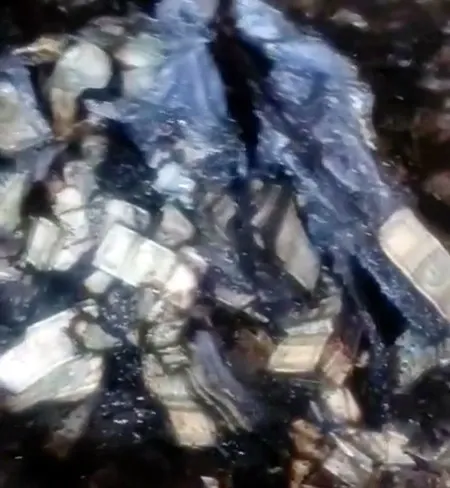
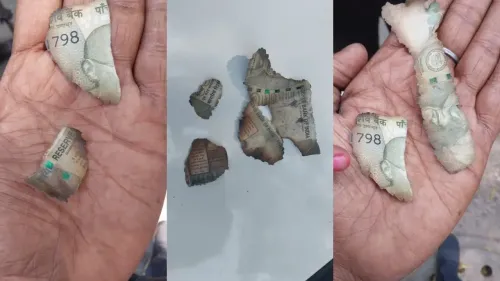
Large quantities of partially burnt ₹500 notes were found in a storeroom at 30, Tughlak Crescent, New Delhi after a fire on 14 March 2025 .
The committee found Justice Varma's written explanation of 22 March 2025 unsatisfactory, citing lack of candour and transparency.
Key evidence was reportedly neither secured nor preserved; the storeroom was altered before it could be lawfully sealed.
An earlier in-house panel under then Chief Justice Sanjiv Khanna had found Varma exercised 'active or tacit control' over the storeroom.
Justice Varma resigned before Parliament could complete removal proceedings, rendering the process infructuous.
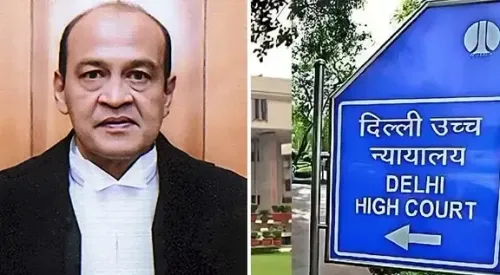
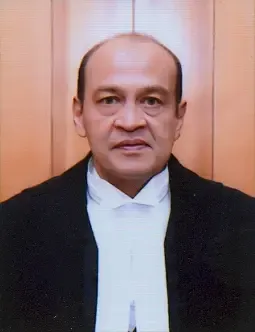
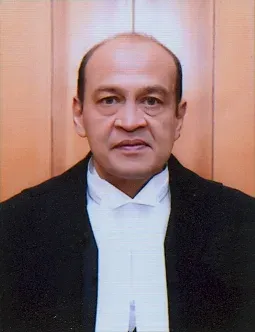
A parliamentary committee constituted by Lok Sabha Speaker Om Birla has held former Delhi High Court judge Yashwant Varma responsible for the discovery of large quantities of unexplained ₹500 currency notes at his official residence in New Delhi, concluding that he failed to provide a satisfactory explanation for the cash. The panel's report was tabled in Parliament on Wednesday, 12 August 2025.
What the Panel Found
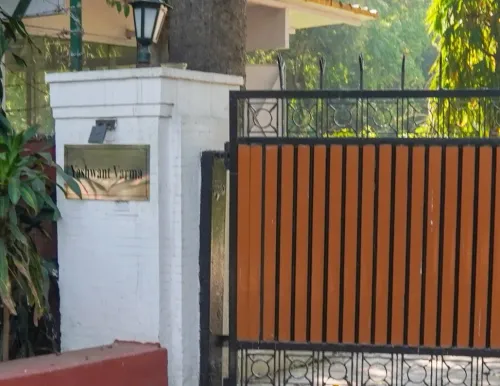
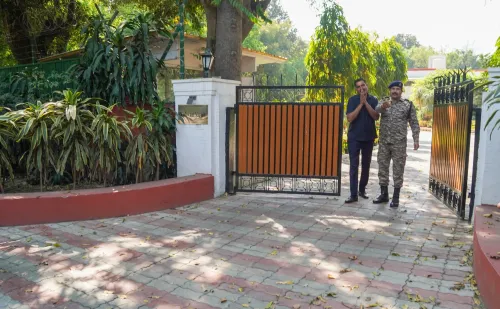
According to the committee's report, substantial amounts of partially burnt ₹500 notes were discovered in a storeroom at Justice Varma's official residence at 30, Tughlak Crescent, New Delhi. The controversy originated on the night of 14 March 2025, when firefighters responding to a blaze at the property allegedly found the cash while tackling the fire.
The panel concluded that Justice Varma could not provide a credible explanation regarding the source, ownership, or presence of the currency notes. His written explanation submitted on 22 March 2025 was described by the committee as unsatisfactory, lacking candour, transparency, and institutional accountability.
Evidence Handling Concerns
The committee raised serious concerns over the handling of the subsequent investigation. It observed that key evidence was neither properly secured nor preserved, and that the condition of the storeroom was altered before it could be lawfully sealed and examined. The report further pointed to the unexplained disappearance or unavailability of the recovered currency notes, attributing the loss of material evidence to failures in preserving the scene and to the disturbance of the storeroom by personnel attached to the residence.
Notably, the committee stopped short of a complete indictment, stating it found no evidence to establish that Justice Varma personally removed the cash.
Earlier In-House Inquiry
Before the parliamentary committee was constituted, an in-house panel set up by then Chief Justice of India Sanjiv Khanna had already concluded that Justice Varma exercised 'active or tacit control' over the storeroom where the cash was found. That finding set the stage for Parliament to initiate removal proceedings against the sitting judge.
Transfer, Resignation, and What Followed
Following the controversy, Justice Varma — who was serving in the Delhi High Court at the time — was transferred back to his parent court, the Allahabad High Court. Parliament subsequently initiated proceedings for his removal. However, after Justice Varma resigned from office, the removal process effectively became infructuous, leaving the parliamentary inquiry as the primary formal record of accountability in the matter.
The committee's report comprises two volumes and includes oral testimonies as well as documentary evidence gathered during the inquiry. With the report now tabled, pressure may mount on judicial oversight bodies to address the systemic gaps in evidence preservation that the panel flagged.
Point of View
Which rendered removal proceedings infructuous, exposes a structural flaw: India's constitutional mechanism for removing judges can be neutralised by the very person it targets. That is the accountability gap mainstream coverage is underplaying.
NationPress
26 Sept 2026
Frequently Asked Questions
What did the parliamentary panel find in the Yashwant Varma cash case?
The Lok Sabha committee concluded that former Delhi High Court judge Yashwant Varma failed to provide a credible explanation for large quantities of ₹500 notes found in a storeroom at his official New Delhi residence. The panel described his written response as unsatisfactory and lacking transparency, though it found no evidence that he personally removed the cash.
How was the cash discovered at Justice Varma's residence?
Firefighters responding to a blaze at Justice Varma's official residence at 30, Tughlak Crescent, New Delhi on the night of 14 March 2025 allegedly found substantial amounts of partially burnt ₹500 currency notes in a storeroom. The discovery triggered an inquiry by an in-house judicial panel and, subsequently, a parliamentary committee.
Why were removal proceedings against Justice Varma dropped?
Parliament had initiated proceedings for Justice Varma's removal following the cash discovery and the in-house panel's findings. However, after Varma resigned from judicial office, the removal process effectively became infructuous under constitutional provisions, as there was no longer a sitting judge to remove.
What concerns did the panel raise about the investigation?
The committee flagged serious lapses in evidence handling — specifically that the storeroom was altered before it could be lawfully sealed, that key evidence was not properly secured, and that the recovered currency notes subsequently disappeared or became unavailable. It attributed these failures to personnel attached to the residence.
What was the earlier in-house inquiry's finding on Yashwant Varma?
An in-house panel constituted by then Chief Justice of India Sanjiv Khanna had concluded that Justice Varma exercised 'active or tacit control' over the storeroom where the cash was found. That finding preceded the parliamentary committee's inquiry and informed the decision to initiate removal proceedings in Parliament.