Bangladesh's ICT under fire: HRW flags fair trial failures in Hasina case
Synopsis
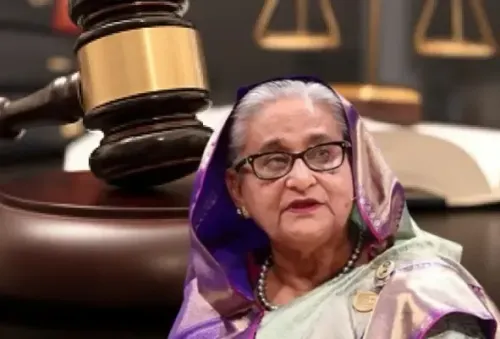
Human Rights Watch has called out Bangladesh's International Crimes Tribunal for systemic fair trial failures — just days after prosecutors charged Sheikh Hasina and 40 others over the 2013 Shapla Chattar crackdown. With two journalists also named and duplicate witness statements flagged, the tribunal's credibility is under serious international pressure.
Key Takeaways
Human Rights Watch on 29 July 2025 accused Bangladesh's International Crimes Tribunal (ICT) of failing to meet international fair trial standards.
ICT prosecutors on Monday filed formal charges against former Prime Minister Sheikh Hasina and 40 others over the 2013 Hefazat-e-Islam crackdown at Shapla Chattar, Dhaka .
Two journalists were among 41 individuals named on 27 July , charged with crimes against humanity and genocide.
HRW flagged arrests without evidential threshold, months-long detention without written reasons, and restricted cross-examination of witnesses.
Amendments made by the Muhammad Yunus -led interim government fell short of international due process standards, according to HRW.
The BNP government under Prime Minister Tarique Rahman , in office since February 2026 , has not introduced further reforms to the tribunal's legal framework.
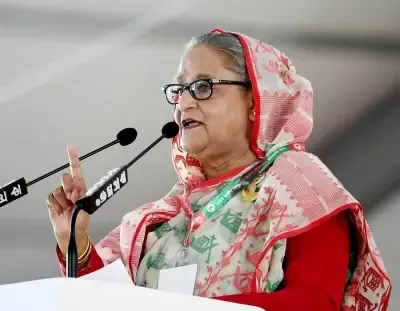
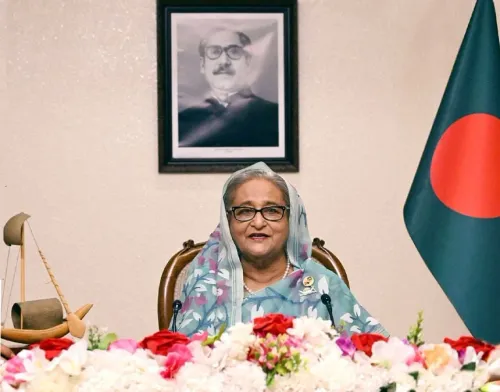
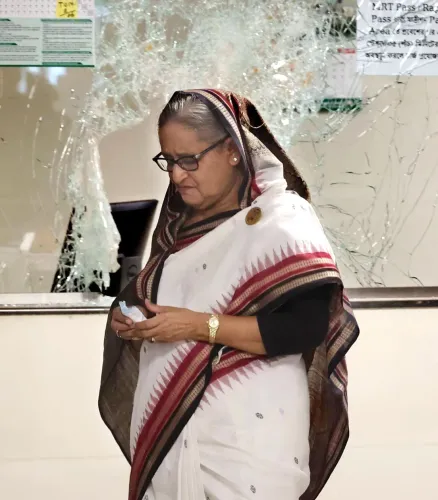
Human Rights Watch (HRW), a leading US-based advocacy organisation, on Wednesday, 29 July 2025, accused Bangladesh authorities of systematically failing to meet international legal standards at the country's International Crimes Tribunal (ICT). The warning came days after ICT prosecutors filed formal charges against former Bangladesh Prime Minister Sheikh Hasina and 40 others in a crimes against humanity case connected to the 2013 crackdown on a Hefazat-e-Islam rally at Shapla Chattar, Dhaka.
What HRW Alleged
Meenakshi Ganguly, Deputy Asia Director at HRW, said that while accountability for abuses committed under the Hasina government was necessary, many prosecutions were falling short. 'Those responsible for the many abuses committed under the Sheikh Hasina government should be appropriately held to account, but many prosecutions are falling short of international fair trial standards. Bangladesh needs to urgently reform its criminal justice system, and the new government should ensure that there is no room for political vendettas through shoddy investigations and arbitrary allegations,' Ganguly said.
The rights body also flagged that on 27 July, prosecutors named two journalists among 41 individuals charged before the tribunal, accusing them of crimes against humanity and genocide — a charge that, under international law, requires proof of intent to destroy a national, ethnic, racial, or religious group in whole or in part.
Procedural Concerns at the Tribunal
HRW identified several structural deficiencies in the tribunal's legal framework. According to the organisation, prosecutors can seek arrests without meeting any evidential threshold and detain individuals for months without providing written reasons, while denying detainees the right to file interlocutory appeals before a separate court.
Trials, HRW noted, can commence as little as three weeks after prosecution evidence is disclosed — leaving inadequate time for defence preparation. Trials in absentia are reportedly conducted without appropriate safeguards, including defendants' right to appoint their own legal representatives. Defence lawyers' ability to cross-examine witnesses is also said to be restricted.
Additionally, HRW alleged that 'tribunal prosecutors and judges are relying on statements recorded by investigating officers that contain passages duplicated across multiple statements, casting doubt on their authenticity.'
Background: The Tribunal's Origins and Amendments
The ICT was originally established by the then Awami League government in March 2010 to prosecute individuals accused of committing crimes under international law — including crimes against humanity — in support of the Pakistan military during Bangladesh's 1971 war of independence.
After the Awami League government was ousted by protesters in 2024, an interim administration led by Muhammad Yunus amended the legislation governing the tribunal, altering the definition of offences. However, HRW noted that these amendments fell short of ensuring due process and procedural standards comparable to international courts handling similar cases.
Current Government's Position
The Bangladesh Nationalist Party (BNP) administration, led by Prime Minister Tarique Rahman and in office since February 2026, has not introduced any further changes to those amendments, according to HRW. Critics argue this inaction leaves the tribunal's procedural gaps unaddressed, raising the risk that convictions — including those of political opponents — could be challenged on due process grounds.
What Comes Next
With charges now formally filed against Sheikh Hasina and dozens of others, the tribunal's proceedings will face intensified international scrutiny. Rights groups are calling on Dhaka to bring the ICT's framework in line with international standards before trials advance further, warning that justice for victims of the 1971 war and subsequent abuses cannot be credibly delivered through a flawed process.
Point of View
Including the current BNP administration, have shown little appetite for reform, suggesting the ICT's structural flaws are politically convenient rather than accidental. If the international community allows these trials to proceed unchallenged, any resulting convictions risk being dismissed as political persecution — ultimately undermining the very accountability they were meant to deliver.
NationPress
28 Oct 2026
Frequently Asked Questions
What did Human Rights Watch say about Bangladesh's International Crimes Tribunal?
HRW accused Bangladesh's ICT of failing to uphold international fair trial standards, citing procedural gaps including arrests without evidential thresholds, prolonged detention without written reasons, and restrictions on defence lawyers. The organisation warned these failures risk unjust imprisonment of political opponents and undermine the rule of law.
Who has been charged at the ICT in the latest case?
Former Bangladesh Prime Minister Sheikh Hasina and 40 others were formally charged by ICT prosecutors on Monday in a crimes against humanity case linked to the 2013 crackdown on a Hefazat-e-Islam rally at Shapla Chattar in Dhaka. Two journalists were also named among 41 individuals charged on 27 July.
What reforms have been made to the ICT since Sheikh Hasina's government fell?
The interim government led by Muhammad Yunus amended the ICT's governing legislation after the Awami League was ousted in 2024, altering the definition of offences. However, HRW said these amendments fell short of international due process standards, and the current BNP government under Prime Minister Tarique Rahman has not introduced any further changes.
Why is the genocide charge against journalists significant?
Under international law, genocide requires proof of intent to destroy a national, ethnic, racial, or religious group in whole or in part — a very high legal threshold. HRW has flagged the inclusion of journalists in such charges as a concern, particularly given the broader due process issues at the tribunal.
When was the International Crimes Tribunal established and for what purpose?
The ICT was established in March 2010 by the then Awami League government to prosecute individuals accused of committing crimes under international law, including crimes against humanity, in support of the Pakistan military during Bangladesh's 1971 war of independence.