How Are India and UAE Making Mobility Easier for Workers and Tourists?
Synopsis
India and the UAE are embarking on a transformative journey to simplify travel and enhance legal partnerships. This progressive move aims to facilitate seamless movement for workers, tourists, and businesses while bolstering cooperation in combating financial crime. Discover the implications of this pivotal collaboration for both nations.
Key Takeaways
India and UAE are enhancing mobility for workers, tourists, and businesses.
Focus on liberalizing visa rules and improving legal cooperation.
Significant economic ties with bilateral trade exceeding $100 billion .
Streamlined extradition processes will support security efforts.
Collaboration aims to prevent exploitation of regulatory differences.
New Delhi, Dec 3 (NationPress) India and the UAE are making significant strides to enhance travel ease and fortify legal collaboration, signifying a pivotal moment in their rapidly evolving strategic alliance.
Both nations are prioritizing simplified visa processes, expedited extradition, and improved synergy within their legal frameworks.
The goal is to facilitate easier movement for workers, tourists, and businesses, while simultaneously intensifying the crackdown on financial misconduct and fugitives operating across borders.
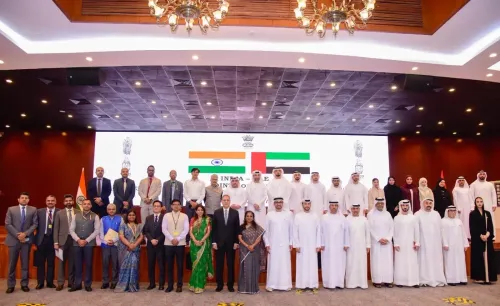
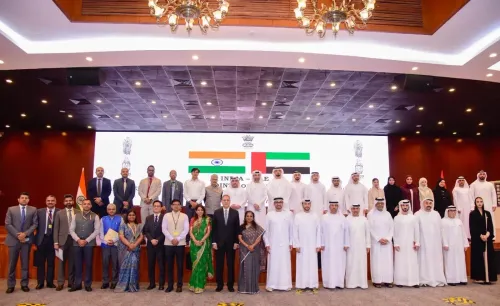
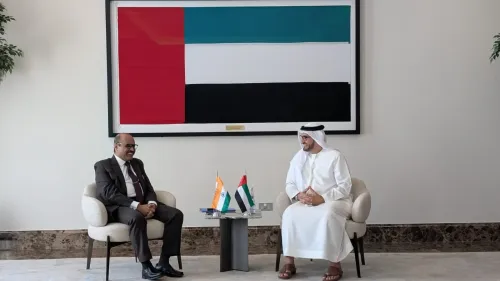
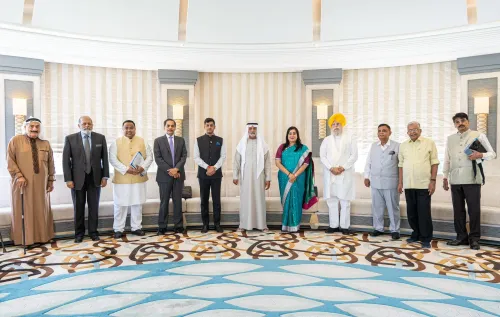
During the sixth meeting of the India–UAE Joint Committee on Consular Affairs in Abu Dhabi last month, officials from both countries committed to focusing on four essential areas, as reported by India Narrative.
These priorities include liberalizing visa regulations, enhancing information sharing, ensuring better consular access, and accelerating cooperation on extradition and mutual legal support.
While no significant new agreements have been declared, discussions indicate that both governments are seeking consistent, long-term collaboration rather than addressing issues on an individual basis.
India has already broadened its visa-on-arrival provisions for UAE nationals, expanding the number of airports offering this service from six to nine by including Kochi, Calicut, and Ahmedabad.
These locations particularly cater to travelers associated with Gulf business centers and regions with substantial Indian populations.
Conversely, the UAE has extended its visa-on-arrival program to accommodate more categories of Indian travelers, especially professionals holding foreign residence permits, making last-minute travel significantly more convenient.
The drive for simplified visa processes is fueled by robust economic and political motivations. Bilateral trade between India and the UAE has already surpassed approximately $100 billion in the 2024–25 period under the CEPA trade agreement.
Efficient business travel, seamless project execution, and reliable mobility for professionals are crucial for maximizing the benefits of this agreement.
With over 4.2 million Indians residing in the UAE, mobility is also a significant welfare concern for India and a key labor-market element for the UAE.
Simplified visa access for Emirati citizens entering India further emphasizes that travel and investment should flow reciprocally.
On the security front, India and the UAE already maintain an extradition treaty, and their collaboration has steadily progressed.
The recent discussions were centered on accelerating procedures rather than overhauling legislation. Practically, this translates to quicker evaluations of extradition requests, improved document alignment, and a stronger political commitment to eliminate delays.
Swift action from the UAE can significantly bolster India’s efforts to repatriate economic offenders who previously viewed Dubai as a secure refuge.
Both nations are also striving to enhance mutual legal support, which is vital for combating cybercrime, financial crimes, terror financing, and the misuse of corporate structures.
As India and the UAE deepen their economic ties through food corridors, logistics initiatives, and substantial investments, prompt sharing of financial records, ownership information, and digital evidence becomes imperative.
This collaboration can thwart criminals from exploiting regulatory discrepancies and functioning unnoticed across borders.
Point of View
It is essential to recognize that this collaboration between India and the UAE is not just a bilateral agreement; it is a significant step towards fostering economic growth and enhancing the welfare of millions. By simplifying travel and strengthening legal frameworks, both nations are setting a precedent for international cooperation, which is crucial in today's interconnected world. This initiative reflects a commitment to mutual benefit and shared prosperity.
NationPress
30 Sept 2026
Frequently Asked Questions
What are the key areas of collaboration between India and the UAE?
The key areas of collaboration include liberalizing visa rules, enhancing information flow, ensuring better consular access, and accelerating extradition and mutual legal assistance.
How has India expanded its visa-on-arrival facilities for UAE nationals?
India has increased the number of airports offering visa-on-arrival services for UAE nationals from six to nine, including Kochi, Calicut, and Ahmedabad.
What is the significance of the CEPA trade agreement?
The CEPA trade agreement has propelled bilateral trade between India and the UAE to over $100 billion, underscoring the importance of efficient business travel and cooperation.
How does this collaboration impact security concerns?
This collaboration enhances security by improving extradition processes and mutual legal assistance, which is vital for tackling cybercrime and financial misconduct.
What does simplified visa access mean for Emirati citizens traveling to India?
Simplified visa access for Emirati citizens emphasizes reciprocal travel and investment benefits, fostering stronger ties between the two nations.