Should Disease Ever Be Used as a Weapon? EAM Jaishankar Advocates for a Robust Global Biosecurity Framework at BWC's 50th Anniversary
Synopsis
In a powerful address, Dr. S. Jaishankar champions the need for a strengthened Biological Weapons Convention, warning against the misuse of biology as a weapon. As global biosecurity faces unprecedented challenges, he emphasizes India's leadership role and calls for reforms that protect public health and national security.
Key Takeaways
Urgent need for biosecurity reforms Importance of the Biological Weapons Convention India's leadership in global health Interconnection of public health and national security Call for modernization of global governance frameworks
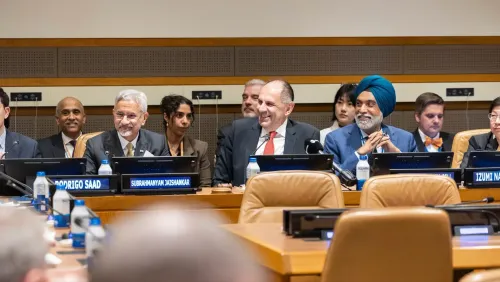
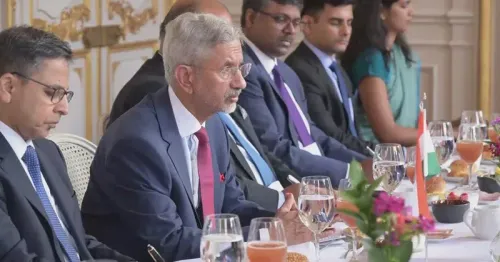
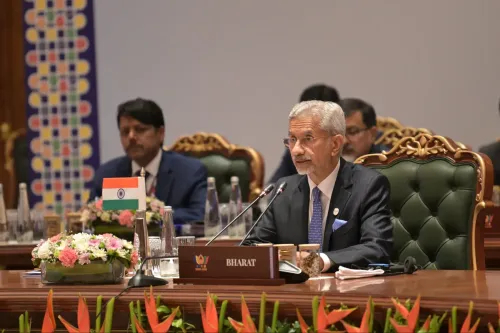
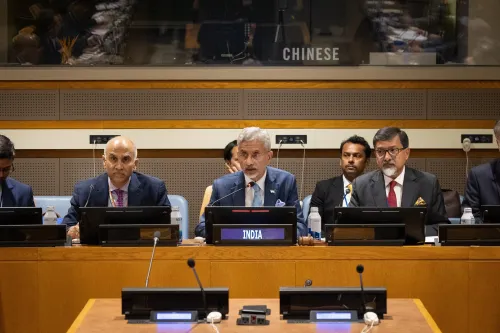
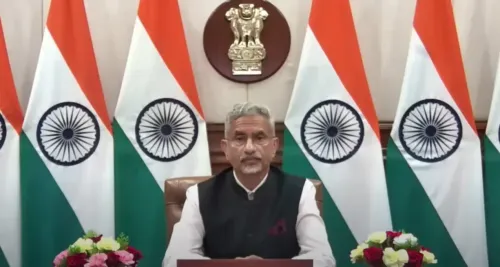
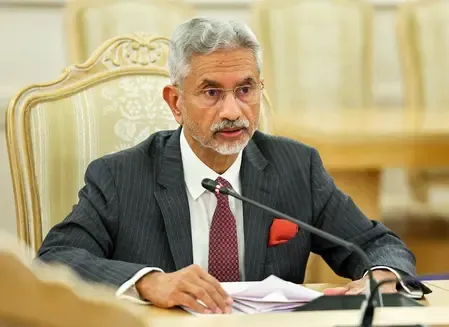
New Delhi, Dec 1 (NationPress) External Affairs Minister Dr S. Jaishankar emphasized the need for urgent global reforms aimed at enhancing biosecurity and reinforcing the Biological Weapons Convention (BWC) as it celebrates its 50th anniversary.
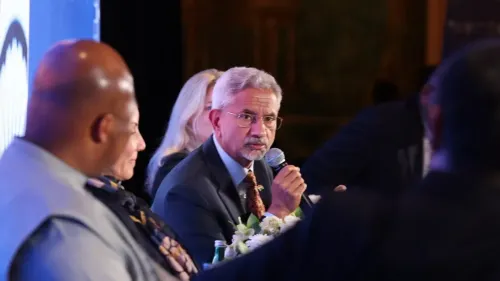
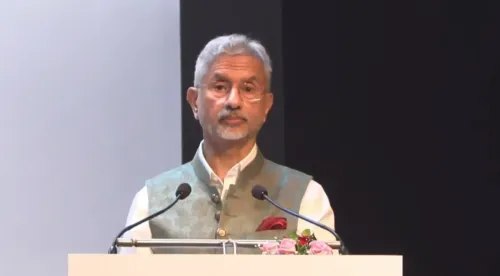
During his address at the Conference on 50 Years of the Biological Weapons Convention: Strengthening Biosecurity for the Global South in New Delhi, the minister cautioned that advancements in science are swiftly outpacing current global governance, presenting new threats to international stability.
Opening his statement with a compelling moral declaration, Dr Jaishankar remarked, “As we commemorate fifty years of the BWC… disease must never be wielded as a weapon. Biology ought to promote peace, not inflict harm.”
He stressed that the BWC acts as a crucial safeguard against the misuse of innovations in the life sciences sector, yet he questioned if this safeguard would endure over the next half-century. “The future depends on the choices we make today,” he asserted.
Pointing out the uncertainties in global security and the rapid advancements in biotechnology, he acknowledged that the decreasing costs and increased accessibility of sophisticated biological tools have created unprecedented threats. “Whether a biological danger is natural, accidental, or intentional, it spreads swiftly; it knows no borders, and it can overpower systems,” he cautioned, highlighting the deep interconnection between public health and national security.
Dr Jaishankar also brought attention to the vulnerabilities faced by the Global South, identifying gaps in healthcare infrastructures, surveillance capabilities, laboratory facilities, and emergency response systems. “If biosecurity is inconsistent, so is global safety. The Global South is exceedingly vulnerable… and its perspective must inform the next fifty years of the BWC,” he stated.
Reinforcing India’s position as a leader in global health, the minister outlined five significant strengths: India produces 60 percent of the world's vaccines; it provides over 20 percent of global generic medicines, with 60 percent of Africa's generics originating from India. The nation boasts nearly 11,000 biotech startups, making it the third-largest biotech startup ecosystem globally.
He also highlighted India's considerable progress in digital health, healthcare investment, and a comprehensive national research network, including ICMR, DBT labs, and BSL-3/4 facilities.
Dr Jaishankar referred to India's Vaccine Maitri initiative during the COVID-19 pandemic, which facilitated the delivery of nearly 300 million vaccine doses and medical support to over 100 vulnerable nations. “In the face of such a massive health crisis, solidarity saves lives,” he stated.
The External Affairs Minister pointed out that the misuse of biological technology by non-state actors poses a growing risk. “Bioterrorism is a serious threat… yet the BWC currently lacks fundamental institutional structures. It has no compliance framework, no permanent technical body, and lacks a mechanism to monitor emerging scientific advancements,” he warned.
He called for the modernization of the BWC, reiterating India’s long-standing plea for enhanced compliance measures, verification systems, and a systematic review of scientific progress. He also underscored India's National Implementation Framework, which encompasses high-risk agent identification, oversight of dual-use research, incident management, and ongoing training.
As a committed member of global non-proliferation agreements, India actively participates in the Wassenaar Arrangement, MTCR, and the Australia Group, he noted, emphasizing the latter's importance for biosecurity.
Concluding his address, Jaishankar stated, “Norms endure only when nations reaffirm them… We must modernize the Convention, evolve alongside science, and bolster global capabilities so that all nations can detect, avert, and address biological threats. India is prepared to contribute.”
Point of View
The call for a stronger biosecurity framework is timely and essential. As global threats evolve, India's proactive stance underlines its commitment to international safety and health leadership. It is crucial for nations to collaborate and implement robust measures to ensure that advancements in biology serve humanity positively.
NationPress
28 Sept 2026
Frequently Asked Questions
What is the Biological Weapons Convention?
The Biological Weapons Convention (BWC) is an international treaty that prohibits the development, production, and stockpiling of biological and toxin weapons.
Why is biosecurity important?
Biosecurity is crucial for preventing the misuse of biological research and technology, which can pose threats to public health and national security.
What role does India play in global health?
India is a global leader in vaccine production and supplies a significant portion of the world's generic medicines, contributing to global health initiatives.
How does biotechnology impact global security?
Advancements in biotechnology can lead to both innovative solutions and new risks, making global governance and security a critical concern.
What are the vulnerabilities of the Global South in biosecurity?
The Global South faces notable gaps in healthcare systems, surveillance, and emergency response, making it particularly susceptible to biological threats.