India-Japan bilateral trade target $50 billion by 2030: ASSOCHAM
Synopsis
India's trade with Japan is less than 1% of its total trade — yet ASSOCHAM says $50 billion by 2030 is within reach. With semiconductors, AI, and critical minerals now on the table alongside traditional sectors, and Minister Piyush Goyal personally pitching to Toyota, SMBC, MUFG, and Nippon Life in Tokyo, the bilateral relationship is shifting from diplomatic warmth to hard commercial ambition.
Key Takeaways
ASSOCHAM projects India-Japan bilateral trade can reach $50 billion by 2030 , up from current levels below 1% of India's total trade.
The report, titled 'India-Japan @75: From Enduring Friendship to Strategic Business Partnership' , was released by Minister Piyush Goyal in Tokyo on 26 August .
Emerging cooperation areas include semiconductors , artificial intelligence , digital technologies , critical minerals , and resilient supply chains .
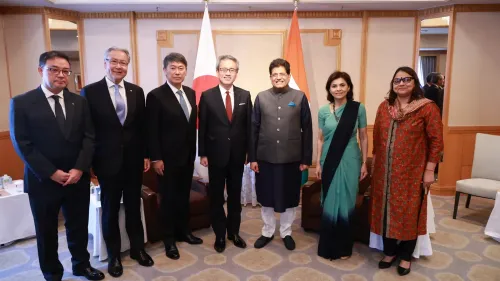
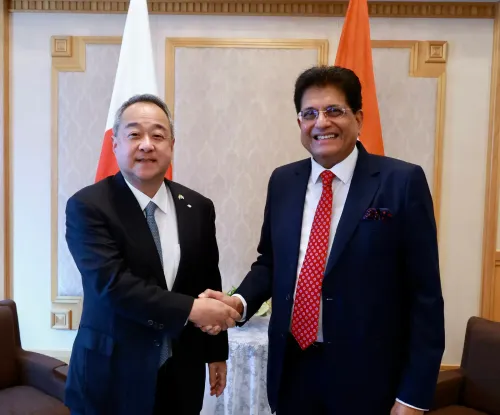
Goyal met top executives from Toyota Tsusho , SMBC , MUFG , and Nippon Life Insurance during his Japan visit.
ASSOCHAM flagged that improved ease of doing business could further accelerate bilateral economic engagement.
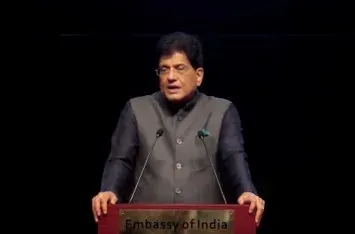
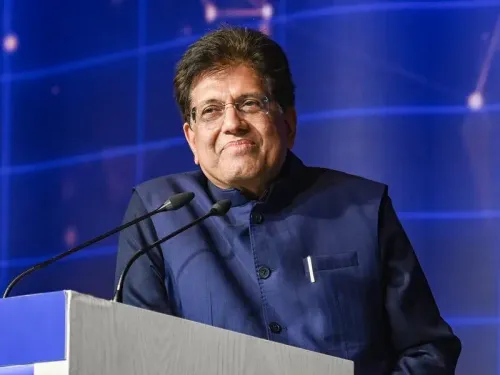
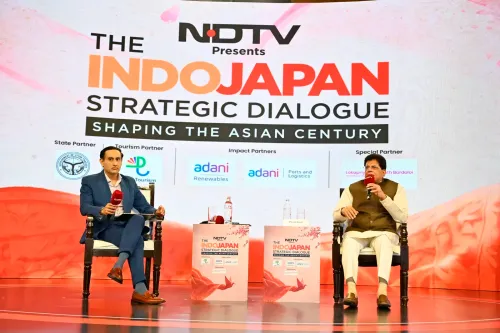
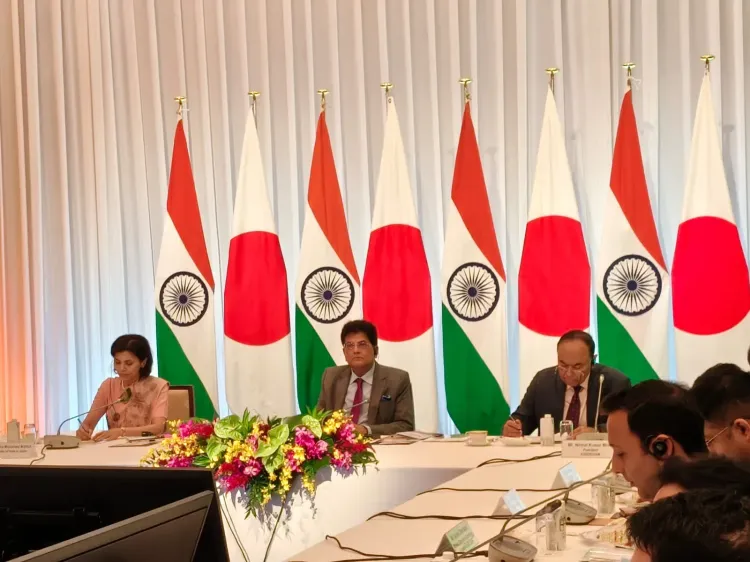
India-Japan bilateral trade has the potential to reach $50 billion by 2030, driven by deepening economic complementarities and stronger business engagement, according to an ASSOCHAM report released in Tokyo on Wednesday, 26 August. The report was unveiled by Union Commerce and Industry Minister Piyush Goyal during a roundtable on startups.
Key Findings of the ASSOCHAM Report
The report, titled 'India-Japan @75: From Enduring Friendship to Strategic Business Partnership', underscores that India's trade with Japan currently accounts for less than 1 per cent of its overall trade — a figure that points to significant untapped potential. ASSOCHAM Secretary General Saurabh Sanyal noted that there is considerable scope to expand market penetration and shift toward higher-value exports.
Beyond traditional industrial sectors, economic ties are increasingly extending into emerging domains such as semiconductors, artificial intelligence, digital technologies, critical minerals, and resilient supply chains, Sanyal said. He added that improvements in the ease of doing business could further accelerate bilateral economic engagement.
Why the Partnership Makes Strategic Sense
According to the industry body, India's large and growing domestic market, young workforce, and expanding manufacturing base complement Japan's established strengths in advanced technology, capital, and industrial expertise. This structural complementarity, analysts note, positions the two economies as natural long-term partners — particularly as global supply chains undergo a post-pandemic realignment away from single-source dependence.
Notably, this push comes at a time when both nations are deepening cooperation under frameworks including the India-Japan Special Strategic and Global Partnership, and as Japanese firms scout alternatives to China-centric manufacturing hubs.
What Minister Goyal Discussed in Tokyo
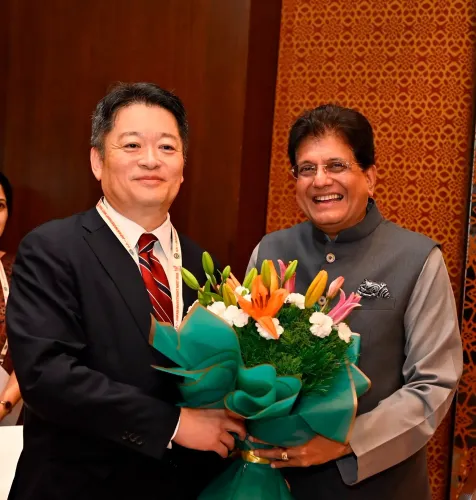
On the third day of his Japan visit, Goyal held meetings with senior executives from Toyota Tsusho Corporation, Sumitomo Mitsui Banking Corporation (SMBC) Group, Mitsubishi UFJ Financial Group (MUFG), and Nippon Life Insurance, according to posts by the minister on X. He highlighted India's growing investment and business opportunities across trade, mobility, industrial, banking, and insurance sectors.
The report launch was also attended by Nirmal Kumar Minda, President of ASSOCHAM, and Nagma Mohamed Mallick, Ambassador of India to Japan.
The Road to $50 Billion
Reaching the $50 billion target by 2030 would require a substantial step-up from current bilateral trade levels, which remain well below that threshold. ASSOCHAM's roadmap points to manufacturing, technology transfer, and supply-chain integration as the primary levers. Greater Japanese investment in India's semiconductor and EV ecosystems — sectors where Tokyo has deep expertise — could prove pivotal to closing the gap.
With both governments signalling intent and industry bodies aligning on priority sectors, the bilateral trade trajectory will hinge on execution speed and policy predictability on both sides.
Point of View
But the baseline makes it a stretch — India-Japan trade currently sits below 1% of India's overall trade, a figure that has barely shifted despite years of strategic partnership rhetoric. The real signal in the ASSOCHAM report is the sectoral pivot: semiconductors, AI, and critical minerals are not traditional India-Japan territory, and getting there requires more than ministerial roundtables. Japan's capital and technology are available, but Japanese firms are notoriously deliberate investors — ease of doing business and regulatory predictability will matter far more than headline targets. If this visit produces concrete investment commitments rather than MoUs, it will stand apart from the pattern.
NationPress
10 Oct 2026
Frequently Asked Questions
What is the ASSOCHAM India-Japan trade report about?
The report, titled 'India-Japan @75: From Enduring Friendship to Strategic Business Partnership,' projects that bilateral trade between India and Japan can reach $50 billion by 2030. It was released by Commerce Minister Piyush Goyal in Tokyo on 26 August and identifies sectors such as semiconductors, AI, and critical minerals as key growth areas.
What is the current level of India-Japan bilateral trade?
India's trade with Japan currently accounts for less than 1% of its overall trade, according to ASSOCHAM Secretary General Saurabh Sanyal. This low baseline is cited as evidence of significant untapped potential for expansion.
Which sectors are identified for deeper India-Japan cooperation?
Beyond traditional industrial ties, the report highlights semiconductors, artificial intelligence, digital technologies, critical minerals, and resilient supply chains as emerging areas of cooperation. Manufacturing, technology transfer, and supply-chain integration are the primary levers toward the $50 billion target.
Who did Minister Piyush Goyal meet during his Japan visit?
On the third day of his visit, Goyal met senior executives from Toyota Tsusho Corporation, Sumitomo Mitsui Banking Corporation (SMBC) Group, Mitsubishi UFJ Financial Group (MUFG), and Nippon Life Insurance. He highlighted India's investment opportunities across trade, mobility, industrial, banking, and insurance sectors.
What could accelerate India-Japan trade growth?
ASSOCHAM noted that improvements in the ease of doing business in India could significantly accelerate economic engagement. Greater Japanese investment in India's semiconductor and EV ecosystems, combined with stronger supply-chain integration, is seen as pivotal to achieving the 2030 trade target.