Is India’s First LNG-Powered Passenger Train Now Operational in Ahmedabad?
Synopsis
The launch of India's first LNG-powered passenger train in Ahmedabad marks a significant milestone for Indian Railways, showcasing a commitment to cleaner, sustainable transport. With the capability to travel 2,200 km on a single tank, this innovative dual fuel technology promises enhanced efficiency and reduced emissions.
Key Takeaways
First LNG-powered passenger train launched in India.
Can travel 2,200 km on a single tank.
Significantly reduces emissions compared to diesel.
Estimated savings of Rs 11.9 lakh per DPC annually.
Technology could expand to 8-10 more trains .
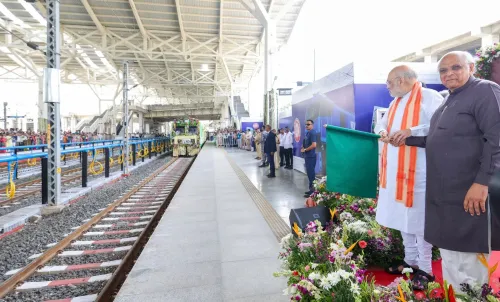
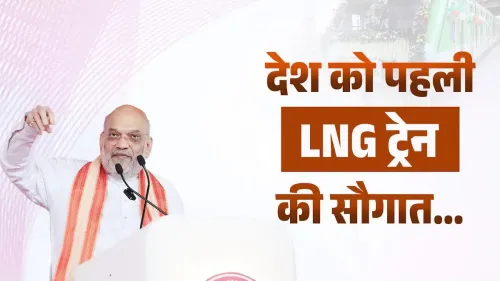
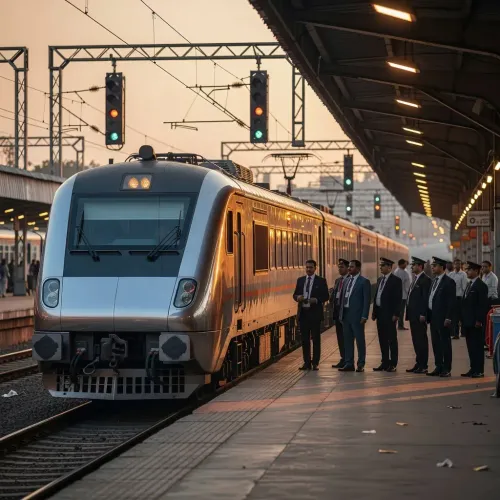
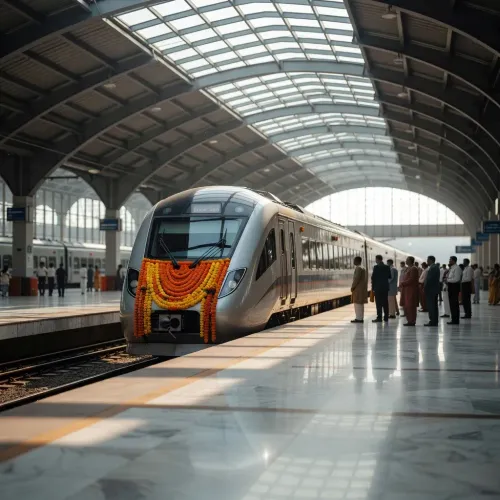
Ahmedabad, Jan 30 (NationPress) Indian Railways has made a significant advancement towards sustainable rail travel with the launch of the nation's inaugural passenger train powered by liquefied natural gas (LNG) in Ahmedabad.
The train has commenced regular services after undergoing thorough trials, as confirmed by officials on Friday, and can travel up to 2,200 kilometres on a single fuel tank.
The LNG-based dual fuel train was assessed at the Integrated Coaching Depot in Sabarmati by the Ahmedabad Divisional Railway Manager, Ved Prakash.
Speaking to the press, he stated that this initiative signifies a transition from traditional diesel operations to a more cost-effective and environmentally friendly technology.
“This marks the first instance of Indian Railways operating a passenger service utilizing LNG. The system provides nearly threefold advantages over diesel in terms of efficiency, cost, and environmental effects,” he elaborated.
As part of the initiative, Diesel Electric Multiple Unit (DEMU) trains and their Driving Power Cars (DPC), which previously relied solely on diesel, are being upgraded to operate using a combination of diesel and LNG.
Two power cars, each with an output of approximately 1,400 horsepower, have already been successfully converted under this program.
Railway officials noted that both units have surpassed field trials exceeding 2,000 kilometres and are now part of standard passenger operations without any disruptions.
Officials emphasized that the adoption of LNG leads to a substantial reduction in exhaust emissions. The levels of carbon dioxide, nitrogen oxides, and particulate matter are significantly lower than those of diesel-only operations, resulting in improved air quality along railway routes.
Ved Prakash mentioned that the engine output and operational reliability remain intact under the dual fuel system, which facilitates automatic fuel switching based on availability.
Financial savings are a vital aspect of this initiative.
According to railway estimates, the conversion can yield annual savings of about Rs 11.9 lakh per DPC. For an eight-coach DEMU train equipped with two power cars, the savings could potentially reach around Rs 23.9 lakh annually, owing to reduced fuel costs and fewer refuelling needs.
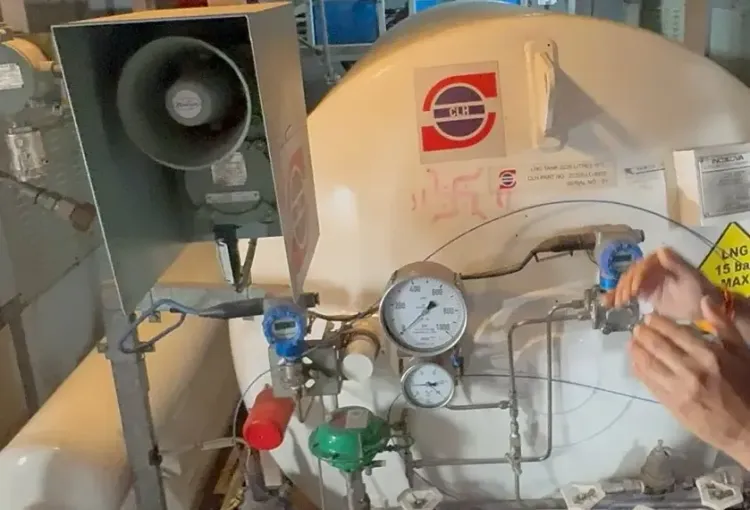
Each modified power car is fitted with an LNG tank designed for long-distance operations.
Current trials are being executed on the Mahesana–Sabarmati route, with officials expressing that this technology is anticipated to be expanded to an additional eight to ten trains following the completion of essential tests and approvals from the Research Designs and Standards Organisation.
Indian Railways authorities stated that the introduction of LNG-powered passenger trains embodies their broader mission to lower emissions, cut operating costs, and modernize services through cleaner energy solutions.
Point of View
I believe that the introduction of LNG-powered trains by Indian Railways is a commendable step towards modernizing our rail infrastructure and enhancing environmental sustainability. Such innovations reflect a broader commitment to reducing carbon footprints and improving air quality, aligning with global standards for clean energy solutions.
NationPress
30 Sept 2026
Frequently Asked Questions
What is the significance of the LNG-powered passenger train?
The LNG-powered passenger train represents a significant move towards cleaner and more efficient rail transport in India, reducing reliance on diesel and minimizing emissions.
How far can the LNG train travel on a single tank?
The LNG-powered train can cover up to 2,200 kilometers on a single tank.
What are the expected financial savings from this initiative?
The initiative could generate annual savings of around Rs 11.9 lakh per Driving Power Car, with potential savings of Rs 23.9 lakh for an eight-coach DEMU train.
How does LNG compare to diesel in terms of emissions?
LNG significantly reduces levels of carbon dioxide, nitrogen oxides, and particulate matter compared to diesel-only operations, leading to improved air quality.
Will this technology be expanded to more trains?
Yes, the technology is expected to be extended to eight to ten additional trains after completing mandatory tests and approvals.