India launches anti-dumping probe into steel imports from China, Japan, Russia
Synopsis
India's trade remedies authority has opened a formal anti-dumping investigation into hot rolled flat steel imports from China, Japan, and Russia — three of the world's largest steel exporters — after domestic producers alleged material injury from below-cost pricing. A parallel probe into dialysers from China and Malaysia signals a wider government drive to protect domestic industry across both steel and healthcare manufacturing.
Key Takeaways
India launched a formal anti-dumping investigation into hot rolled flat steel imports from China , Japan , and Russia on 26 June .
The Directorate General of Trade Remedies (DGTR) found the dumping margin to be above the minimum threshold and significant for all three countries.
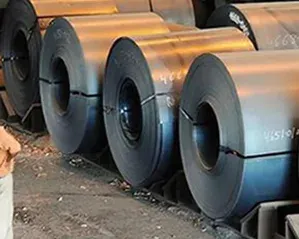
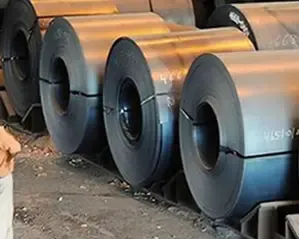
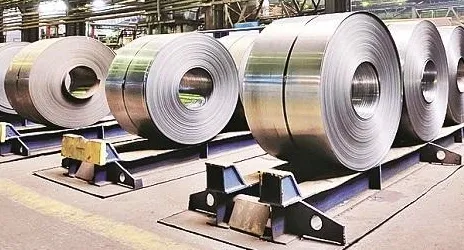
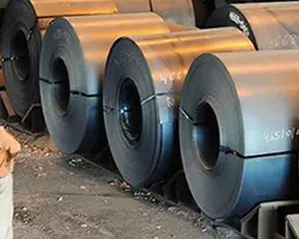
The product covers steel sheets and coils up to 25 mm thick and up to 2,100 mm wide , used in automotive, construction, oil and gas, and capital goods sectors.
Domestic applicants allege material injury and a threat of further injury , and have sought imposition of anti-dumping duties.
A separate DGTR probe was simultaneously opened into alleged dumping of dialysers from China and Malaysia .
India has initiated a formal anti-dumping investigation into imports of hot rolled flat steel products from China, Japan, and Russia, following a Commerce Ministry notification issued on Friday, 26 June. The probe, triggered by complaints from domestic steelmakers, centres on allegations that foreign producers are exporting the product at prices significantly below normal value — a practice that, if confirmed, could result in punitive duties on the offending imports.
What Is Being Investigated
The product under scrutiny is defined as 'hot rolled flat products of alloy or non-alloy steel, not clad, plated or coated, of a thickness up to 25 mm and width up to 2,100 mm'. Stainless steel variants are explicitly excluded from the scope of the investigation. The material is a foundational input across a wide range of industries, including automotive, oil and gas pipelines and exploration, cold rolled steel manufacturing, pipe production, general engineering, construction, capital goods, and process equipment used in cement, fertiliser, refinery, and earth-moving sectors.
DGTR's Initial Findings
The Directorate General of Trade Remedies (DGTR), the nodal authority for such probes under the Commerce Ministry, said its preliminary assessment found that the product was being exported to India at prices significantly lower than its normal value. The resulting dumping margin — the gap between the export price and the normal value — was found to be above the minimum threshold and deemed significant for all three source countries. On the basis of this prima facie evidence, the DGTR formally initiated the investigation.
What the Applicants Alleged
Domestic industry applicants contended that the dumped imports are causing material injury to Indian steelmakers and warned of a further threat of injury if the practice continues unchecked. They have requested the imposition of anti-dumping duty on imports from China, Japan, and Russia. Anti-dumping probes of this nature typically take up to 12 months to conclude, after which the DGTR may recommend duties to the Finance Ministry for final imposition.
Separate Probe Into Medical Dialysers
In a separate notification issued on the same date, the DGTR also announced it is probing alleged dumping of dialysers — disposable medical devices that function as artificial kidneys by removing waste substances such as urea, excess fluid, and toxins from a patient's blood — from China and Malaysia. The dual announcements signal a broader push by the Centre to shield domestic manufacturers across both industrial and healthcare segments from below-cost foreign competition.
Broader Context
This probe comes amid sustained pressure on India's domestic steel industry from a global glut of cheap steel, particularly from China, which has ramped up exports as its domestic construction demand has slowed. Indian steelmakers have repeatedly flagged the threat to margins and capacity utilisation. Notably, this is not the first time India has investigated steel dumping from these countries — earlier rounds of anti-dumping duties on various steel products have been imposed and renewed over the past decade. The outcome of this investigation will be closely watched by both domestic producers and downstream user industries, for whom cheaper imported steel lowers input costs.
The DGTR is expected to call for submissions from all interested parties, including exporters from the named countries, importers, and domestic producers, before arriving at a final recommendation.
Point of View
The US, and several Southeast Asian economies have all moved to restrict Chinese steel in recent months, and India is now joining that queue. What makes this investigation significant is the breadth of end-use sectors exposed: automotive, oil and gas, construction, and capital goods all rely on hot rolled flat steel, meaning any anti-dumping duty, if imposed, will raise input costs for downstream industries even as it protects upstream producers. That tension — between protecting steelmakers and keeping manufacturing competitive — is one the DGTR's final recommendation will need to navigate carefully. The simultaneous probe into dialysers from China and Malaysia also suggests the Centre is running a more systematic scan of vulnerable domestic sectors, not responding to isolated complaints.
NationPress
25 Sept 2026
Frequently Asked Questions
What is India's anti-dumping probe into steel imports about?
India has initiated a formal investigation into whether hot rolled flat steel products from China, Japan, and Russia are being exported to India at prices below their normal value — a practice called dumping. The probe was triggered by complaints from domestic steelmakers who allege material injury from these below-cost imports.
Which product is covered under this anti-dumping investigation?
The investigation covers hot rolled flat products of alloy or non-alloy steel that are not clad, plated, or coated, with a thickness of up to 25 mm and a width of up to 2,100 mm. Hot rolled flat products made of stainless steel are explicitly excluded from the probe's scope.
What is the DGTR and what role does it play?
The Directorate General of Trade Remedies (DGTR) is the Commerce Ministry body responsible for investigating unfair trade practices such as dumping and subsidised imports. It examines evidence, consults all interested parties, and recommends remedial duties to the Finance Ministry, which then decides on final imposition.
What happens if the probe finds dumping has occurred?
If the DGTR concludes that dumping has caused or threatens material injury to domestic industry, it can recommend anti-dumping duties on the imports from the named countries. The Finance Ministry then decides whether to impose those duties. The investigation typically takes up to 12 months to complete.
What is the separate dialyser probe announced alongside the steel investigation?
The DGTR also announced a separate investigation into alleged dumping of dialysers — disposable artificial-kidney devices used to filter waste and toxins from patients' blood — from China and Malaysia. This signals a broader government effort to protect domestic manufacturers in both heavy industry and healthcare.