DGTR anti-dumping probe on HRC steel imports may lift domestic prices
Synopsis
India's trade remedies body has launched a formal anti-dumping probe into HRC steel imports from China, Japan and Russia — a move analysts at Equirus say could tighten import economics and give domestic steel prices room to recover, though near-term import volumes are likely to stay high given India's relatively low 11.5% safeguard duty.
Key Takeaways
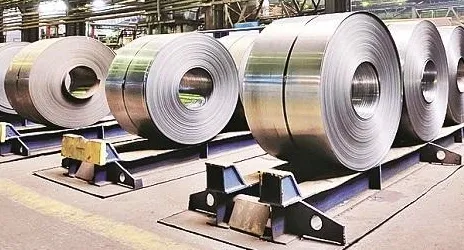
The DGTR has initiated an anti-dumping investigation into hot rolled coil (HRC) steel imports from China , Japan , and Russia .
Equirus says the probe could support a gradual domestic HRC price recovery over the medium term if duties are imposed.
India's current safeguard duty of 11.5% is lower than tariffs in the EU and US , keeping near-term import volumes elevated.
The investigation was triggered by an application from domestic producers including state-owned SAIL , alleging material injury from dumped imports.
The probe covers hot rolled flat products (excluding stainless steel) for the period January–December 2025 .
If anti-dumping duties follow, integrated steel producers and primary steel tube manufacturers using domestic HRC as feedstock stand to benefit most.
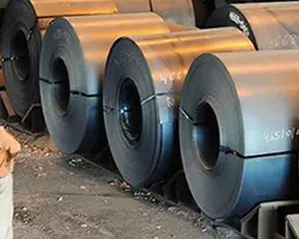
The Directorate General of Trade Remedies (DGTR) has launched an anti-dumping investigation into imports of hot rolled coil (HRC) steel from China, Japan, and Russia — a move that could support a gradual recovery in domestic HRC prices over the medium term if duties are eventually imposed, according to a report released on Saturday, 27 June.
What the Equirus Report Found
A research note by Equirus cautioned that near-term imports are likely to remain elevated, citing two key reasons: India's safeguard duty of 11.5% remains lower than tariffs applied in major importing regions such as the European Union and the United States, and continued demand for imported HRC persists under the Advance Authorisation Scheme for export-oriented steel pipe and tube projects.
Pranav Mehta, Associate Director – Equities, Equity Research at Equirus, noted that HRC imports had surged recently, driven largely by metal pipe manufacturers witnessing improved offtake from oil and gas projects in the Middle East. 'As we had highlighted earlier, HRC imports had jumped recently on the back of higher imports by metal pipe manufacturers, who were witnessing improved offtake from oil and gas projects in the Middle East,' Mehta said.
How Anti-Dumping Duties Could Shift the Equation
Should the DGTR investigation conclude with the imposition of anti-dumping duties, import economics could tighten considerably. This would benefit integrated steel producers and primary steel tube manufacturers that depend on domestically produced HRC as feedstock, according to the Equirus report. The safeguard duty already provides some initial floor support to domestic prices, but analysts argue it is insufficient on its own to meaningfully curb cheaper foreign supply.
Background: Who Filed the Complaint
The DGTR initiated the investigation following an application by several domestic companies, including state-owned Steel Authority of India Ltd (SAIL). Domestic producers have alleged that imports from China, Japan, and Russia have increased sharply, are being sold at unfairly low prices, and are causing material injury to the Indian steel industry.
The probe covers hot rolled flat products of alloy or non-alloy steel — excluding stainless steel — with the investigation period spanning January to December 2025.
Wider Industry Context
This comes amid a broader global overcapacity problem in steel, with Chinese mills in particular exporting aggressively as domestic demand in China has slowed. India has increasingly found itself a destination for surplus steel, placing pressure on domestic producers' margins and pricing power. Notably, the EU and the US have both erected higher trade barriers against the same countries under investigation, making India a relatively more accessible market for dumped material. The DGTR probe, if it leads to duties, would bring India's trade defence posture closer in line with its global peers.
A final determination by the DGTR is expected to take several months, and any duties imposed would be subject to further government notification before taking effect.
Point of View
But the timeline gap between investigation and duty imposition is where domestic steel producers remain exposed. India's 11.5% safeguard duty was always a half-measure — the EU and US have moved far more decisively against the same exporters. What this investigation also surfaces is a structural tension: export-oriented pipe and tube manufacturers benefit from cheaper imported HRC, while integrated producers are hurt by it. Any eventual duty will force a policy choice between protecting upstream steel and enabling downstream export competitiveness. That trade-off has no clean answer, and the government will face lobbying from both sides before a final call is made.
NationPress
26 Sept 2026
Frequently Asked Questions
What is the DGTR anti-dumping investigation into HRC steel imports?
The Directorate General of Trade Remedies (DGTR) has launched a formal anti-dumping probe into imports of hot rolled coil (HRC) steel from China, Japan, and Russia. The investigation was triggered by a complaint from domestic producers, including SAIL, alleging that these imports are being sold at unfairly low prices and causing material injury to India's steel industry.
How could the anti-dumping probe help domestic HRC steel prices?
If the DGTR investigation results in anti-dumping duties, the cost of importing HRC steel would rise, making domestically produced material more competitive. According to Equirus, this could support a gradual recovery in domestic HRC prices over the medium term, particularly benefiting integrated steel producers and primary steel tube manufacturers.
Why are HRC steel imports into India still likely to remain high in the near term?
India's current safeguard duty of 11.5% is lower than tariffs applied in the EU and the US against the same exporting countries. Additionally, export-oriented steel pipe and tube manufacturers continue to import HRC under the Advance Authorisation Scheme, sustaining import demand regardless of the ongoing probe.
Which companies and countries are involved in the DGTR investigation?
The probe covers imports from China, Japan, and Russia. The investigation was initiated following an application by several domestic producers, including state-owned Steel Authority of India Ltd (SAIL). The probe period spans January to December 2025 and covers hot rolled flat products of alloy or non-alloy steel, excluding stainless steel.
Who benefits most if anti-dumping duties are imposed on HRC steel?
Integrated steel producers and primary steel tube manufacturers that use domestically produced HRC as feedstock stand to gain the most, as anti-dumping duties would tighten import economics and reduce competition from cheaper foreign supply.