Tankers Redirect from China to India as Russian Oil Demand Surges
Synopsis
In a notable shift, India has ramped up its Russian oil imports, prompting tankers to change course from China to Indian ports. This surge follows a U.S. allowance for increased Russian oil imports to India and is expected to influence global oil prices.
Key Takeaways
India's oil imports from Russia have surged significantly.
Several tankers have redirected from China to India.
Indian refiners quickly ramped up purchases following U.S. permission.
At least seven vessels have shifted routes recently.
Experts predict potential increases in global oil prices.
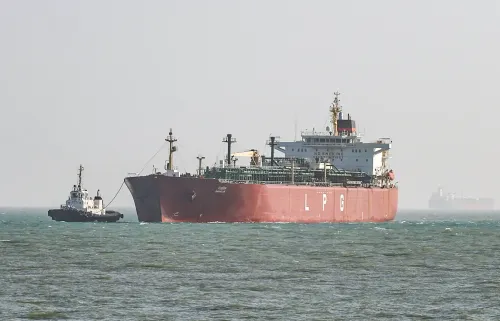
New Delhi, March 18 (NationPress) India's acquisition of Russian oil has seen a significant uptick, leading numerous tankers, initially en route to China, to alter their paths and head towards Indian harbors instead. One notable vessel, the Aframax tanker Aqua Titan, is anticipated to dock at New Mangalore on March 21, transporting Urals crude, as reported.
This ship had originally aimed for Rizhao in China after loading oil from a Baltic Sea port in late January.
However, a sudden decision in mid-March saw it turn around in the South China Sea and redirect towards India, according to the report.
This development follows the United States granting India temporary permission to increase its imports of Russian oil.
In response, Indian refiners quickly escalated their purchases, acquiring around 30 million barrels of Russian crude within just one week.
This buying surge aims to alleviate supply concerns stemming from disruptions in Middle Eastern oil deliveries due to ongoing tensions involving Iran.
The trend is broader than one tanker; data from analytics firm Vortexa indicates that at least seven vessels carrying Russian oil have shifted their routes from China to India in recent weeks.
With major Indian refiners actively pursuing Russian crude once more, India seems to be reclaiming its status as a critical buyer for Moscow, as reported.
Additionally, another tanker, the Suezmax Zouzou N., is also making its way to Sikka port in India, expected to arrive on March 25.
This vessel is carrying CPC Blend crude from Kazakhstan. It had previously departed from Novorossiysk in Russia’s Black Sea region and was initially destined for Rizhao before changing its course in early March.
Meanwhile, the easing of restrictions has permitted other nations, including Japan and South Korea, to resume their purchases of Russian oil.
Experts believe this renewed interest from various buyers could lead to an increase in global oil prices in the near future.
Point of View
India's renewed commitment to Russian crude imports signifies a strategic shift in its energy policies, aiming to bolster supply amidst geopolitical tensions. This trend highlights the complex interplay of global energy markets and national interests.
NationPress
7 Oct 2026
Frequently Asked Questions
Why are tankers changing their routes from China to India?
Tankers are altering their routes due to India's increased purchases of Russian oil, following a U.S. allowance for temporary boosts in imports.
What impact does this shift have on global oil prices?
Analysts predict that renewed demand from multiple countries, including India, may lead to higher global oil prices in the coming weeks.
How much Russian oil has India purchased recently?
India has reportedly acquired around 30 million barrels of Russian crude within just one week as part of this recent surge.
What types of crude oil are being transported?
The tankers are primarily carrying Urals crude and CPC Blend crude from Kazakhstan.
Which other countries are resuming Russian oil purchases?
In addition to India, countries like Japan and South Korea have also begun to resume their purchases of Russian oil.