Did the Pakistani military plead for an end to Operation Sindoor?
Synopsis
In a bold assertion during a UN session, India revealed that the Pakistani military directly requested an end to Operation Sindoor, challenging claims of external interference. India's representative emphasized the nation's commitment to counter terrorism while addressing the situation in Kashmir and the implications of the Indus Waters Treaty. A compelling discussion on regional security unfolds.
Key Takeaways
Pakistan's military directly requested a halt to Operation Sindoor.
India's commitment to counter-terrorism remains firm.
The Indus Waters Treaty suspension signifies rising tensions.
India emphasizes the integral status of Jammu and Kashmir .
Dialogue at the UN continues to highlight regional security concerns .
United Nations, Jan 27 (NationPress) The Pakistani military directly requested a halt to Operation Sindoor, as India reminded the Security Council, refuting claims of external interference.
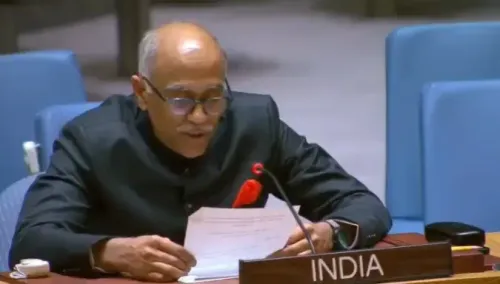
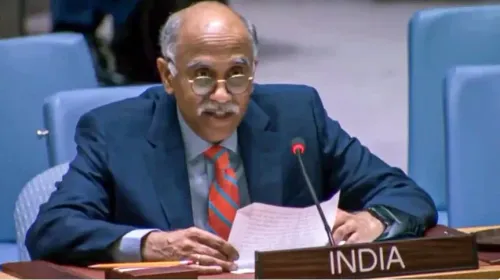
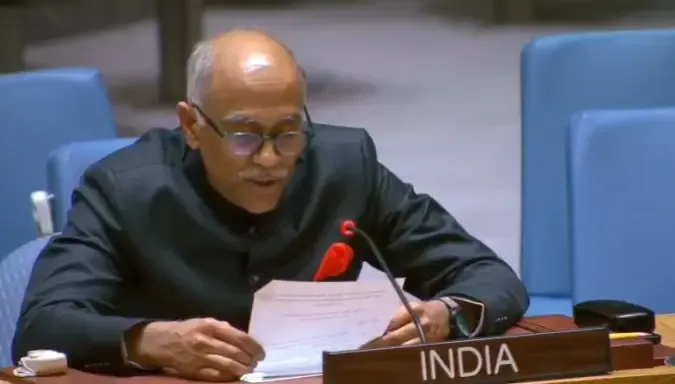
“We will undertake all necessary measures to safeguard and ensure the security of our citizens,” India’s Permanent Representative, P Harish, emphasized on Monday.
“Let me reiterate that terrorism can never be normalized as Pakistan wishes to do,” he stated.
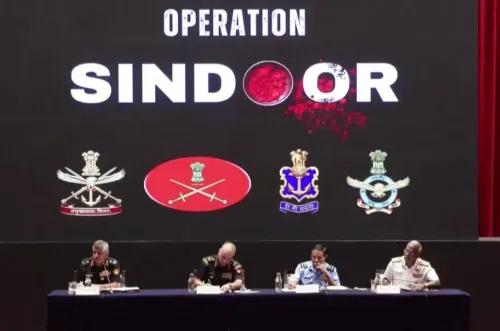
India outlined the circumstances leading to the conclusion of Operation Sindoor, which significantly impacted Pakistan’s air force, while asserting that the operation was consistent with the Security Council’s position against terrorism.
“Until May 9, Pakistan was threatening further attacks on India; however, on May 10, the Pakistani military reached out to our military, pleading for a cessation of hostilities,” Harish noted.
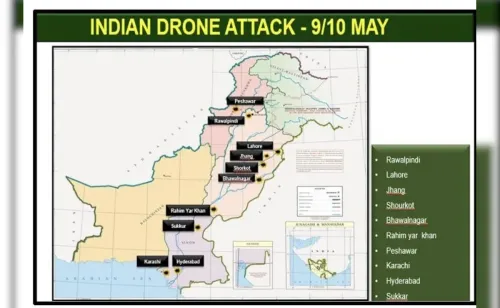
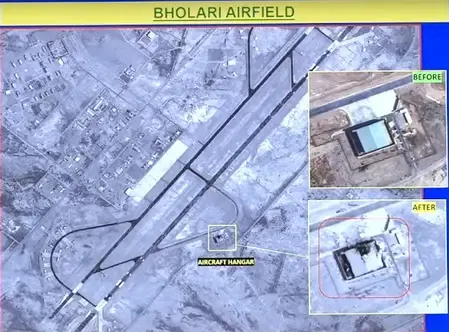
“The damage inflicted on several Pakistani air bases by the Indian operation, including images of destroyed runways and charred hangars, is accessible to the public,” he added.
India's response to the attack by Pakistan-based terrorists on tourists in Pahalgam on April 22 last year was described as measured and responsible, according to Harish.
The Resistance Front, linked to the Lashkar-e-Taiba, which is recognized as a terrorist organization by both the United States and India, claimed responsibility for the religion-motivated attack that resulted in the deaths of 26 individuals.
In initiating Operation Sindoor, India was acting in accordance with the Council’s call to hold accountable those responsible for this heinous act of terrorism, Harish asserted.
“India’s response was prudent, non-escalatory, responsible, and aimed at dismantling terrorist infrastructure,” he said.
Harish refrained from mentioning US President Donald Trump, who has asserted that he resolved the conflict through diplomacy and threats of tariffs, even claiming eligibility for a Nobel Peace Prize.
During the Council’s open debate on “Reaffirming international rule of law,” Pakistan’s Permanent Representative, Asim Iftikhar Ahmad, criticized Operation Sindoor, labeling it as “unprovoked military aggression.”
He also raised concerns regarding the suspension of the Indus Waters Treaty and presented his perspective on the situation in Kashmir.
Dismissing his claims about Kashmir, Harish asserted, “The Union Territory of Jammu and Kashmir has been, is, and will always remain an integral and inalienable part of India.”
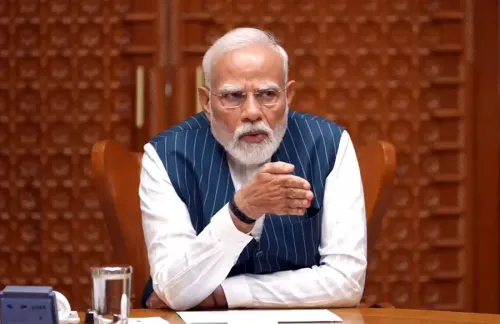
Regarding the Indus Rivers Treaty, which Prime Minister Narendra Modi suspended following the Pahalgam attack, Harish explained, “India was compelled to declare that the treaty would be held in abeyance until Pakistan, a global nexus of terror, credibly and irrevocably ceases its support for cross-border and all other forms of terrorism.”
Regarding Islamabad’s tendency to bring up Kashmir and other grievances at UN discussions regardless of the topic, Harish stated, “This esteemed chamber cannot serve as a platform for Pakistan to legitimize terrorism.”
Concerning Ahmad's remarks on the rule of law, Harish suggested that Pakistan engage in self-reflection.
Pakistan “could start by examining how it allowed its armed forces to orchestrate a constitutional coup through the 27th Amendment, granting lifetime immunity to its chief of defense forces,” he noted.
The 27th Amendment to the Pakistan Constitution, enacted in November, effectively established military supremacy.
Point of View
Our stance remains unwavering in support of national interests. India's actions in response to terrorism are justified and necessary for the safety of its citizens. The dialogue at the UN underscores the ongoing complexities in the region, and it's vital to focus on the facts while dismissing unfounded claims.
NationPress
19 Sept 2026
Frequently Asked Questions
What is Operation Sindoor?
Operation Sindoor is a military operation initiated by India in response to terrorist activities originating from Pakistan, aimed at dismantling terrorist infrastructure and ensuring national security.
Why did the Pakistani military plead for an end to the operation?
The Pakistani military requested a halt to Operation Sindoor due to the substantial damage inflicted on its military infrastructure and ongoing threats of further conflict.
What is the significance of the Indus Waters Treaty?
The Indus Waters Treaty is a water-sharing agreement between India and Pakistan. Its suspension by India highlights the heightened tensions and security concerns following terrorist attacks.
How does India view terrorism from Pakistan?
India categorically rejects the normalization of terrorism as suggested by Pakistan, emphasizing that such acts must be addressed and those responsible held accountable.
What was the international response to these claims?
The international community is closely monitoring the situation, with discussions at the UN reflecting the complexities of regional security and ongoing tensions between India and Pakistan.