India-Russia armed forces talks: Working Group meets in New Delhi to chart 2027 defence roadmap
Synopsis
India and Russia are not just maintaining their defence relationship — they are actively institutionalising it. Back-to-back working group meetings in New Delhi covering armed forces planning, land systems, UAVs, Vande Bharat trains, and critical minerals suggest a deliberate push to expand the bilateral partnership well beyond traditional arms supply into technology, industry, and infrastructure.
Key Takeaways
India and Russia held a Working Group on Planning meeting in New Delhi on 20–21 August , reviewing joint defence activity and outlining measures for 2027 .
The Russian Embassy in India confirmed the meeting through its official Telegram channel.
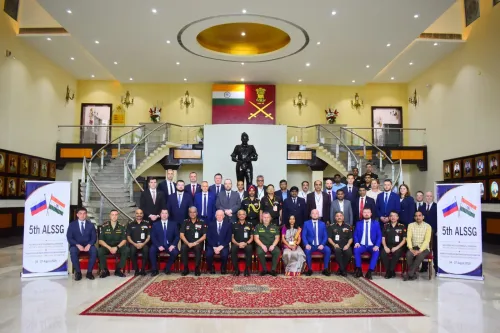
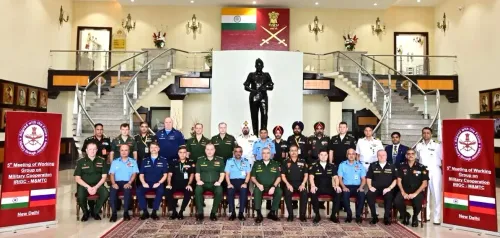
Earlier this month, the fifth India-Russia Army Land System Sub-Group (ALSSG) meeting was held from 4–7 August in New Delhi.
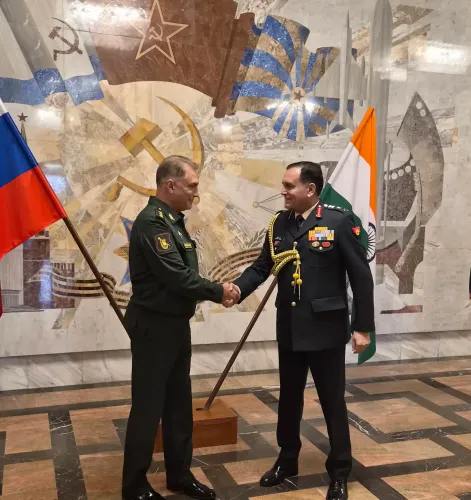
Lt Gen Rahul R Singh led the Indian delegation; Maj Gen Tufekchi Aleksandr headed the Russian side at the ALSSG meeting.
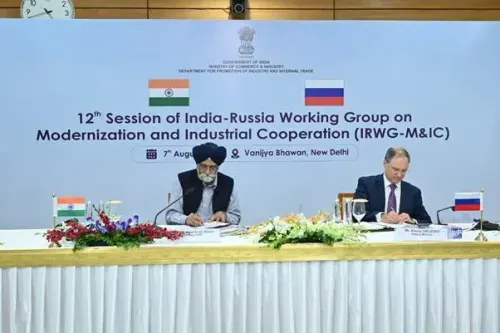
A separate working group on 7 August agreed to cooperate on UAVs , Vande Bharat trains, the SJ-100 regional aircraft, 3-D printing , and critical minerals .
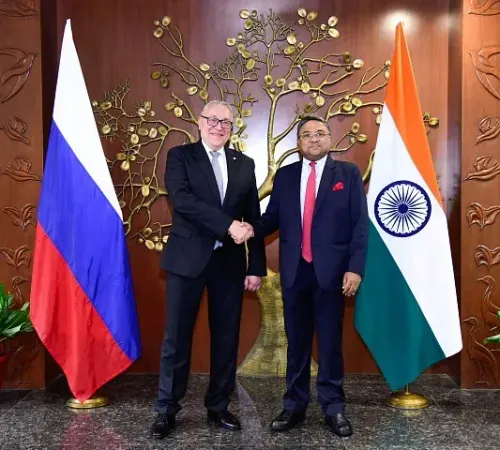
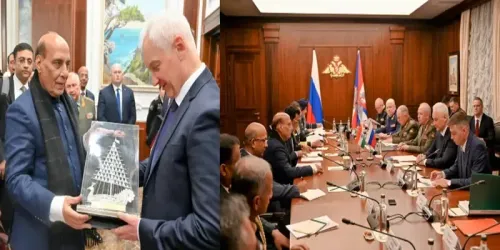
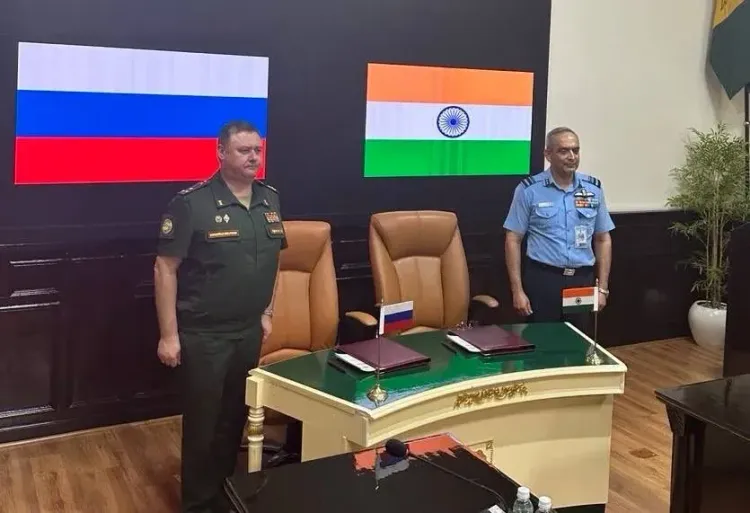
India and Russia held a high-level Working Group on Planning meeting of the Russia-India Intergovernmental Commission on Military and Military-Technical Cooperation in New Delhi on 20–21 August, with both sides reviewing joint activity results for the current year and mapping out expanded armed forces interaction through 2027. The Russian Embassy in India confirmed the development through its official Telegram channel.
What the Working Group Discussed
'The sides reviewed the results of the joint activity plan for the current year, outlined measures for 2027 and discussed ways to expand interaction between the armed forces of the two countries,' the Russian Embassy in India stated. The meeting signals a structured, forward-looking approach to bilateral defence engagement rather than a reactive one — with a concrete planning horizon now extending into 2027.
Context: A Busy Month for India-Russia Defence Ties
This meeting follows a series of high-tempo engagements between the two sides. Earlier this month, the fifth India-Russia Army Land System Sub-Group (ALSSG) meeting was held in New Delhi from 4–7 August, also under the aegis of the India-Russia Intergovernmental Commission on Military and Military-Technical Cooperation (IRIGC-M and MTC). That four-day session reaffirmed both nations' commitment to deepening defence industrial and technological cooperation.
Lieutenant General Rahul R Singh, Deputy Chief of Army Staff (CD and S), led the Indian delegation at the ALSSG meeting. The Russian side was represented by Major General Tufekchi Aleksandr, Deputy Head of the Main Armoured Directorate, Ministry of Defence of the Russian Federation.
Beyond Defence: Broader Bilateral Cooperation
On 7 August, the 12th Session of the India-Russia Working Group on Modernisation and Industrial Cooperation — under the Intergovernmental Commission on Trade, Economic, Scientific, Technological and Cultural Cooperation — produced agreements to strengthen ties across several non-defence sectors. Railway transport emerged as a key focus, with discussions covering infrastructure facilities, the Vande Bharat train project, and signalling equipment.
The two sides also discussed cooperation in Unmanned Aerial Vehicles (UAVs), 3-D printing, aero-engines, and production of the Russian regional aircraft SJ-100 — a narrow-body jet capable of carrying 103 passengers. Critical minerals were also on the agenda, reflecting the growing strategic dimension of resource partnerships.
What This Signals
The back-to-back engagements — spanning land systems, military planning, railways, UAVs, and critical minerals — point to a deliberate effort by both sides to institutionalise and broaden the bilateral relationship beyond legacy arms supply arrangements. With a 2027 planning framework now in place, the next milestones will likely be sectoral implementation timelines and joint exercise calendars expected to emerge from this round of talks.
Point of View
Military planning, UAVs, railways, and critical minerals — is notable precisely because it runs counter to Western pressure on New Delhi to distance itself from Moscow. India is not just sustaining legacy ties; it is deepening institutional architecture. The inclusion of Vande Bharat and SJ-100 in the same framework as armed forces interaction blurs the line between defence and commercial partnership, which gives both sides political cover and strategic depth. The 2027 planning horizon is the real signal: this relationship is being designed for durability, not managed for optics.
NationPress
5 Oct 2026
Frequently Asked Questions
What was decided at the India-Russia Working Group meeting in New Delhi?
The Working Group on Planning of the Russia-India Intergovernmental Commission on Military and Military-Technical Cooperation met on 20–21 August in New Delhi. Both sides reviewed the joint activity plan for the current year, outlined cooperation measures for 2027, and discussed ways to expand interaction between their armed forces.
What is the IRIGC-M and MTC?
The India-Russia Intergovernmental Commission on Military and Military-Technical Cooperation (IRIGC-M and MTC) is the primary bilateral framework governing defence and defence-technology cooperation between India and Russia. It oversees working groups on areas ranging from land systems to military planning.
Who led the Indian and Russian delegations at the ALSSG meeting?
Lieutenant General Rahul R Singh, Deputy Chief of Army Staff (CD and S), led the Indian delegation at the fifth ALSSG meeting held from 4–7 August in New Delhi. Major General Tufekchi Aleksandr, Deputy Head of the Main Armoured Directorate of Russia's Ministry of Defence, headed the Russian side.
What non-defence areas did India and Russia agree to cooperate on?
At the 12th Session of the Working Group on Modernisation and Industrial Cooperation on 7 August, India and Russia agreed to deepen ties in railway transport — including the Vande Bharat project and signalling equipment — as well as UAVs, 3-D printing, aero-engines, the SJ-100 regional aircraft, and critical minerals.
What is the SJ-100 aircraft discussed in the India-Russia talks?
The SJ-100 is a Russian narrow-body regional jet capable of carrying 103 passengers. Its production and potential cooperation on aero-engines were among the topics discussed at the 7 August working group session between India and Russia.