India, Sri Lanka deepen maritime security ties under MAHASAGAR vision
Synopsis
Sri Lanka's Navy Commander flew to New Delhi for a three-day visit that put maritime security at the centre — not a routine courtesy call. With the Indian Ocean growing more contested and Colombo still finding its post-crisis footing, India's twin-track push through both diplomatic and defence channels signals that the MAHASAGAR framework is moving from vision to operational reality.
Key Takeaways
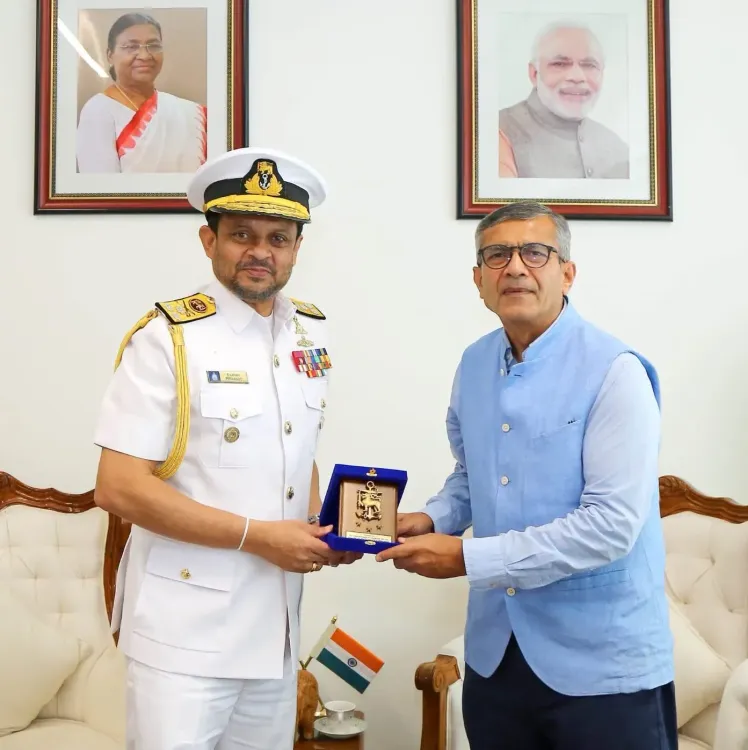
Vice Admiral Damian Fernando , Sri Lanka Navy Commander, met Defence Secretary Rajesh Kumar Singh and Admiral Krishna Swaminathan in New Delhi on 27 August .
Talks centred on the Bilateral Defence Cooperation Plan , covering maritime security, training, and capacity-building.
Both sides reaffirmed commitment to peace and stability in the Indian Ocean Region under India's MAHASAGAR vision.
Fernando was accorded a ceremonial Guard of Honour at South Block Lawns before bilateral discussions.
Foreign Secretary Vikram Misri had separately visited Colombo in August, reinforcing India's Neighbourhood First policy with Sri Lanka.
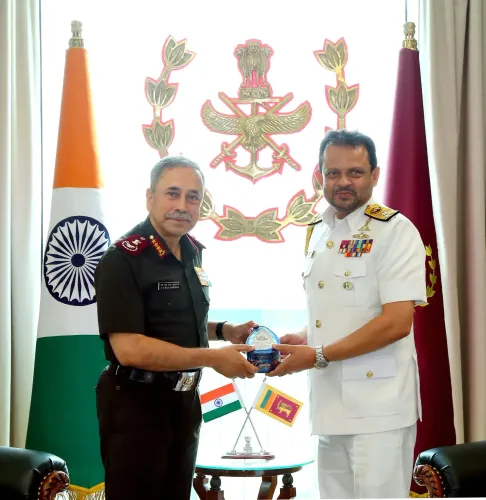
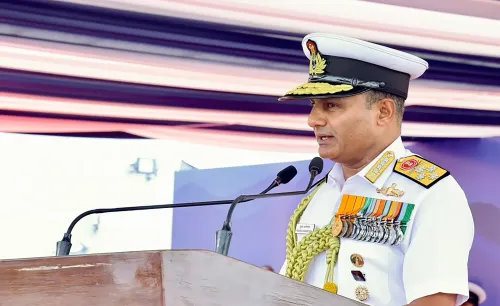
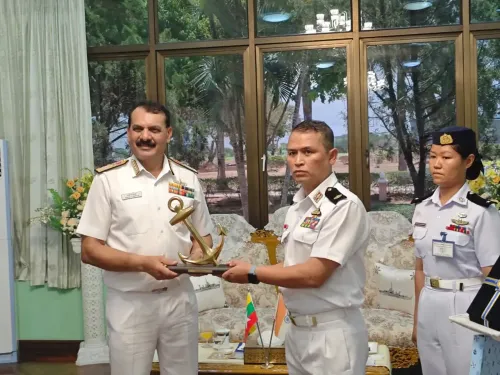
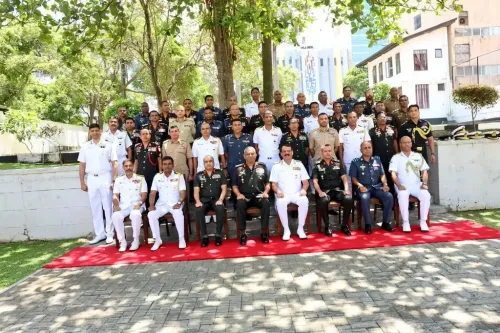
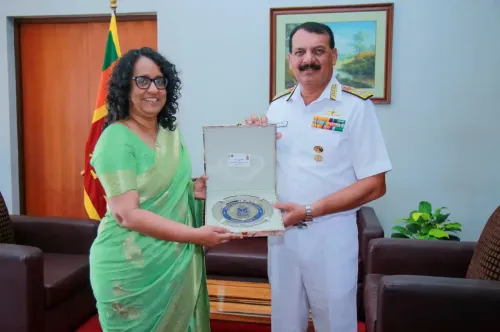
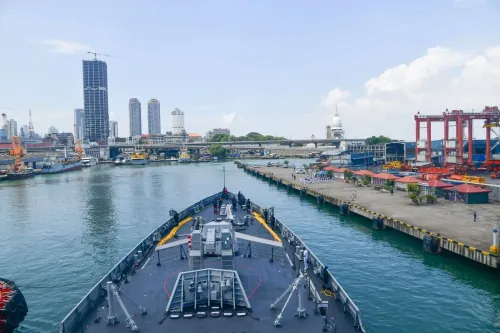
Sri Lanka Navy Commander Vice Admiral Damian Fernando on Thursday, 27 August held high-level defence talks in New Delhi, meeting both Defence Secretary Rajesh Kumar Singh and Indian Navy Chief Admiral Krishna Swaminathan, as the two neighbours moved to strengthen maritime security cooperation under the Bilateral Defence Cooperation Plan. The engagements signal a sustained push by India to consolidate its strategic partnerships in the Indian Ocean Region (IOR).
Key Developments
Fernando, who arrived on a three-day official visit to India, was accorded a ceremonial Guard of Honour at the South Block Lawns in New Delhi before entering bilateral discussions with Admiral Swaminathan. The two naval chiefs reviewed ongoing cooperation and reaffirmed their shared commitment to peace and stability across the IOR.
The Ministry of Defence confirmed that both sides 'reviewed activities and projects under the Bilateral Defence Cooperation Plan and reaffirmed their commitment to further strengthening bilateral defence cooperation in areas of mutual interest.'
What the Indian Navy Said
The Indian Navy described the deliberations as focused on 'strengthening maritime security cooperation, institutionalised training and capacity-building initiatives.' It added that the engagement 'reaffirms the deep-rooted maritime bonds between India and Sri Lanka and contributes to sustained peace and stability across the IOR, in line with India's vision of MAHASAGAR.'
MAHASAGAR — Mutual and Holistic Advancement for Security and Growth across Regions — is India's overarching strategic framework for the Indian Ocean neighbourhood, placing security, connectivity, and development at its centre.
Broader Diplomatic Context
The naval talks follow a separate high-level diplomatic engagement earlier in August, when Foreign Secretary Vikram Misri visited Colombo and reaffirmed India's commitment to Sri Lanka under the 'Neighbourhood First' policy. During that visit, Misri called on Sri Lankan President Anura Kumara Disanayaka, Prime Minister Harini Amarasuriya, and Foreign Minister Vijitha Herath, and also met Opposition Leader Sajith Premadasa along with leaders of the Sri Lankan Tamil and Indian Origin Tamil (IOT) communities.
Notably, both visits — Misri's diplomatic outreach and Fernando's defence-focused trip — underscore how India is pursuing a twin-track approach with Colombo: deepening people-to-people and political ties while simultaneously institutionalising military and maritime cooperation.
Why This Matters
The IOR has grown increasingly contested, with multiple extra-regional naval actors expanding their presence. India's bilateral defence frameworks with immediate neighbours like Sri Lanka serve as a first layer of strategic depth. Capacity-building and training initiatives, specifically highlighted in Thursday's discussions, are designed to ensure partner navies can independently monitor and respond to maritime threats — reducing dependence on external powers.
This is the latest in a series of high-level India-Sri Lanka defence engagements that have accelerated since the island nation's economic recovery began in 2023. With Colombo navigating a complex geopolitical environment, New Delhi's consistent outreach reflects a calculated effort to remain Sri Lanka's primary security partner.
Point of View
Now Sri Lanka's Navy Commander to New Delhi — reveal a deliberate sequencing by India, not coincidental diplomacy. The MAHASAGAR framework is being operationalised through exactly these bilateral defence structures, and Sri Lanka is a test case for whether India can lock in strategic partnerships before extra-regional actors fill the vacuum. The emphasis on 'institutionalised training' is telling: India is not just selling goodwill, it is embedding itself into Sri Lanka's naval capacity. The real question is whether Colombo, still managing debt restructuring and great-power balancing, sees this deepening as partnership or dependency.
NationPress
12 Oct 2026
Frequently Asked Questions
Why did Sri Lanka's Navy Commander visit India on 27 August?
Vice Admiral Damian Fernando visited New Delhi on a three-day official trip to advance maritime security cooperation and review progress under the Bilateral Defence Cooperation Plan. He held separate meetings with Defence Secretary Rajesh Kumar Singh and Indian Navy Chief Admiral Krishna Swaminathan.
What is India's MAHASAGAR vision?
MAHASAGAR stands for Mutual and Holistic Advancement for Security and Growth across Regions — India's strategic framework for the Indian Ocean neighbourhood. It prioritises security cooperation, connectivity, and shared development among IOR nations, and was cited as the guiding principle in Thursday's India-Sri Lanka naval talks.
What did the two sides agree on during the talks?
Both sides reaffirmed their commitment to the Bilateral Defence Cooperation Plan, with discussions focusing on maritime security cooperation, institutionalised training, and capacity-building initiatives. No new agreements were publicly announced, but both governments confirmed a shared commitment to IOR peace and stability.
How does this visit fit into broader India-Sri Lanka relations?
It follows Foreign Secretary Vikram Misri's visit to Colombo earlier in August, during which he met Sri Lanka's President, Prime Minister, and Foreign Minister under India's Neighbourhood First policy. Together, the visits reflect India's twin-track approach of deepening both diplomatic and defence ties with Colombo.
Who did Foreign Secretary Vikram Misri meet during his Sri Lanka visit?
Misri met President Anura Kumara Disanayaka, Prime Minister Harini Amarasuriya, Foreign Minister Vijitha Herath, Opposition Leader Sajith Premadasa, and leaders of the Sri Lankan Tamil and Indian Origin Tamil communities. He also held talks with Foreign Affairs Secretary Aruni Ranaraja.