How has India tackled power shortages by adding 289.6 GW of new generation capacity since 2014?
Synopsis
Discover how India has transformed its power landscape since 2014. With over 289.607 GW of new generation capacity, the nation has shifted from a power-deficient state to one of sufficiency. Learn about future projections and ongoing projects that promise to enhance energy security further.
Key Takeaways
The Indian government has added 289.607 GW of new generation capacity since 2014.
Installed capacity is currently 513.730 GW .
Peak demand was successfully met at 250 GW .
Future projections indicate a capacity of 874 GW by 2031-32.
Resource Adequacy Plans are in place to ensure energy security.
New Delhi, Feb 5 (NationPress) With India's total installed power generation capacity now at 513.730 GW, the government has effectively addressed the pressing concern of power shortages by incorporating 289.607 GW of new generation capacity since April 2014. This remarkable achievement has shifted the nation from a state of power deficit to one of power sufficiency, as reported to Parliament on Thursday.
In a written statement to the Lok Sabha, Minister of State for Power, Shripad Naik, highlighted that the country successfully met an all-time peak demand of 250 GW last year.
The minister further revealed that the disparity between ‘Energy Supplied’ and ‘Energy Requirement’ has decreased from 0.5 percent during FY 2022-23 to NIL in the current year.
“In a similar vein, unmet peak demand has fallen from 4.0 percent in 2022-23 to nearly NIL this year,” Naik added.
The National Electricity Plan (NEP) estimates that the installed generation capacity will reach 874 GW by 2031-32.
To ensure that generation capacity stays ahead of projected peak demand, all states, in collaboration with the Central Electricity Authority (CEA), have devised their Resource Adequacy Plans (RAPs). These are dynamic 10-year rolling plans that encompass both power generation and procurement strategies.
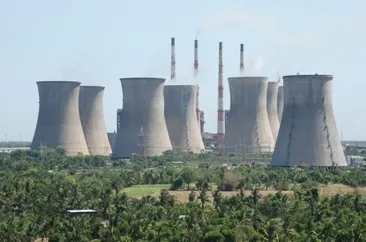
The anticipated requirement for thermal (coal and lignite) capacity by 2034-35 is approximately 307,000 MW, compared to the 211,855 MW of installed capacity as of 31.03.2023.
To fulfill this need, the Ministry of Power intends to establish an additional minimum of 97,000 MW of coal and lignite-based thermal capacity, according to the minister.
Since April 2023, around 17,360 MW of thermal capacity has been commissioned until January 20, 2026.
Moreover, 39,545 MW of thermal capacity (including 4,845 MW from stressed thermal power projects) is currently under construction.
“Contracts for 22,920 MW have been awarded and are scheduled for construction. Additionally, 24,020 MW of coal and lignite-based candidate capacity has been recognized and is at various planning stages in the country,” Naik stated.
About 12,973.5 MW of hydroelectric projects are in construction, with another 4,274 MW in various planning phases, aiming for completion by 2031-32. Furthermore, 6,600 MW of nuclear capacity is under development, expected to be finalized by 2029-30, with around 7,000 MW in different planning and approval stages.
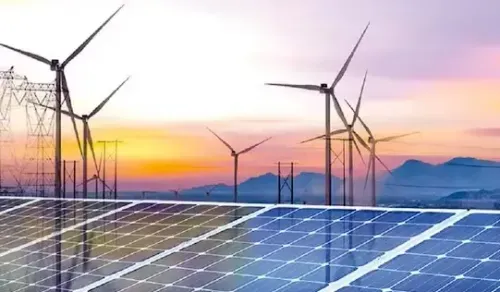
Significantly, 157,800 MW of renewable capacity, which includes 67,280 MW from solar, 6,500 MW from wind, and 60,040 MW of hybrid power, is under construction. An additional 48,720 MW of renewable capacity, comprising 35,440 MW of solar and 11,480 MW of hybrid power, is at various planning stages and aims for completion by 2029-30.
Point of View
This report highlights India's proactive measures in addressing power shortages. The government's commitment to increasing generation capacity reflects a strategic approach to meet the growing energy demands of the nation. This is a significant step towards ensuring energy security and sustainability, aligning with global energy trends.
NationPress
27 Sept 2026
Frequently Asked Questions
What is the current installed power generation capacity in India?
As of now, India's installed power generation capacity stands at 513.730 GW .
How much new generation capacity has been added since April 2014?
Since April 2014, the government has added 289.607 GW of new generation capacity.
What was the peak demand met in the last year?
The country successfully met an all-time peak demand of 250 GW last year.
What are the projections for installed generation capacity by 2031-32?
The National Electricity Plan estimates that installed generation capacity will reach 874 GW by 2031-32.
What is the expected thermal capacity requirement by 2034-35?
The projected thermal capacity requirement is approximately 307,000 MW by 2034-35.