India's renewable energy capacity hits 288.58 GW, up fourfold since 2014
Synopsis
India's renewable energy capacity has nearly quadrupled in twelve years — from 76.38 GW to 288.58 GW — with solar alone accounting for 162.15 GW. With ₹12.32 lakh crore in domestic financing and USD 45.72 billion in FDI deployed since 2014, the numbers tabled in Parliament reveal not just a capacity story, but a financing revolution that is now reshaping India's industrial competitiveness.
Key Takeaways
India's renewable energy capacity reached 288.58 GW as of 30 June 2026 , up from 76.38 GW in 2014 — a near-fourfold increase.
Solar power leads with 162.15 GW , followed by wind at 57.44 GW and hydropower at 57.24 GW .
Total non-fossil fuel capacity , including 8.78 GW of nuclear, stands at 297.36 GW .
The sector attracted USD 45.72 billion in FDI and ₹12.32 lakh crore in domestic financing between FY 2014 and FY 2026 .
Renewable energy contributed nearly one-third of India's record peak power demand of 256 GW .
India targets 500 GW of non-fossil fuel capacity by 2030 ; next phase focuses on storage, green hydrogen, and offshore wind.
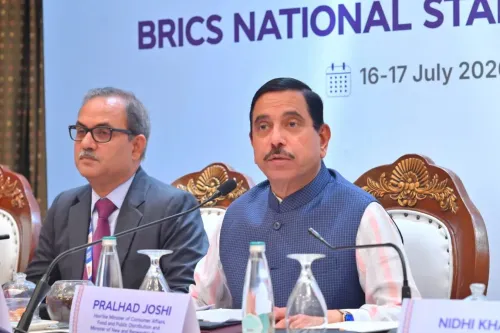
India's installed renewable energy capacity has surged nearly fourfold — from 76.38 GW in 2014 to 288.58 GW as of 30 June 2026 — according to data tabled in Parliament on 21 July 2026. The figures, shared by Minister of State for New and Renewable Energy Shripad Yesso Naik in a written reply to a question in the Rajya Sabha, underscore the scale of India's clean energy build-out over the past decade.
Breakdown by Source
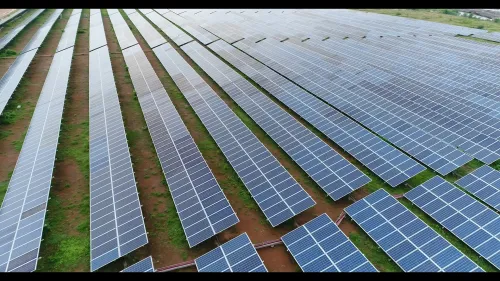
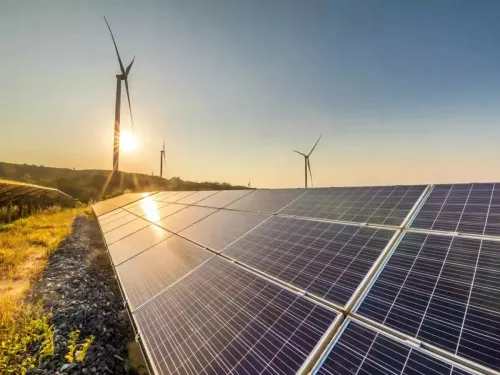
Solar power dominates the mix with an installed capacity of 162.15 GW, making it the single largest contributor to India's renewable portfolio. Wind power follows at 57.44 GW, with hydropower close behind at 57.24 GW. The remaining 11.75 GW is contributed by bio power, according to Naik's statement.
When nuclear capacity of 8.78 GW is added, India's total non-fossil fuel electricity capacity stands at 297.36 GW as of 30 June 2026.
Investment Inflows Into the Sector
Between FY 2014 and FY 2026, the renewable energy sector attracted USD 45.72 billion in Foreign Direct Investment. Domestic financial institutions — including 12 public sector banks, IREDA, PFC, REC, IIFCL, NaBFID, and SIDBI — collectively deployed ₹12.32 lakh crore into the sector over the same period, the minister stated.
On Track for 500 GW by 2030
The government asserts that India is well on course to meet its target of 500 GW of non-fossil fuel energy capacity by 2030. Capacity additions have been supported by significant advances in domestic manufacturing of solar modules and cells, reducing import dependency over time.
Notably, renewable energy now contributes nearly one-third of India's highest-ever recorded peak power demand of 256 GW, signalling its growing role in real-time grid management.
What the Next Phase Requires
The government has indicated that the next growth phase will demand deeper integration of generation, storage, and transmission systems, alongside enhanced grid resilience. Emerging priorities include green hydrogen, battery storage, pumped hydro, offshore wind, and round-the-clock renewable energy solutions.
Renewable energy is also increasingly shaping industrial competitiveness, with sectors such as steel, aluminium, chemicals, automotive, and textiles integrating clean power into their supply chains. The shift points to a structural alignment between India's decarbonisation agenda and its industrial policy.
Point of View
But the harder question is whether capacity is translating into reliable, affordable electricity. India's peak demand hit 256 GW and renewables covered one-third — a meaningful share, but intermittency means the remaining two-thirds still leans on coal and gas. The 500 GW target by 2030 is arithmetically achievable given current addition rates, yet storage deployment and grid infrastructure remain the binding constraints that policy announcements have repeatedly underestimated. The ₹12.32 lakh crore in domestic financing is the more underreported story — it signals that Indian capital markets are now structurally committed to the energy transition, which changes the risk calculus for the next phase.
NationPress
20 Oct 2026
Frequently Asked Questions
What is India's total renewable energy capacity as of 2026?
India's installed renewable energy capacity stood at 288.58 GW as of 30 June 2026, according to data tabled in Parliament. When nuclear power (8.78 GW) is included, total non-fossil fuel electricity capacity reaches 297.36 GW.
Which energy source contributes the most to India's renewable capacity?
Solar power is the largest contributor, with an installed capacity of 162.15 GW as of June 2026. Wind power accounts for 57.44 GW and hydropower for 57.24 GW, with bio power making up the remaining 11.75 GW.
How much investment has India's renewable energy sector received since 2014?
Between FY 2014 and FY 2026, the sector attracted USD 45.72 billion in foreign direct investment. Domestic institutions including public sector banks, IREDA, PFC, and REC deployed an additional ₹12.32 lakh crore over the same period.
Is India on track to meet its 500 GW non-fossil fuel target by 2030?
The government has stated that India is well on track to achieve 500 GW of non-fossil fuel energy capacity by 2030. The current total of 297.36 GW — including renewables and nuclear — means the country needs to add roughly 200 GW more in under four years.
What are the priorities for India's next phase of renewable energy growth?
The government has identified green hydrogen, battery storage, pumped hydro, offshore wind, and round-the-clock renewable solutions as the focus areas for the next phase. Deeper integration of generation, storage, and transmission systems, along with stronger grid resilience, are also cited as requirements.