₹3,500 crore Amarnath Yatra road plan: DPR for 60-km route underway
Synopsis
A single meeting chaired by a Union minister has put a staggering infrastructure bet on the table for Jammu and Kashmir — ₹3,500 crore for Amarnath Yatra roads, ₹30,000 crore in ropeway proposals, ₹50,000 crore in high-speed corridors, and a ₹65,000 crore highway pipeline. The scale signals that J&K connectivity is now a centrepiece of both pilgrimage politics and border security planning.
Key Takeaways
DPR being prepared for a 60-km Amarnath Yatra road project worth ₹3,500 crore , confirmed on 17 June .
54 ropeway proposals worth ₹30,000 crore received; 8 projects worth ₹16,000 crore to be taken up in the first phase, including at the Amarnath cave shrine.
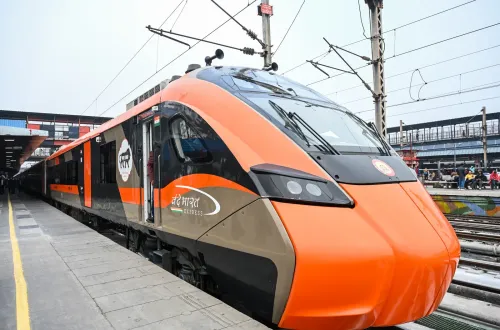
Four high-speed highway corridors worth ₹50,000 crore are under construction across Jammu and Kashmir. ₹880 crore Katra Intermodal Station to integrate rail, road, and heli-services for Vaishno Devi pilgrims.
143 km of the Delhi-Amritsar-Katra Greenfield Expressway in J&K, worth ₹11,500 crore , targeted for completion by August 2027 .
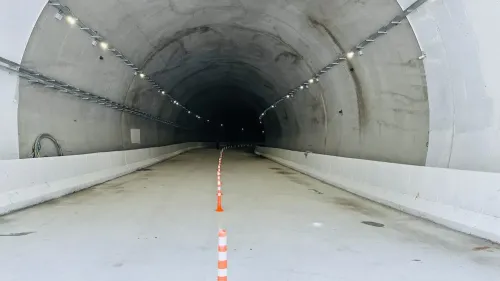
Zojila Tunnel expected to become operational by end of 2028 ; breakthrough blast initiated by Nitin Gadkari .
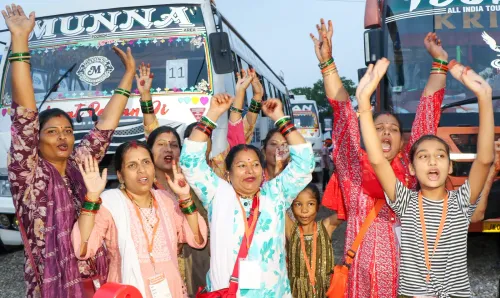
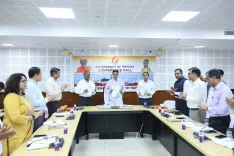
The central government is preparing a detailed project report (DPR) for a 60-km road project worth ₹3,500 crore along the Shri Amarnath Ji Yatra route in Jammu and Kashmir, officials confirmed on Wednesday, 17 June. The disclosure came during a high-level meeting chaired by Union Minister of State for Road Transport and Highways Ajay Tamta, signalling a significant push to modernise pilgrimage and tourism infrastructure across the region.
Amarnath Road Project and Key Pilgrimage Links
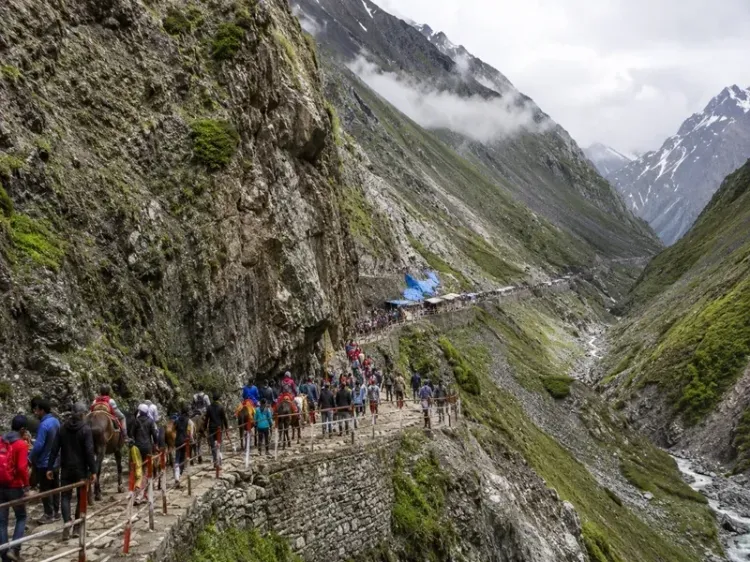
The ₹3,500 crore road project forms part of a broader initiative to upgrade connectivity for the annual Amarnath Yatra, which draws hundreds of thousands of pilgrims to the 3,880-metre-high holy cave shrine each year. Separately, the ₹880 crore Katra Intermodal Station is being developed to integrate rail, road, and heli-services for devotees visiting Shri Mata Vaishno Devi.
The 670-km Delhi-Amritsar-Katra Greenfield Expressway, estimated at ₹41,000 crore, will further strengthen pilgrimage connectivity. Within Jammu and Kashmir, 143 km of the expressway worth ₹11,500 crore is slated for completion by August 2027, cutting the Delhi-Katra distance by 58 km.
Ropeway Network Worth ₹30,000 Crore
Officials informed the meeting that 54 ropeway proposals worth ₹30,000 crore have been received for Jammu and Kashmir. Of these, eight projects worth ₹16,000 crore are to be taken up in the first phase, covering sites including the Amarnath cave shrine, Shankaracharya Temple, Thajiwas Glacier, Bhadarwah, Sanasar, and Doodhpathri. This represents one of the largest ropeway investment programmes proposed for any single union territory.
High-Speed Corridors and Ring Roads
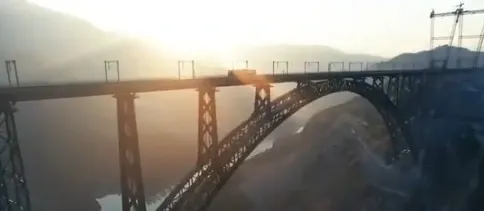
Four high-speed corridors worth a combined ₹50,000 crore are currently under construction — spanning Jammu-Udhampur-Srinagar, Jammu-Chenani-Anantnag, Srinagar-Baramulla-Uri, and Jammu-Akhnoor. These corridors are expected to improve access to the Kashmir Valley, Chenab Valley, Rajouri-Poonch, North Kashmir, and key border areas, benefiting tourism, trade, and defence mobility.
Urban mobility is also being addressed through ring roads. The 104-km Srinagar Ring Road, costing ₹7,200 crore, will divert city traffic and improve links to Baramulla, Kupwara, Bandipora, Gurez, Kargil, and Leh. The 58-km Jammu Ring Road is nearing completion with 53 km already operational, while a DPR is underway for the 33-km Eastern Jammu Ring Road.
Next Phase: ₹65,000 Crore Pipeline
The next phase of highway development includes DPRs for 707 km of highways worth ₹65,000 crore. Key upcoming projects include the 125-km Katra-Srinagar High-Speed Corridor, the Rafiabad-Kupwara-Tangdhar route featuring the Sadhna Tunnel, the Surankote-Bufliaz-Doodhpathri-Magam corridor with the Peer Ki Gali Tunnel, Samba-Mansar-Udhampur four-laning, the Srinagar-Sonamarg-Gumri corridor, and new service roads and underpasses on the Srinagar-Qazigund stretch.
Zojila Tunnel and Senior Leadership Presence
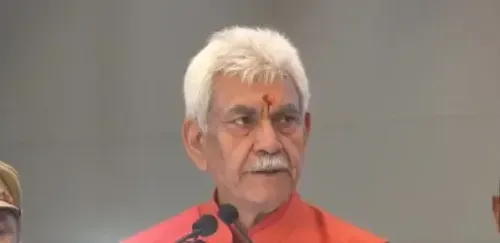
Union Minister of Road Transport and Highways Nitin Gadkari outlined several of these projects during his recent visit to the Zojila Tunnel, where he initiated the breakthrough blast. J&K Lieutenant Governor Manoj Sinha and Chief Minister Omar Abdullah accompanied Gadkari at the event. The Zojila Tunnel is expected to become operational by the end of 2028, providing all-weather connectivity to Ladakh.
Taken together, the projects outlined at the meeting represent an infrastructure commitment running into several lakh crore rupees — a scale that, if executed on schedule, would fundamentally reshape connectivity across Jammu and Kashmir.
Point of View
Seasonal closures, and security constraints have historically stretched timelines and budgets on projects of far smaller scope. The Zojila Tunnel, for instance, has been in the works for years. The real measure of this push will be whether the ropeway and high-speed corridor deadlines hold — and whether pilgrimage access improvements translate into verifiable economic uplift for local communities, not just headline investment figures.
NationPress
17 Sept 2026
Frequently Asked Questions
What is the ₹3,500 crore Amarnath Yatra road project?
It is a proposed 60-km road project along the Shri Amarnath Ji Yatra route in Jammu and Kashmir, for which a detailed project report (DPR) is currently being prepared. The project aims to strengthen pilgrimage infrastructure and was disclosed at a meeting chaired by Union Minister of State Ajay Tamta on 17 June.
What is the Zojila Tunnel and when will it open?
The Zojila Tunnel is a strategic all-weather tunnel project in Jammu and Kashmir designed to provide year-round connectivity to Ladakh. Union Minister Nitin Gadkari recently initiated its breakthrough blast, and the tunnel is expected to become operational by the end of 2028.
How many ropeway projects are planned for Jammu and Kashmir?
A total of 54 ropeway proposals worth ₹30,000 crore have been received for Jammu and Kashmir. Eight projects worth ₹16,000 crore will be taken up in the first phase, covering sites including the Amarnath cave shrine, Shankaracharya Temple, Thajiwas Glacier, Bhadarwah, Sanasar, and Doodhpathri.
What is the Katra Intermodal Station?
The Katra Intermodal Station is a ₹880 crore facility being developed to integrate rail, road, and heli-services for pilgrims visiting Shri Mata Vaishno Devi. It is part of the broader pilgrimage and tourism infrastructure upgrade for Jammu and Kashmir.
When will the Delhi-Amritsar-Katra Greenfield Expressway section in J&K be completed?
The 143-km section of the Delhi-Amritsar-Katra Greenfield Expressway within Jammu and Kashmir, worth ₹11,500 crore, is targeted for completion by August 2027. Once complete, it will reduce the Delhi-Katra distance by 58 km.