India to Launch 100-Day Initiative for World TB Day 2026
Synopsis
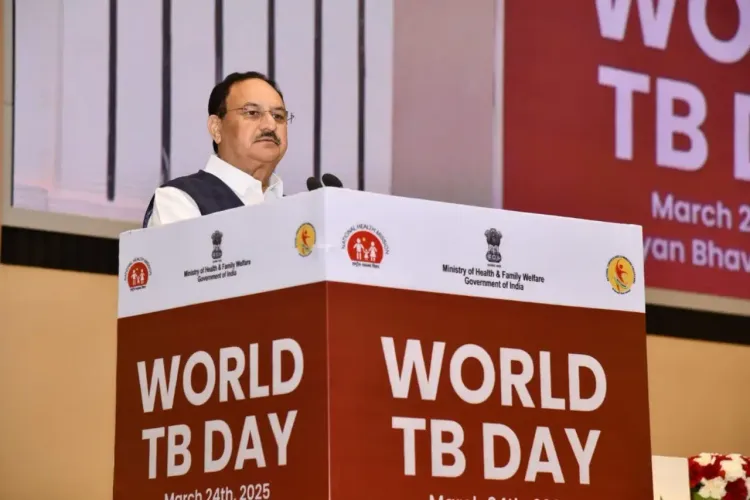
On March 24, 2026, India will honor World Tuberculosis Day with a significant event focusing on eliminating TB. This initiative highlights the country’s commitment to innovative strategies and community engagement under the National Tuberculosis Elimination Programme.
Key Takeaways
Event on March 24, 2026, to mark World TB Day.
Focus on community engagement and innovative strategies.
Launch of TB Mukt Bharat App and Urban Ward Initiative.
Shorter treatment regimens proven more effective and cost-efficient.
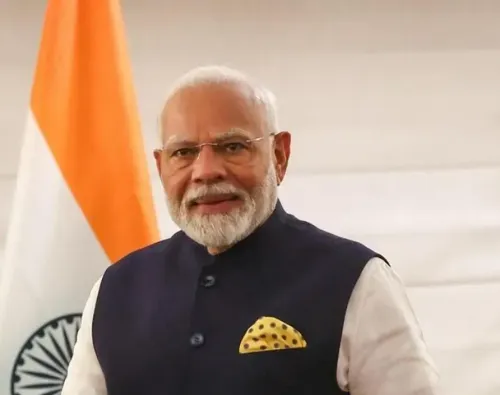
The event aligns with PM Modi's vision of a TB-free India.
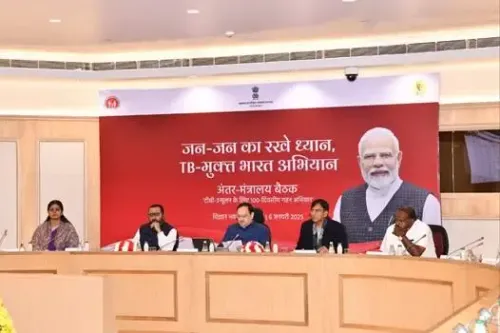
New Delhi, March 23 (NationPress) The government is preparing to celebrate World Tuberculosis (TB) Day 2026 with a national event scheduled for March 24. This initiative aims to highlight significant accomplishments, innovative approaches, and enhanced community involvement under the National Tuberculosis Elimination Programme (NTEP), as stated in an official announcement on Monday.
The event will take place at Gautam Buddha University in Greater Noida, Uttar Pradesh, and it will emphasize India’s swift advancements towards eliminating TB, aligning with Prime Minister Narendra Modi’s vision of a TB-Mukt Bharat, according to the Ministry of Health and Family Welfare.
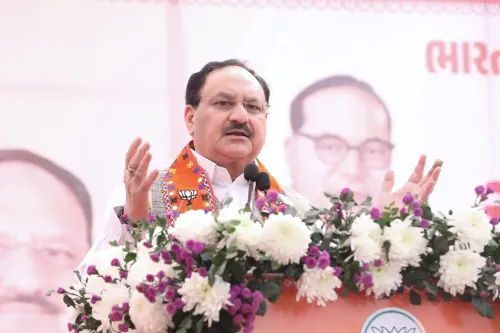
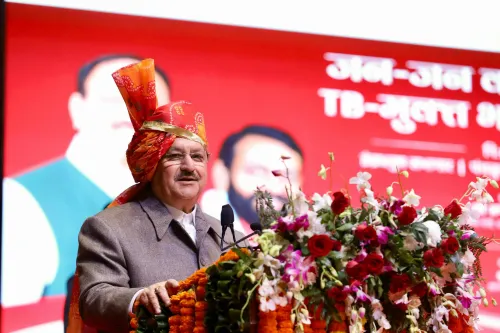
Union Health Minister JP Nadda will inaugurate the focused and intensified 'TB Mukt Bharat Abhiyaan – 100 Days Campaign' and also launch the TB Mukt Bharat App along with the TB Mukt Urban Ward Initiative.
These initiatives are designed to boost case detection, enhance treatment adherence, and fortify the last-mile delivery of TB services, particularly in high-burden regions, the statement further noted.
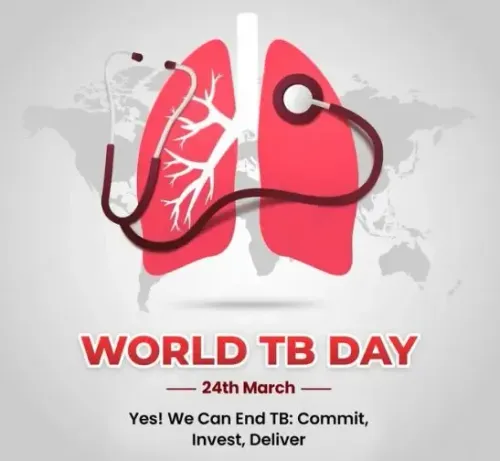
This campaign echoes the theme of World TB Day 2026 — “Yes! We Can End TB!” showcasing India’s renewed pledge to intensify the battle against TB.
The gathering will include ministers, senior officials from both Union and State governments, public health experts, development partners, healthcare professionals, and community representatives.
The event will reaffirm the commitment to enhancing multi-sectoral collaboration and employing evidence-based strategies aimed at eradicating TB.
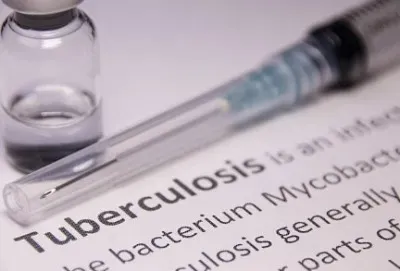
Recently, the government emphasized that shorter, all-oral treatment regimens for multidrug-resistant and rifampicin-resistant tuberculosis (MDR/RR-TB) are both cost-effective and yield superior health outcomes compared to longer regimens.
According to an ICMR Study, the Ministry of Health and Family Welfare reported that with shorter regimens, “for each additional Quality Adjusted Life Year (QALY) gained, the health system spends Rs 379 less per patient compared to the standard regimen, indicating improved health outcomes at reduced costs.”
Point of View
This event represents a pivotal step in India's ongoing battle against tuberculosis. It underscores a unified commitment across sectors to combat this public health challenge and reinforces the necessity of community engagement and innovative solutions.
NationPress
22 Sept 2026
Frequently Asked Questions
What is the main focus of the World TB Day 2026 event?
The main focus is to showcase key achievements and innovative strategies under the National Tuberculosis Elimination Programme, emphasizing community engagement in eliminating TB.
Who will inaugurate the TB Mukt Bharat campaign?
Union Health Minister JP Nadda will inaugurate the TB Mukt Bharat Abhiyaan – 100 Days Campaign.
Where will the World TB Day event take place?
The event will be held at Gautam Buddha University in Greater Noida, Uttar Pradesh.
What are the benefits of shorter TB treatment regimens?
Shorter treatment regimens for multidrug-resistant TB are cost-effective and provide better health outcomes than longer regimens.
What is the theme of World TB Day 2026?
The theme is 'Yes! We Can End TB!', reflecting India's commitment to intensifying efforts against tuberculosis.