India Supports Global South in Creating an Advanced Energy Sector
Synopsis
The Bharat Electricity Summit marks a significant milestone as India commits to a robust energy framework, enhancing partnerships with the Global South. With ambitious targets and groundbreaking initiatives, the summit paves the way for a sustainable energy future.
Key Takeaways
India reaffirms its commitment to a future-ready energy sector.
The Indian Carbon Market Portal is set to launch soon.
Ambitious target of 500 GW non-fossil fuel capacity by 2030.
Strong collaboration potential with African nations.
Major investments required for energy transition by 2070.
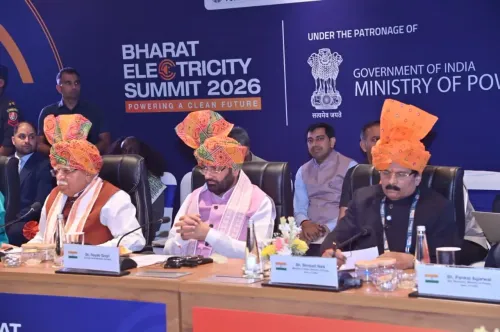
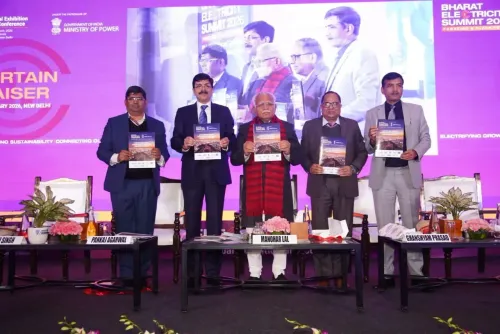
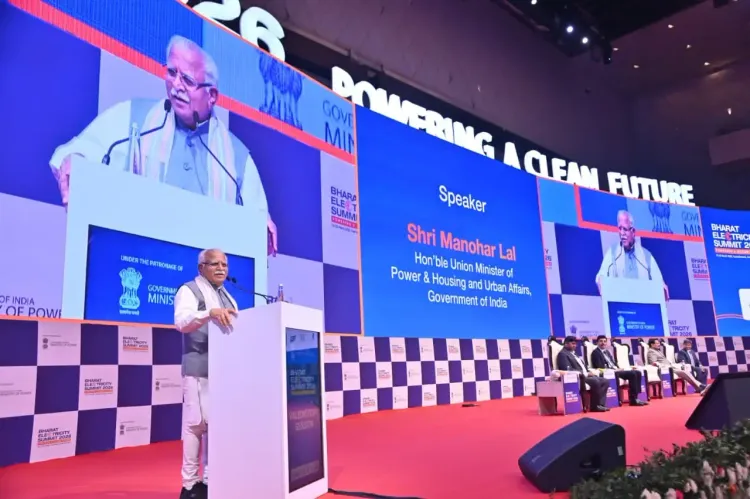
New Delhi, March 22 (NationPress) The inaugural Bharat Electricity Summit (BES) wrapped up successfully on Sunday, with India reiterating its dedication to establishing a future-ready, technology-driven, and investment-friendly energy framework while addressing the energy demands of both the country and the Global South.
The launch of the Indian Carbon Market Portal was also announced, with trading anticipated to commence shortly, signifying a pivotal advancement in climate financing.
The summit's outcomes are expected to play a crucial role in shaping policies, enhancing partnerships, and hastening the shift towards a dependable, affordable, and clean energy future, as stated in an official announcement.
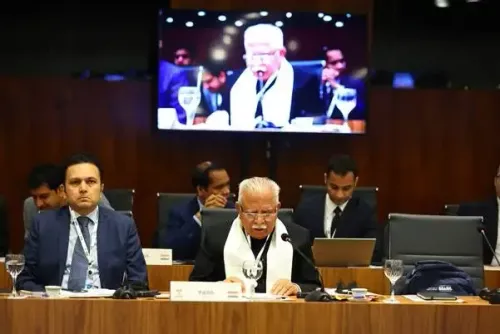
During his closing remarks, Power Minister Manohar Lal highlighted the productive exchanges with numerous countries, particularly those in Africa. It was evident that there exists a reciprocal opportunity for collaboration between India and African nations in the power sector and beyond.
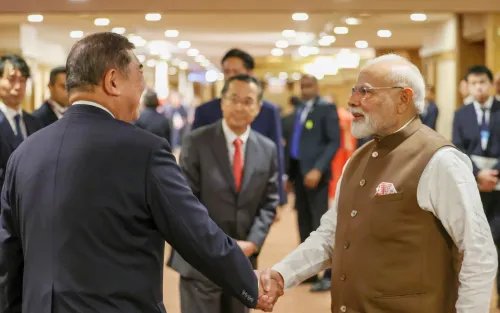
High-level bilateral discussions occurred with nations including Malawi, Tajikistan, Mauritius, Kyrgyzstan, and Russia, alongside industry leaders such as Africa50 and various international delegations. These dialogues focused on cross-border electricity commerce, renewable energy partnerships, and the development of transmission infrastructure.
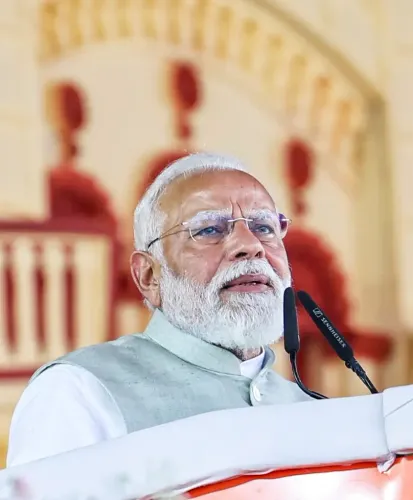
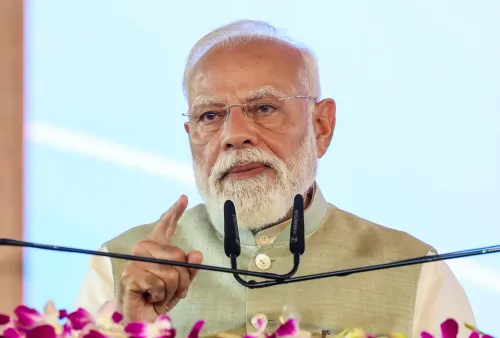
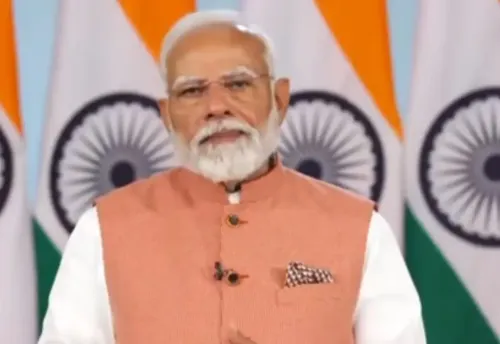
Inspired by Prime Minister Narendra Modi's vision, India is making significant strides towards realizing a target of 500 GW of non-fossil fuel capacity by 2030, having already surpassed the milestone of over 50% non-fossil capacity. Initiatives like One Sun, One World, One Grid further emphasize India’s commitment to global energy collaboration, as noted by Manohar Lal.
While thermal energy remains essential for grid stability, renewable energy is set to drive long-term sustainability, bolstered by advancements in storage, grid modernization, and necessary policy reforms, he added.
The nation’s total installed power capacity has exceeded 520 GW, positioning it among the fastest-growing globally. The transmission network has expanded to over 500,000 circuit kilometers. Renewable energy capacity has seen remarkable growth, with solar capacity skyrocketing from 2.8 GW in 2014 to over 143 GW today.
Electricity demand is projected to surge by over 30% by 2030, driven by emerging sectors such as AI-driven data centers and electric mobility.
Addressing attendees, Power Secretary Pankaj Agarwal pointed out that discussions with industry representatives indicate an estimated Rs 32,000 crore capital expenditure pipeline by manufacturers in the electricity sector. He stressed the importance of evaluating power costs at a systemic level to ensure affordability and highlighted the urgent need to rapidly enhance energy storage capacities for effective renewable energy integration.
The discussions revealed that India’s long-term energy transition may necessitate investments exceeding USD 22 trillion by 2070, offering substantial opportunities in generation, transmission, storage, and digital infrastructure.
India needs to add over 137,000 circuit kilometers of transmission lines by 2030, with an investment of approximately Rs 9 lakh crore. Energy storage needs are expected to rise sharply, with pumped storage potential exceeding 200 GW.
Manohar Lal remarked on the necessity to strengthen DISCOMs through various actions and reforms. He mentioned that during the summit, DISCOMs expressed strong readiness to implement necessary measures to enhance their operations and financial health. The intended reforms in the sector include the adoption of smart meters, cost-reflective tariffs, and more.
The summit was met with remarkable enthusiasm, attracting over 35,000 exhibition participants, representatives from 28 states and Union Territories, over 200 exhibiting companies—including more than 80 startups—and more than 6,000 delegates, highlighting its global importance.
The minister also announced that the next edition of BES is scheduled for 2028 in Gandhinagar.
Point of View
The Bharat Electricity Summit underscores India's emerging role as a leader in the global energy transition. The commitment to renewable energy and collaboration with the Global South reflects a strategic approach to sustainable development.
NationPress
22 Sept 2026
Frequently Asked Questions
What was the main outcome of the Bharat Electricity Summit?
The summit reaffirmed India's commitment to building a future-ready energy ecosystem while launching the Indian Carbon Market Portal and enhancing partnerships with Global South countries.
What is India's target for non-fossil fuel capacity by 2030?
India aims to achieve 500 GW of non-fossil fuel capacity by 2030.
How has India's renewable energy capacity changed recently?
India's solar capacity has grown from 2.8 GW in 2014 to over 143 GW today.
What investments are needed for India's energy transition by 2070?
India's long-term energy transition may require investments exceeding USD 22 trillion by 2070.
When is the next Bharat Electricity Summit scheduled?
The next edition of the Bharat Electricity Summit is scheduled for 2028 in Gandhinagar.