India Unveils New Incentives for Mobile Phone Manufacturing After PLI Scheme Conclusion

Synopsis
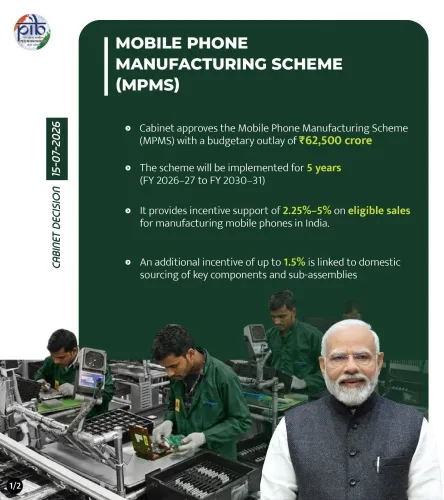
India is poised to introduce a fresh set of incentives to enhance local mobile phone manufacturing following the expiration of its PLI scheme, a move that could significantly benefit major global brands like Apple and Samsung.
Key Takeaways
New Incentives: India plans fresh incentives to support mobile manufacturing.
Global Impact: Major brands like Apple and Samsung are set to benefit.
Economic Strategy: This initiative aligns with Modi's vision for self-reliance.
Production Growth: India's mobile phone output reached nearly $60 billion in 2024-25.
Export Surge: Mobile phone exports increased by 127-fold during the last decade.
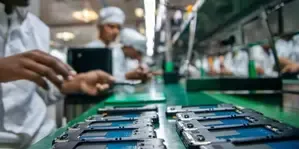
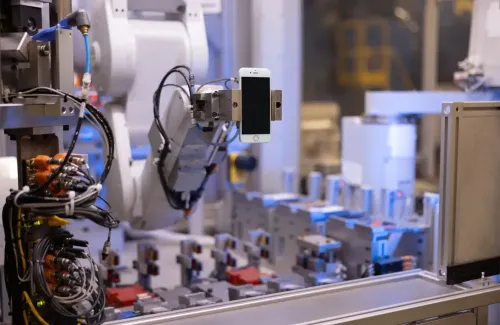
New Delhi, March 13 (NationPress) India is set to introduce a new array of incentives aimed at bolstering domestic mobile phone manufacturing following the conclusion of its flagship production-linked incentive (PLI) scheme for the sector at the end of this month.
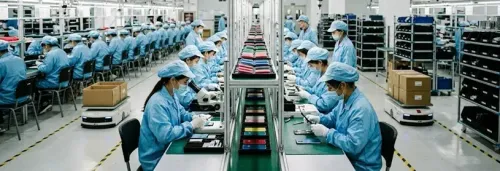
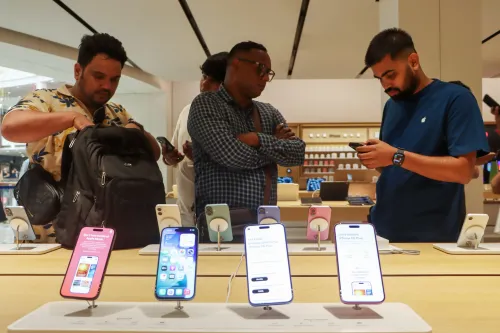
This initiative is anticipated to benefit major global smartphone manufacturers such as Apple and Samsung, both of which have significantly ramped up their production operations within the country in recent years, as reported by various sources.
The government's choice to maintain support for the industry comes at a moment when India could potentially lose some of its tariff advantages over China in exporting goods to the United States.
This shift follows the recent invalidation of a fentanyl-related tax imposed by President Donald Trump on Beijing by a U.S. court.
Enhancing smartphone manufacturing has become a central element of Prime Minister Narendra Modi's economic strategy, who has been advocating for the expansion of domestic manufacturing and strengthening India’s role in global supply chains.
The objective is to elevate the nation’s electronics manufacturing output to $500 billion by the fiscal year 2030.
Government statistics indicate that India produced nearly $60 billion worth of mobile phones in the fiscal year 2024–25, representing a remarkable 28-fold increase over the past decade.
During this same timeframe, mobile phone exports soared to approximately $21.7 billion, a staggering 127-fold increase, making smartphones the leading exported product from the country in 2025.
Officials are now contemplating linking the new incentives to export performance to further encourage globally competitive manufacturing.
The proposed scheme could potentially encompass investments starting in April this year.
Previously, leading manufacturers like Apple and Samsung depended on India’s production-linked incentive program, valued at nearly $21 billion, aimed at enabling the country to compete with China’s manufacturing supremacy.
This program played an essential role in motivating companies to boost local production.
Additionally, it allowed Apple to commence manufacturing its latest and most premium iPhone models in India, which initially focused on producing only lower-cost versions.
High tariffs imposed on Chinese products during Trump's administration also prompted some firms to relocate part of their manufacturing to India.
Point of View
This initiative signifies a strategic move by India to reinforce its manufacturing capabilities in a competitive global market, aligning with the broader vision of self-reliance and economic growth.
NationPress
29 Sept 2026
Frequently Asked Questions
What is the purpose of the new incentives for mobile manufacturing?
The new incentives aim to support and boost domestic mobile phone manufacturing after the PLI scheme ends, enhancing India's competitiveness in the global market.
Which companies will benefit from these incentives?
Global smartphone manufacturers like Apple and Samsung, who have expanded production in India, are expected to benefit significantly from these new incentives.
When is the new scheme expected to start?
The proposed scheme could potentially cover investments beginning in April this year.
How much did India produce in mobile phones last fiscal year?
India produced nearly $60 billion worth of mobile phones in the fiscal year 2024–25.
What impact did tariffs on Chinese goods have?
High tariffs on Chinese goods during Trump's presidency encouraged some companies to shift part of their production to India.