Is India the First Responder in Times of Crisis for Sri Lanka?

Synopsis
In an extraordinary display of regional solidarity, India has once again proven its commitment as Sri Lanka's first responder during a critical crisis. Following the devastating Cyclone Ditwah, both nations collaborate in humanitarian efforts, showcasing their enduring friendship and the importance of international support in rebuilding lives.
Key Takeaways
India's rapid response to Sri Lanka's crisis demonstrates regional solidarity.
Humanitarian aid includes food, water, and medical supplies.
Rescue operations are ongoing in severely affected areas.
The cyclone has left a significant impact on Sri Lanka's infrastructure and food security.
Partnerships for rebuilding and tourism recovery are crucial.
New Delhi, Dec 2 (NationPress) In a heartfelt demonstration of regional unity, India has reaffirmed its role as the first responder to Sri Lanka during this critical time, providing essential humanitarian assistance as the nation struggles with the devastating consequences of Cyclone Ditwah.
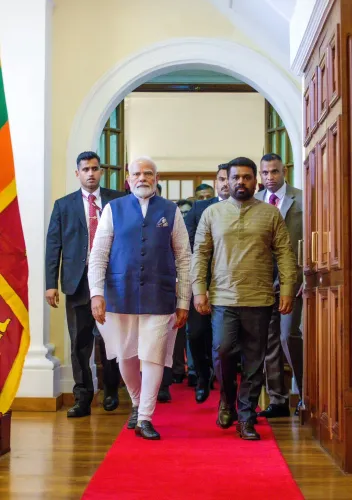
In the wake of Cyclone Ditwah, which tragically claimed over 410 lives, left 336 individuals unaccounted for, and displaced nearly 233,000 residents, India initiated “Operation Sagar Bandhu” just hours after Prime Minister Narendra Modi issued directives.
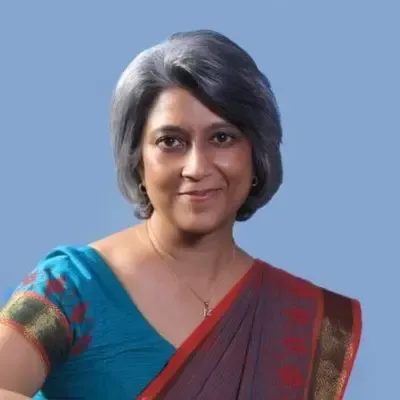
Milinda Moragoda, the Sri Lankan High Commissioner to India, clarified previous reports and expressed immense appreciation, stating, “India has always been our closest neighbour and best friend, prioritizing Sri Lanka's welfare. Even when facing its own difficulties, India's commitment to facilitate this aid is a remarkable act of kindness.”
During an exclusive interview with IANS in New Delhi, High Commissioner Moragoda emphasized the island nation's heartfelt gratitude for India's unwavering support.
“We are incredibly thankful to India for stepping up as a first responder once more,” he conveyed.
“From the 2004 tsunami to the economic crisis, and now with Cyclone Ditwah, India has consistently stood by our side. As we communicate, rescue and relief operations are ongoing, and India's contributions are priceless.”
He underscored the operation's immediate effects, highlighting that Indian teams are collaborating closely with Sri Lankan forces in the most severely affected areas such as Gampaha, Kandy, and Colombo, offering medical assistance, clean water, and food security amid rising threats of waterborne illnesses.
The cyclone's impact is overwhelming, with initial evaluations indicating that over 15,000 homes have been destroyed and large areas of farmland inundated, worsening food insecurity in a country still reeling from the economic downturn of 2022.
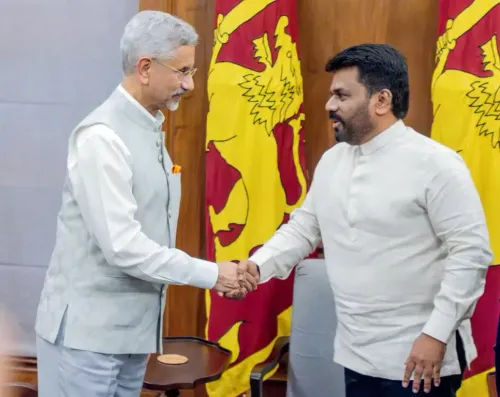
The administration of Sri Lankan President Dissanayake has called for international collaborations to aid in reconstruction, stressing resilience in vital sectors like tourism, which serves as a crucial source of foreign currency.
On this note, High Commissioner Moragoda passionately urged Indian travelers, stating, “Tourism is one of our lifelines, and Indians represent our largest visitor demographic. We would greatly appreciate their continued visits to Sri Lanka.”
In an effort to rejuvenate the industry, affected by flooded resorts and disrupted travel, free visa extensions for stranded tourists and waived flight alteration fees by airlines have been implemented.
In response to circulating rumors, the High Commissioner firmly refuted any claims regarding expired relief supplies from Pakistan, clarifying, “No, we haven't received any such reports—at least I'm not aware.”
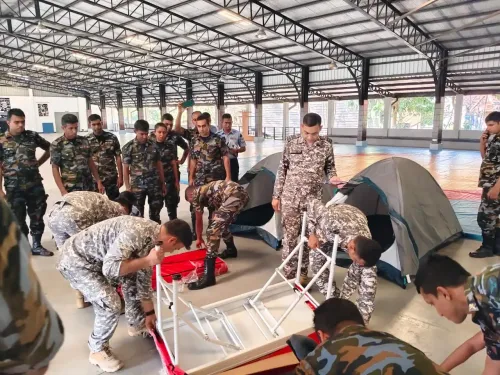
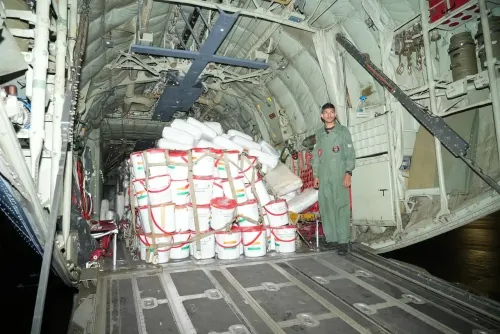
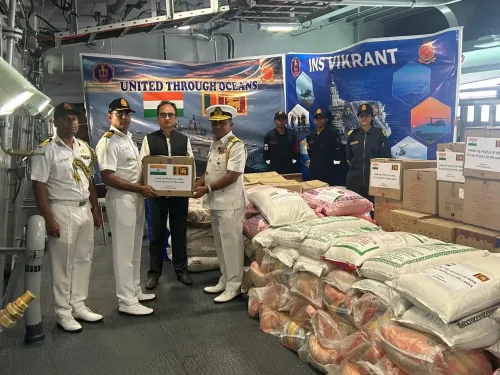
The INS Vikrant, INS Udaygiri, and Indian Air Force C-130J and IL-76 aircraft delivered over 53 tonnes of food, water, medicines, tents, blankets, and hygiene kits.
Over 80 NDRF rescuers, equipped with sniffer dogs, and Navy helicopters airlifted more than 150 stranded individuals, including foreign tourists, from flood-affected regions in Gampaha, Kandy, and the suburban areas of Colombo.
Additionally, in a remarkable act of compassion despite rivalry, India promptly granted overflight clearance to a Pakistani relief aircraft on December 1, enabling it to traverse Indian airspace to reach Colombo.
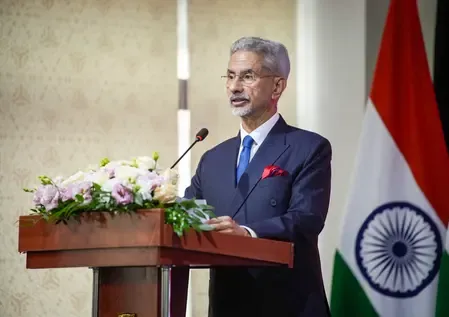
The Ministry of External Affairs later dismissed Pakistan's unfounded claims of a denial as “ridiculous misinformation,” asserting that the request was handled promptly.
Point of View
It's evident that India has consistently been a reliable partner for Sri Lanka in times of need. The ongoing support during crises, such as Cyclone Ditwah, underscores the importance of regional collaboration and the humanitarian spirit that binds these nations together. Our commitment as a nation is to always stand by our neighbors in their hour of need.
NationPress
23 Sept 2026
Frequently Asked Questions
What is Operation Sagar Bandhu?
Operation Sagar Bandhu is India's humanitarian response initiative aimed at providing aid to Sri Lanka in the wake of Cyclone Ditwah, delivering essential supplies and support.
How many lives were lost due to Cyclone Ditwah?
The cyclone tragically claimed over 410 lives, with many more missing and thousands displaced.
What kind of aid is India providing to Sri Lanka?
India is providing food, water, medicines, tents, and hygiene kits as part of its humanitarian aid efforts.
How is the tourism sector in Sri Lanka affected?
The tourism sector, a vital source of foreign currency, has been severely impacted by the cyclone, prompting calls for international support and tourist visits.
Did Pakistan provide relief materials to Sri Lanka?
The Sri Lankan High Commissioner clarified that there were no reports of expired relief materials from Pakistan, dismissing such claims as misinformation.