Thermal power plants hold 42.8 MT coal stock, enough for 14 days: Centre
Synopsis
India's thermal power plants are sitting on 42.8 MT of coal — enough for 14 days at near-full load — but the more telling detail is structural: coal still powers nearly 70% of India's electricity, even as 11,730 MW of new thermal capacity has been added in under two years and gigawatts of battery and pumped storage come online to fill the non-solar gap.
Key Takeaways
Thermal power plants held 42.8 million tonnes of coal stock as of 12 July 2026 , sufficient for 14 days at 85% PLF .
Coal and lignite plants account for 69.54% of total electricity supplied from April to June 2026 , with capacity of 230.8 GW .
9,470 MW of new thermal capacity was added in FY 2025-26 ; a further 2,260 MW commissioned in the current financial year.
A joint committee of the Ministry of Power , Ministry of Coal , and Railways monitors coal supply daily.
2,669 MW of BESS and 7,426 MW of Pumped Storage Projects commissioned to supplement thermal output during non-solar hours.
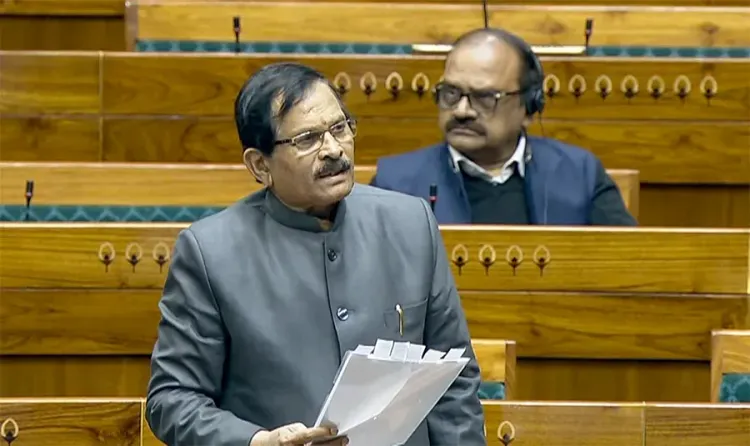
The Centre told Parliament on Monday, 20 July 2026 that thermal power plants across India held 42.8 million tonnes (MT) of usable coal stock as of 12 July 2026 — sufficient to sustain operations for 14 days at an 85 per cent Plant Load Factor (PLF). Minister of State for Power Shripad Naik confirmed in a written reply to the Rajya Sabha that daily coal supply to thermal plants is currently meeting demand without disruption.
Current Coal Position and Generation Capacity
India's coal and lignite-based generation capacity stands at approximately 230.8 GW, contributing 69.54 per cent of total electricity supplied between April and June 2026. During non-solar peak-demand hours, these plants delivered a maximum of 188.8 GW — roughly 75 per cent of the country's total generation of 251.4 GW.
This underscores thermal power's continued dominance in India's energy mix, even as renewable capacity expands. The figures also reflect the sector's critical role in bridging supply gaps during evening and overnight hours when solar generation is unavailable.
Maintenance Planning and Regulatory Oversight
Minister Naik noted that scheduled maintenance of thermal units is planned around monthly demand patterns, with a standard practice of minimising shutdowns during peak-demand months. The Central Electricity Authority (CEA) monitors and, where necessary, permits maintenance deferrals on a case-by-case basis, factoring in each plant's technical parameters.
This approach ensures that units are not taken offline during periods of high grid stress — a lesson drawn from past summers when unplanned outages coincided with demand spikes, straining the national grid.
Capacity Additions and Inter-Ministerial Coordination
The government has added 9,470 MW of thermal capacity during FY 2025-26, with a further 2,260 MW commissioned in the current financial year. Coal supply logistics are tracked daily by a joint committee comprising the Ministry of Power, the Ministry of Coal, and the Ministry of Railways.
An Inter-Ministerial Committee (IMC) — comprising the Chairman of the Railway Board, the Secretary of the Ministry of Coal, and the Secretary of the Ministry of Power — meets regularly to review coal movement to power stations. Priority status has been accorded to coal rake movement and dispatch to power houses, aimed at preventing supply bottlenecks that have periodically disrupted generation in previous years.
Energy Storage and Flexible Operations
To better integrate renewable energy into the grid, the government notified the Central Electricity Authority (Flexible Operation of Coal-based Thermal Power Generating Units) Regulations, 2023 on 30 January 2023. These regulations require all coal-based thermal units to achieve a minimum technical operating level of 40 per cent, enabling them to ramp up and down in tandem with variable solar and wind generation.
Complementing this, 2,669 MW of Battery Energy Storage Systems (BESS) and 7,426 MW of Pumped Storage Projects (PSPs) have been commissioned to date. These systems store surplus power generated during solar hours and release it during non-solar peak periods, reducing pressure on thermal plants to run at full capacity around the clock.
With coal stocks stable and inter-ministerial oversight tightened, the government's near-term focus will be on sustaining capacity additions while accelerating the energy storage pipeline ahead of the next summer demand cycle.
Point of View
But context matters: India has repeatedly entered summers with similar assurances only to face localised shortages when rake availability or logistics faltered. The real signal here is structural — coal still powers nearly 70% of India's electricity despite years of renewable push, and the government is adding thermal capacity even as it notifies flexible-operation rules to accommodate solar. The inter-ministerial monitoring mechanism is an improvement over past ad-hoc responses, but the test will come during the next demand peak. The BESS and pumped storage numbers, while growing, remain a fraction of what is needed to materially reduce coal dependence during evening hours.
NationPress
20 Oct 2026
Frequently Asked Questions
How much coal stock do India's thermal power plants currently have?
As of 12 July 2026, thermal power plants held 42.8 million tonnes of coal, sufficient for 14 days of generation at an 85 per cent Plant Load Factor, according to a government statement in the Rajya Sabha.
What share of India's electricity comes from coal-based plants?
Coal and lignite-based plants contributed 69.54 per cent of total electricity supplied between April and June 2026. Their installed capacity stands at approximately 230.8 GW, making them the dominant source in India's energy mix.
What new thermal capacity has been added recently?
The government added 9,470 MW of thermal capacity during FY 2025-26, with a further 2,260 MW commissioned in the current financial year, as part of efforts to meet rising peak-demand requirements.
How does the government ensure uninterrupted coal supply to power plants?
Coal supply is monitored daily by a joint committee of the Ministry of Power, Ministry of Coal, and Railways. An Inter-Ministerial Committee (IMC) — including the Railway Board Chairman and secretaries of the coal and power ministries — meets regularly to review logistics and prioritise coal rake movement.
What role do battery storage and pumped hydro play in India's power grid?
A combined 2,669 MW of Battery Energy Storage Systems and 7,426 MW of Pumped Storage Projects have been commissioned to store surplus solar power and release it during non-solar peak hours, reducing the burden on thermal plants to run at maximum capacity continuously.