What Insights Does the Economic Survey 2025-26 Offer for Union Budget 2026-27?

Synopsis
The Economic Survey 2025-26 provides critical insights into India's growth strategy, emphasizing the need for regulatory reforms and public investment. Can these findings shape the future of the Union Budget 2026-27? Discover how ASSOCHAM interprets these developments to bolster India's economic landscape.
Key Takeaways
Importance of regulatory quality Focus on state capacity Sustained deregulation for growth Projected 7.4% GDP growth Fiscal deficit reduction to 4.8%
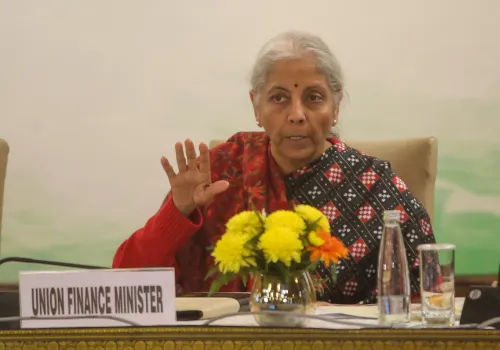
New Delhi, Jan 29 (NationPress) A crucial takeaway from the Economic Survey 2025-26 is the emphasis on regulatory quality, state capacity, and ongoing deregulation as vital components for medium-term growth, as stated by the Associated Chambers of Commerce and Industry of India (ASSOCHAM) on Thursday.
The Survey presents a well-rounded and pragmatic evaluation of India’s macroeconomic landscape, investment dynamics, labour market progress, and foreign sector performance amid global unpredictability, according to the apex industry body.
ASSOCHAM President Nirmal Kumar Minda remarked, "The Survey’s emphasis on transitioning from inspection-based regulation to trust-driven, outcome-focused governance resonates with our longstanding push for compliance simplification, minimising regulatory overlaps, and expediting approvals at both central and state levels."
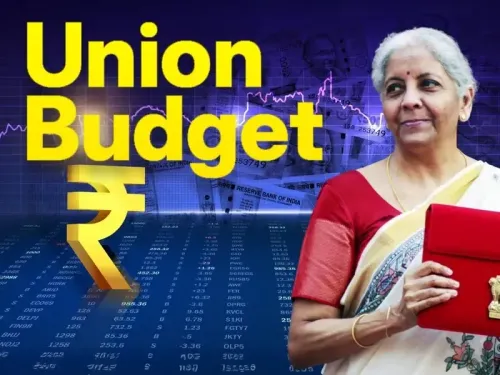
The chamber highlighted that the Survey establishes a robust analytical framework for the upcoming Union Budget 2026-27 and expressed optimism that the Budget will further embed these reform priorities to bolster investment, enhance competitiveness, and drive job creation.
Moreover, recent trade agreements with the European Union, the UK, and the EFTA are anticipated to bolster India’s merchandise and services exports while facilitating greater investment inflows and deeper integration into global markets.
Key observations from the Economic Survey indicate that India’s real GDP growth in FY25 is projected to be approximately 7.4 percent, a reduction in the fiscal deficit to 4.8 percent of GDP from pandemic highs of 9.2 percent, alongside consistent job creation and a growing workforce.
The chamber noted that the Survey aptly connects the conversion of growth into quality employment with productivity improvements, business scaling, and diminished operational frictions, especially for MSMEs and manufacturing-oriented sectors.
ASSOCHAM Secretary General Saurabh Sanyal stated, "While macroeconomic stability and public investment have created a solid groundwork, unlocking India’s enhanced growth potential will necessitate sustained progress on procedural reforms and deregulation that lower business costs and improve enterprise ease."
The Survey underscores the pivotal role of public capital expenditure in maintaining growth momentum, alongside a resurgence in private investment, with gross fixed capital formation remaining robust at 30 percent of GDP, aided by infrastructure expansion and enhanced logistics.
Point of View
It's evident that the Economic Survey 2025-26 serves as a crucial guide for policymakers. The emphasis on regulatory improvements and public investment aligns with the nation's growth objectives, fostering a conducive environment for investment and job creation. As India navigates a complex global landscape, these insights are vital for sustainable development.
NationPress
30 Sept 2026
Frequently Asked Questions
What are the key points from the Economic Survey 2025-26?
The Economic Survey emphasizes regulatory quality, state capacity, and deregulation as essential for medium-term growth, alongside projections of 7.4% GDP growth and a fiscal deficit reduction.
How will the findings impact the Union Budget 2026-27?
The insights from the Survey are expected to inform the Union Budget, prioritizing reforms to enhance investment, competitiveness, and job creation.
What role does ASSOCHAM play in this context?
ASSOCHAM advocates for regulatory reforms and compliance simplification, aiming to create a more favorable business environment in India.