What is Driving the Deadly Protests in Iran Amid Economic Crisis?
Synopsis
Recent protests in Iran, driven by economic hardship and government oppression, have resulted in tragic casualties. As the unrest escalates, the Iranian populace faces stark choices. What will happen next? This situation is evolving rapidly, making it crucial to stay informed.
Key Takeaways
Protests in Iran have escalated dramatically .
At least 27 fatalities have been reported .
Economic hardship and government repression are fueling dissent .
Ayathollah Khamenei has publicly warned protesters .
International human rights organizations are condemning actions against demonstrators .
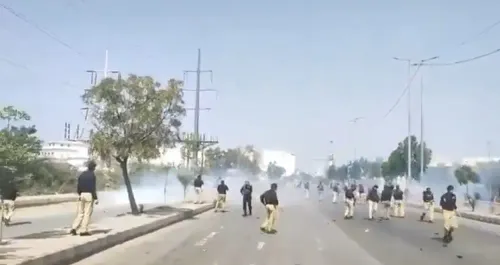
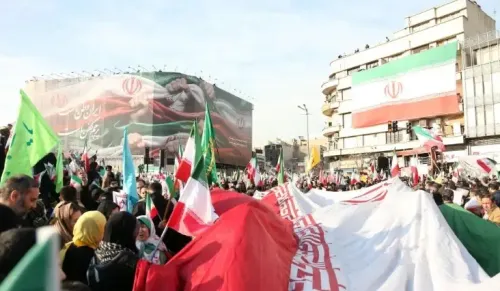
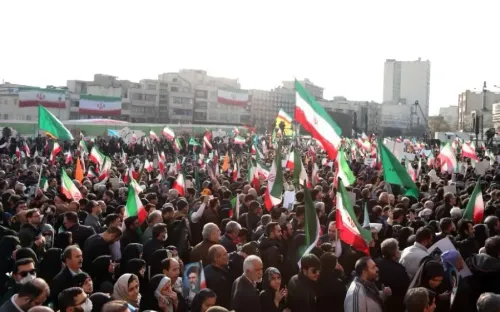
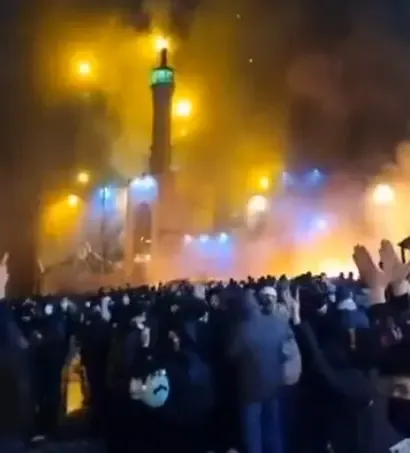
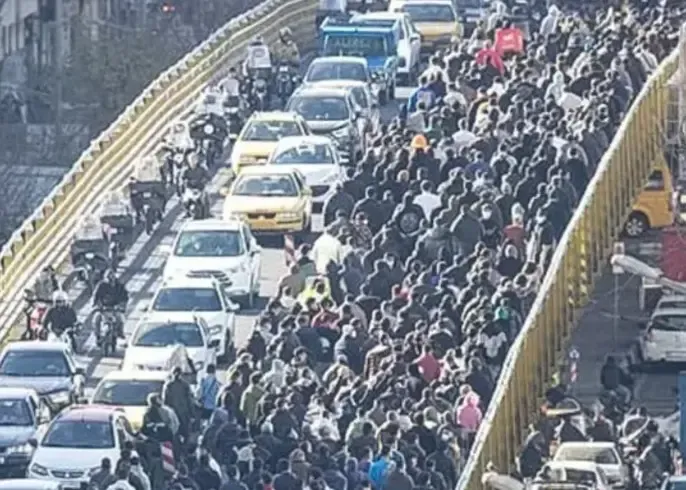
Tehran, Jan 7 (NationPress) Massive protests have erupted throughout Iran in recent days, fueled by a worsening economic crisis and various compounding issues, with reports indicating that as many as 27 individuals have lost their lives in clashes with security forces thus far.
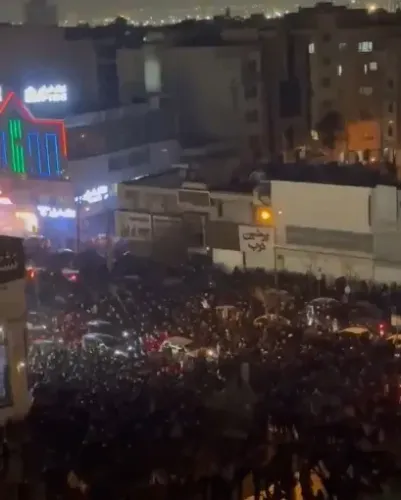
Footage spreading across social media platforms showcased large-scale protests on Tuesday night in the city of Abdanan, situated in the central province of Ilam, which has seen several significant demonstrations in the past week.
The videos depicted thousands of residents, from young children with their parents to elderly individuals, marching through the streets of this small city while chanting slogans, even as helicopters flew overhead.
It appeared that the demonstrators significantly outnumbered the security personnel present to manage the situation.
According to the Norway-based rights organization Iran Human Rights (IHR), security forces have killed at least 27 protesters, including five minors under 18.
Iranian officials have confirmed casualties among security forces as well, including a policeman who was fatally shot on Tuesday.
State-affiliated media reported that at least three individuals were killed during the unrest.
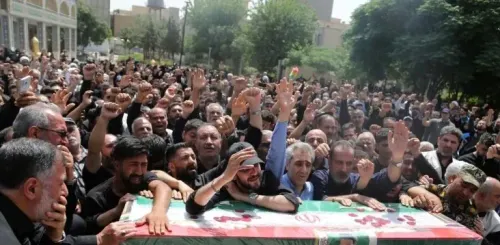
On Tuesday, they also mentioned that a police officer was shot during armed clashes that erupted following funeral processions for protesters who had died earlier.
In a response to the unrest, Iran's Supreme Leader Ayatollah Ali Khamenei publicly warned this week that those he referred to as rioters must be "put in their place".
Tensions remained high in surrounding streets and neighborhoods, where protests first began on December 28 with shopkeepers closing businesses in dissent.
Similar scenes were observed in several prominent commercial areas of Tehran on Tuesday, including Yaftabad, reflecting rising frustration over economic struggles and foreign policy priorities.
In the provincial capital, Ilam, videos showed security forces entering Imam Khomeini Hospital in an apparent attempt to identify and detain injured protesters.
The human rights organization Amnesty International stated that such actions violate international law, illustrating how far the Iranian authorities are willing to go to suppress dissent.
As the protests escalated, Iran's exiled crown prince Reza Pahlavi made his first direct appeal to the Iranian populace.
In a message shared amid the turmoil, he urged, "This Thursday and Friday, January 8th and 9th, starting precisely at 8 pm, regardless of your location, whether on the streets or in your homes, I call on you to begin chanting at that time. Based on your response, I will announce further calls to action."
This current wave of unrest is described as the most significant protest movement in the Islamic Republic since the nationwide demonstrations of 2022–2023, which were sparked by the death of Mahsa Amini while in custody after being detained for allegedly breaching Iran's strict dress code for women.
Point of View
It is essential to recognize the underlying issues fueling these protests. The Iranian people's frustrations stem from a combination of economic despair and governmental repression, leading to a critical juncture in the history of the Islamic Republic. As the situation develops, it is vital to remain impartial and focus on the facts while ensuring that the voices of the affected are heard.
NationPress
30 Sept 2026
Frequently Asked Questions
What sparked the recent protests in Iran?
The protests were ignited by a combination of economic downturn and governmental repression, leading to significant public outrage.
How many people have died in the protests?
Reports indicate that at least 27 individuals have been killed in clashes with security forces.
What did Ayatollah Ali Khamenei say about the protests?
He issued a warning that those he referred to as rioters must be 'put in their place'.
What is the international response to the protests?
Organizations like Amnesty International have condemned the Iranian authorities' actions as violations of international law.
Who is Reza Pahlavi?
Reza Pahlavi is the exiled crown prince of Iran and has made a call for action among the Iranian populace amid the unrest.