Will Iran Deliver a 'Decisive' Response to Military Aggression?
Synopsis
Iran's UN ambassador warns of a strong military response to aggression, citing rights under the UN Charter. As tensions rise due to US actions, the call for urgent intervention from the UN highlights the delicate geopolitical landscape.
Key Takeaways
Iran asserts its right to self-defense under the UN Charter.
Military aggression could lead to direct conflict with the US.
Diego Garcia's strategic importance is under scrutiny due to recent statements by US officials.
Diplomatic solutions are emphasized as crucial for regional stability.
Urgent action from the UN is called for to prevent escalation.
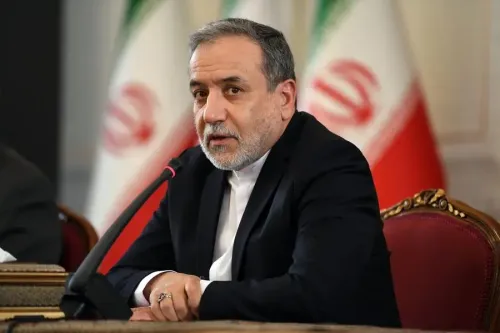
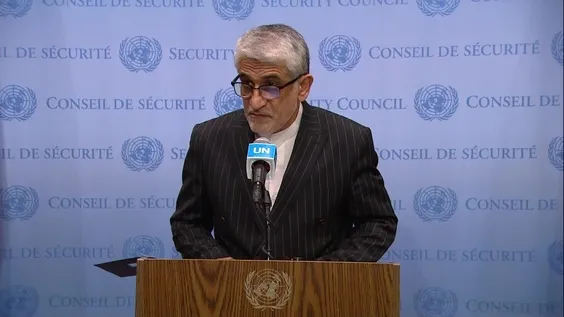
United Nations, Feb 20 (NationPress) Iran has stated it will respond "decisively and proportionately" to any military aggression, invoking its right to self-defense as outlined in the UN Charter. This assertion came from Iran's UN ambassador, Amir Saeid Iravani, in a communication addressed to the Secretary-General and the President of the Security Council.
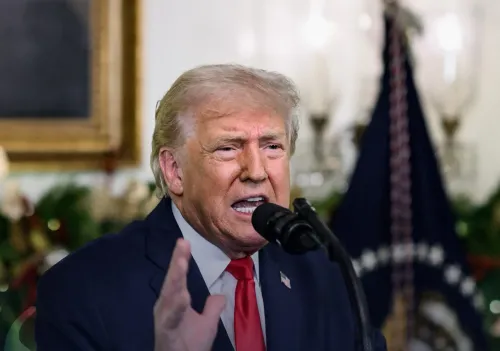
In light of remarks made by US President Donald Trump regarding Diego Garcia, Iravani emphasized: "In such circumstances, all bases, facilities, and assets of the hostile force in the region would constitute legitimate targets in the context of Iran's defensive response. The United States would bear full and direct responsibility for any unpredictable and uncontrolled consequences."
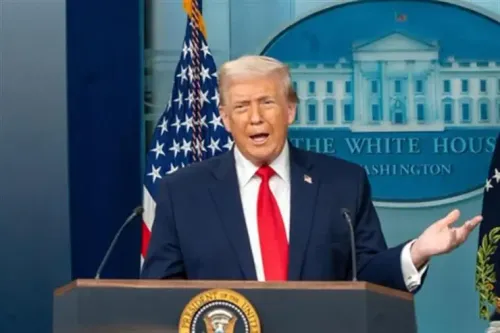
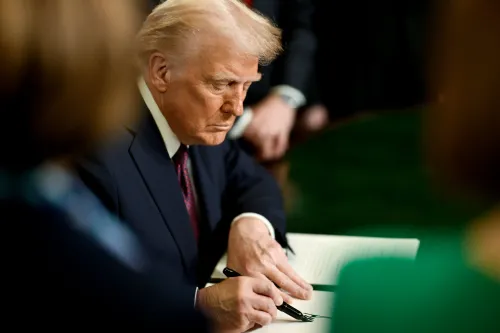
On Wednesday, Trump characterized Britain’s lease of Diego Garcia, a crucial US-British military installation in the Indian Ocean's Chagos archipelago, as a "big mistake," suggesting that "it may be necessary for the United States to use Diego Garcia" if nuclear negotiations with Iran do not succeed. A deal struck in May 2025 saw Britain agree to relinquish sovereignty of the Chagos Islands to Mauritius while leasing Diego Garcia back for 99 years at an annual cost of £101 million ($136 million), according to reports from Xinhua news agency.
The letter warned, "Given the volatile situation in the region and the persistent movement and build-up of military equipment and assets by the United States, such a belligerent statement ... must not be treated as mere rhetoric. It signals a real risk of military aggression."
It urged the Security Council and the Secretary-General to take immediate action before the situation escalates, cautioning that "threats of force and acts of aggression must not be normalized, legitimized, or treated as instruments of foreign policy."
Furthermore, Iran reiterated its desire for a mutually beneficial, results-oriented resolution in the nuclear talks with the United States, stating: "Should the United States likewise approach these talks with seriousness and sincerity and demonstrate genuine respect for the principles of the Charter of the United Nations and the peremptory norms of international law, the achievement of a durable and balanced solution would be entirely possible."
Point of View
It is clear that Iran's warning is a significant indicator of the rising tensions in the region. The international community must recognize the potential consequences of military aggression and the importance of diplomatic dialogue to ensure stability.
NationPress
12 Oct 2026
Frequently Asked Questions
What did Iran's ambassador state regarding military aggression?
Iran's ambassador stated that the country would respond 'decisively and proportionately' to any military aggression.
What is the significance of Diego Garcia in this context?
Diego Garcia is a vital US-British military base, and its use has been linked to potential military actions against Iran.
What does Iran seek in nuclear talks with the US?
Iran seeks a mutually acceptable solution and emphasizes the need for seriousness and respect from the US in the negotiations.