Will Top Iranian Security Official Visit Oman Following Iran-US Nuclear Discussions?
Synopsis
As tensions rise in the region, Iran's top security official is set to engage with Omani leaders to discuss pivotal nuclear negotiations with the U.S. This visit underscores Oman's crucial role as a mediator, revealing the complexities of international relations and Iran's steadfast approach to its nuclear rights.
Key Takeaways
Ali Larijani leads a delegation to Oman for key discussions.
Oman plays a crucial role in mediating Iran-US nuclear talks .
Iran maintains its nuclear rights under the Nuclear Nonproliferation Treaty .
The U.S. continues to impose sanctions on Iran.
Diplomatic engagement reflects cautious crisis management.
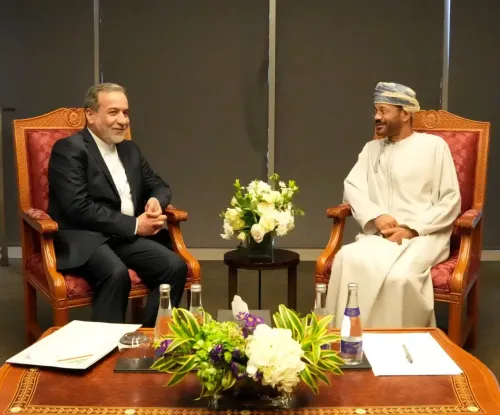
Tehran, February 9 (NationPress) - Ali Larijani, the secretary of Iran's Supreme National Security Council (SNSC), is set to head a delegation to the Omani capital of Muscat on Tuesday, as reported by the SNSC-affiliated Nour News.
During this visit, Larijani will engage with senior Omani officials to deliberate on both regional and international developments, in addition to enhancing bilateral relations, according to the news outlet.
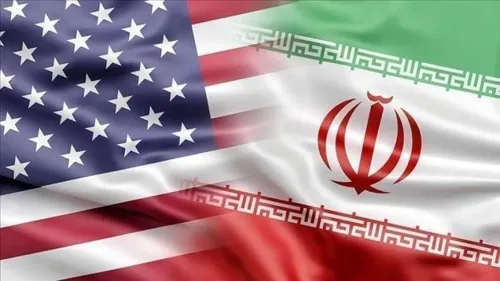
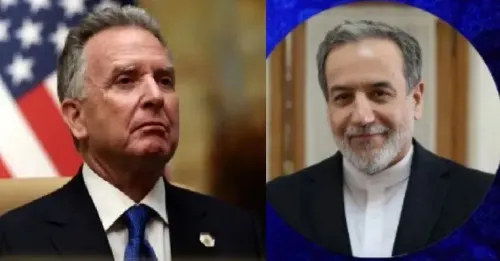
This trip follows Oman's role in hosting and facilitating a round of indirect nuclear negotiations between Iran and the United States last Friday, as noted by the Xinhua news agency. Given the rising tensions between the two countries, Oman is viewed as a potential venue for upcoming discussions.
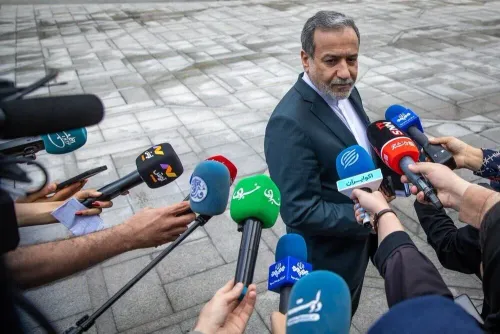
Iranian Foreign Minister Seyed Abbas Araghchi stated during a press conference in Tehran on Sunday that the date and location for the next phase of nuclear negotiations will be established through discussions with Oman.
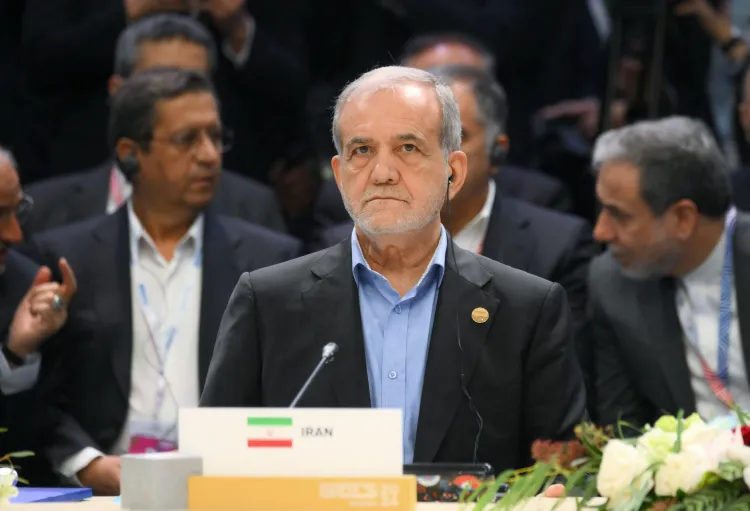
Meanwhile, Iranian President Masoud Pezeshkian described the recent indirect nuclear discussions with the United States as a “step forward,” even as the U.S. continues to impose sanctions and tariff threats on Tehran.
The negotiations, facilitated by Oman, mark the first high-level interaction between the two adversaries since last June's conflict involving Israel and Iran, during which the United States targeted Iran's significant nuclear facilities.
Pezeshkian framed the talks as part of Tehran's “consistent strategy” for achieving a peaceful resolution, although analysts suggest that this diplomatic engagement reflects cautious crisis management rather than a genuine move towards reconciliation.
In a post on his X account, Pezeshkian asserted that Iran's nuclear aspirations are firmly rooted in the “explicit rights” provided by the Nuclear Nonproliferation Treaty. He emphasized, “The Iranian nation has always responded to respect with respect,” yet “does not tolerate the language of force.”
Foreign Minister Araghchi, who led the Iranian delegation in Muscat, indicated that Washington lacks the “necessary seriousness” to advance the diplomatic dialogue.
He pointed out that ongoing sanctions and certain military maneuvers in West Asia “raise doubts about the other side's level of seriousness and readiness,” highlighting mixed signals from the United States.
Araghchi reiterated that Iran's peaceful nuclear rights, including uranium enrichment, are non-negotiable, emphasizing that progress hinges on the U.S. addressing this issue with the appropriate seriousness. He also clarified that Iran's missile program has never been and will not be part of discussions with Washington, which will focus strictly on nuclear matters.
Both the United States and Israel have insisted that Iran must dismantle its nuclear capabilities and limit its ballistic missile program—demands that analysts believe Tehran is unlikely to concede.
Point of View
I believe this visit reflects a critical moment in international diplomacy. While tensions remain high, the engagement between Iran and Oman could pave the way for more substantial discussions. It’s essential for nations to communicate and seek peaceful resolutions to avoid escalation.
NationPress
1 Oct 2026
Frequently Asked Questions
Why is Ali Larijani visiting Oman?
Ali Larijani is visiting Oman to engage with Omani officials on regional and international developments, particularly following recent nuclear negotiations with the United States.
What role does Oman play in Iran-US negotiations?
Oman has acted as a mediator for indirect nuclear discussions between Iran and the United States, facilitating dialogue amidst rising tensions.
What are Iran's nuclear rights?
Iran asserts that its nuclear ambitions are within the rights guaranteed by the Nuclear Nonproliferation Treaty, including uranium enrichment, which they consider non-negotiable.
How has the U.S. responded to Iran's nuclear program?
The United States, along with Israel, has demanded that Iran dismantle its nuclear capabilities and limit its ballistic missile program, which Iran is unlikely to accept.
What is the current state of Iran-US relations?
Iran-US relations are strained, characterized by ongoing sanctions and mixed signals regarding negotiations, despite attempts at dialogue.