Shifting Strategies: How ISI is Embracing Low-Cost Terrorism in India
Synopsis
Intelligence agencies are observing a significant transformation in ISI's approach to terrorism in India, focusing on low-cost, high-impact attacks using grenades and minimal radicalization. This shift raises serious security concerns as the agency aims to embarrass the Indian military through targeted assaults.
Key Takeaways
ISI's shift to low-cost terror operations raises security concerns.
Recruitment is now financially driven, targeting unemployed youth.
Grenades are preferred for their simplicity and ease of use.
Operations are carefully planned to avoid information leaks.
Focus on military installations aims to embarrass Indian security forces.
New Delhi, April 11 (NationPress) Intelligence agencies have identified a notable change in strategies employed by Pakistan’s intelligence agency, the Inter-Services Intelligence (ISI). This shift involves an increasing reliance on low-cost, high-impact terror modules operating throughout India.
Recent investigations reveal that the use of solar-powered cameras for surveillance and grenades has become the weapon of choice for attacks, indicating a significant move away from the more elaborate, resource-heavy operations that typically involved improvised explosive devices (IEDs).
Another critical alteration in tactics is the recruitment process. Previously, recruitment spanned various religions and was largely driven by Islamic radicalization. However, it has now transitioned to a monetary incentive. An investigating officer noted that the modus operandi has undergone a complete transformation. While some modules have been thwarted just in time, concerns persist regarding the ease with which these individuals can execute attacks, the officer explained.
The ISI has ceased conducting radicalization camps aimed at recruiting youth into their modules. The extensive brainwashing previously observed before enlisting individuals has become minimal, particularly concerning attacks within the mainland. In recent busts, it was discovered that most of these youths were not radicalized but were simply unemployed individuals lured by financial promises, according to an official.
To minimize investments, the ISI is adopting cost-effective methods. This not only conserves finances but also reduces transaction volumes, aiding in evading detection by investigative agencies tracking financial trails.
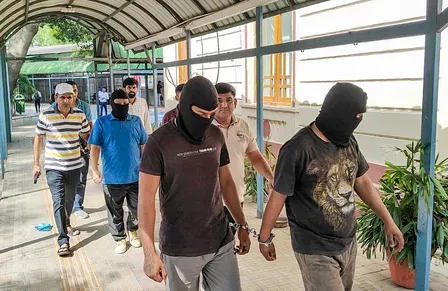
During the latest operation conducted by the Special Cell of the Delhi Police, it was uncovered that the recruits intended to target sensitive locations using grenades. Those apprehended include Manpreet Singh, Anmol, Sahil, Atul Rathee, Rohit, Ajay, Gurjeet Singh, Rimpledeep Singh, Salwinder Singh alias Kalu, Boota Singh, and Harpreet Singh alias Happy.
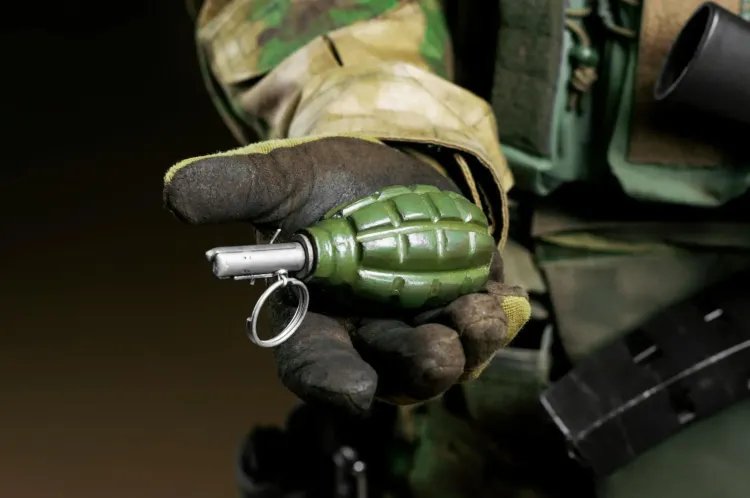
Grenades present a more straightforward operational approach compared to timer bombs. They are a single weapon that can be thrown, simplifying execution. In contrast, bombs require sourcing and transporting materials, assembly, and timer attachment before deployment. Carrying and positioning a bomb in sensitive areas carries substantial risks, particularly in crowded locations. Therefore, these modules prefer using grenades for their operations.
An official from the Intelligence Bureau explained that while bombs create a significantly larger impact than grenades, for terror modules seeking safer and more economical operations, grenades are more practical. Their compact size allows them to be easily carried and thrown by an individual.
Analyzing the operational patterns of these modules indicates a willingness to accept lower-impact attacks. However, the primary objective remains to launch grenades at crucial sites like military installations, suggesting a goal of undermining the Indian military and causing embarrassment, the official added.
Since Operation Sindoor, the ISI has shown a determined effort to humiliate the Indian military. The Indian armed forces dismantled terror infrastructures in both Pakistan and Pakistan-occupied Kashmir (PoK) in retaliation for the Pahalgam attack. Consequently, there is a heightened emphasis on targeting military facilities to create a sense of disgrace for the armed forces, another official remarked.
Regarding the installation of CCTV cameras, the ISI's planned operation was extensive, not limited to Delhi alone. The 11 individuals arrested by the Delhi police had successfully positioned these solar-powered cameras across Rajasthan, Punjab, Haryana, and Jammu and Kashmir.
Furthermore, it was revealed that the operation was meticulously orchestrated, ensuring that the recruited individuals were part of separate groups, with no overlap in knowledge. This strategic planning was aimed at preventing any potential leaks of information.
An official stated that the crackdown on such modules would continue nationwide, focusing particularly on crowded areas such as railway stations and locations with numerous military installations.
Point of View
This evolving strategy employed by the ISI underscores a troubling trend in terrorism. The shift towards low-cost operations not only highlights the adaptive nature of terror networks but also reveals vulnerabilities in our national security framework. As the ISI seeks to undermine India's military prestige, a comprehensive response is essential to safeguard our nation's integrity.
NationPress
19 Sept 2026
Frequently Asked Questions
What has changed in ISI's recruitment strategy?
ISI's recruitment now focuses on financial incentives rather than radicalization, attracting unemployed youth with monetary promises.
Why are grenades preferred over bombs by terror modules?
Grenades are simpler to use, requiring no complex assembly, making them easier to deploy in crowded and sensitive locations.
What are the implications of ISI's tactics for Indian security?
The shift towards low-cost terror modules raises concerns about the effectiveness of current security measures and the potential for increased attacks on sensitive sites.
How are intelligence agencies responding to these changes?
Agencies are intensifying operations to dismantle these modules and are particularly focused on crowded areas and military installations.
What role do solar-powered cameras play in ISI's operations?
These cameras are used for reconnaissance, enabling the ISI to surveil sensitive locations before launching attacks.