Israel Conducts 'Preventive' Missile Strikes on Iran
Synopsis
On February 28, Tehran experienced massive explosions as Israel carried out missile strikes labeled as 'preventive.' This escalation raises alarms over the potential for a wider military confrontation amid tense U.S.-Iran relations. The situation remains fluid, with implications that could reverberate across the region.
Key Takeaways
Israel launched missile strikes on Iran, escalating regional tensions.
Strikes occurred in Tehran, hitting key areas.
Israel prepared for retaliation with air raid alerts and public safety measures.
The situation reflects ongoing U.S.-Iran tensions over nuclear negotiations.
This incident marks a significant shift towards more direct military conflict.
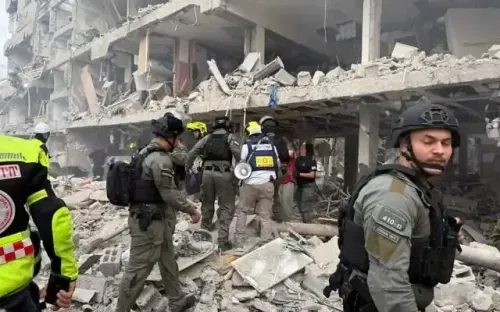
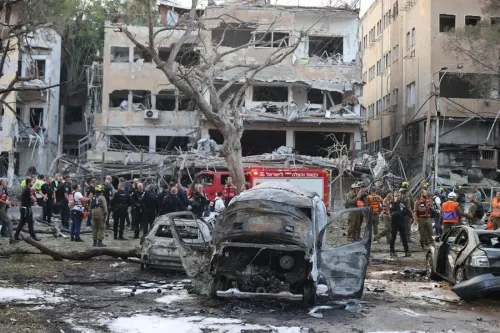
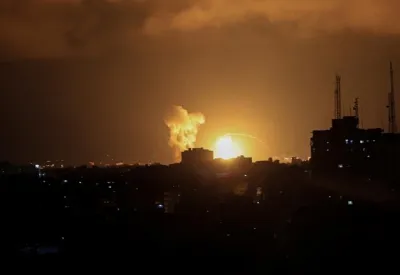
Tehran was shaken by substantial explosions on Saturday as Israel initiated what it termed as "preventive" missile attacks on Iran, significantly heightening regional tensions, as per local media reports.
This military action unfolds amidst escalating strain between the United States and Iran regarding a potential nuclear deal, alongside rising concerns of a broader military conflict in the Middle East.
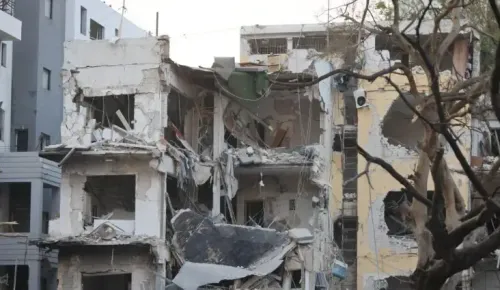
Multiple missiles struck locations along University Street and within the Jomhouri area of Tehran.
Thick clouds of smoke were observed billowing from the vicinity of Pasteur Street in central Tehran, which is home to critical government facilities.
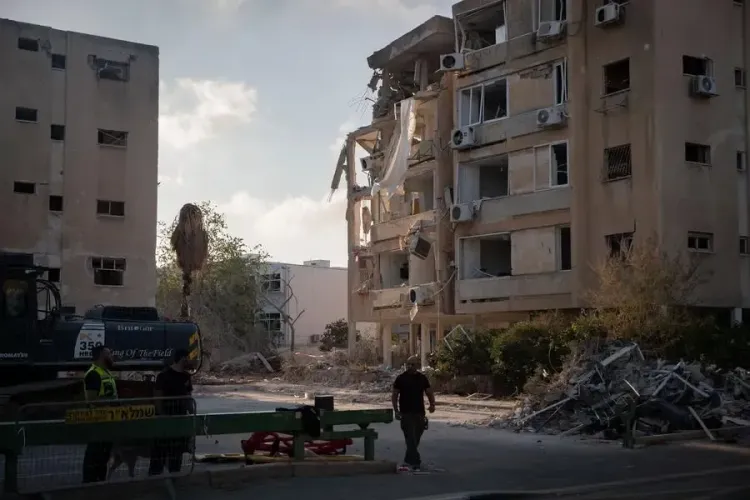
The full extent of the destruction and potential casualties remains unclear at this time.
In light of possible retaliation, the Israeli defense forces announced that air raid sirens had been activated in several regions across the nation.
This action, they stated, was a preparatory step "to alert the public regarding the possibility of missile strikes targeting Israel."
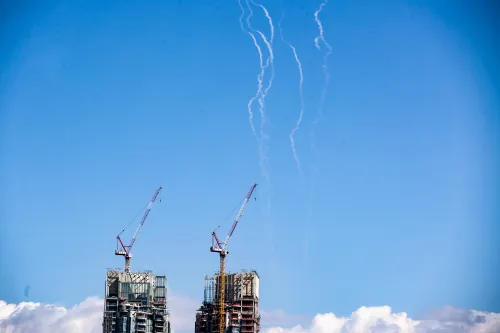
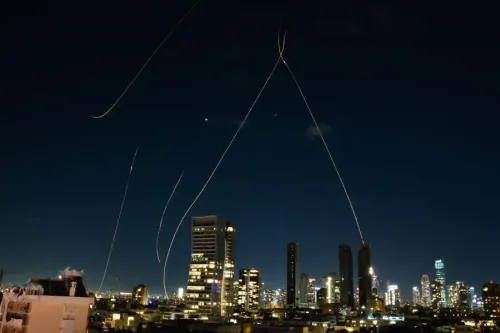
Sirens echoed throughout various parts of Israel as authorities cautioned citizens about potential incoming assaults.
As a safety measure, Israel mandated that schools nationwide remain closed, recommended that citizens work remotely, and imposed restrictions on public gatherings.
The military indicated that these alert measures were designed to safeguard civilians in the event of retaliatory missile strikes from Iran or its regional partners. These developments come at a particularly delicate diplomatic time.
Previously, U.S. President Donald Trump labeled Iran as "very difficult" and "very dangerous."
A third round of talks between Iranian and U.S. officials took place in Geneva on Thursday, with additional discussions scheduled for later on Saturday.
Over the years 2024 and 2025, an ongoing covert conflict between Israel and Iran intensified, resulting in a series of unprecedented direct military engagements, including significant airstrikes and reciprocal missile attacks, marking a perilous transition from indirect confrontations to open warfare.
Point of View
It is crucial to provide an unbiased overview of the recent military actions taken by Israel against Iran. The ongoing tensions between these nations, coupled with U.S. involvement, signify a critical moment in Middle Eastern geopolitics. Our focus remains on delivering accurate and timely updates to inform our readers of the evolving situation.
NationPress
30 Sept 2026
Frequently Asked Questions
What triggered Israel's missile strikes on Iran?
Israel conducted missile strikes on Iran, citing a need for preventive measures amidst heightened tensions related to nuclear negotiations with the U.S.
What areas in Iran were affected by the strikes?
The missile strikes targeted locations along University Street and in the Jomhouri district of Tehran.
How is Israel preparing for potential retaliation?
Israel has activated air raid sirens across multiple regions, closed schools, and advised citizens to work from home.
What are the implications of these strikes for regional security?
These strikes may escalate military confrontations in the region, raising concerns about broader conflicts involving Iran and its allies.
What is the current state of U.S.-Iran relations?
U.S.-Iran relations are strained, particularly regarding nuclear negotiations, and this incident could further complicate diplomatic efforts.