Jaishankar, Canada's Anand meet at UNGA 2026: bilateral ties set for 'higher level'
Synopsis
At the UN General Assembly in New York, EAM Jaishankar declared India and Canada are preparing to take ties 'to a higher level' — a pointed signal after a year-long diplomatic reset that has already produced a $2.6 billion uranium deal, a strategic energy partnership, and a pledge to finalise a CEPA by end-2026. The meeting marks the clearest public signal yet that the bilateral relationship is now on a structurally different footing.
Key Takeaways
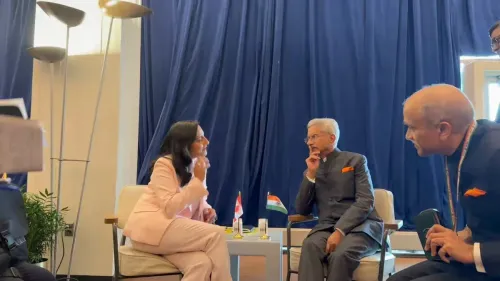
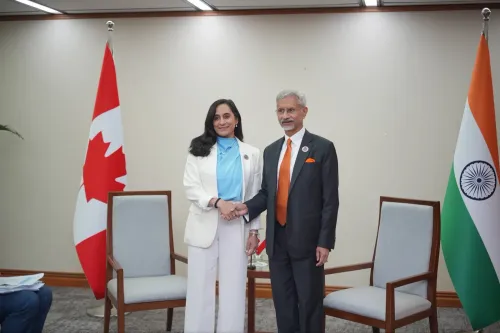
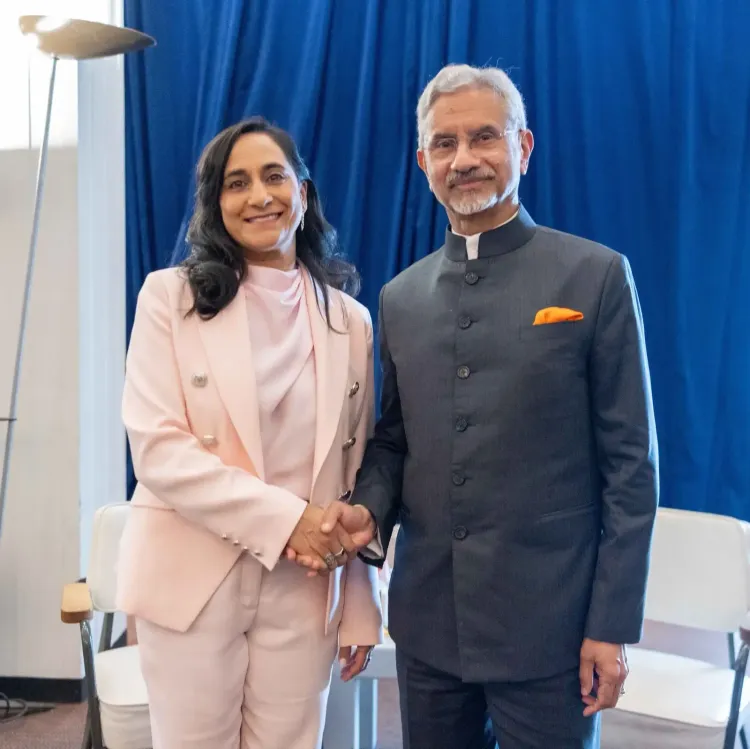
Jaishankar met Canadian FM Anita Anand on the sidelines of the UN General Assembly in New York on 27 September 2026 .
Jaishankar described the meeting as 'productive' and said both sides are preparing to take ties 'to a higher level'.
India and Canada have committed to finalising a Comprehensive Economic Partnership Agreement (CEPA) in 2026 , targeting $70 billion in annual two-way trade by 2030 .
A $2.6 billion uranium supply deal with Canada's Cameco covers nearly 22 million pounds of uranium for India's nuclear power sector from 2027 to 2035 .
Canada reports more than 1.8 million Canadians of Indian origin; merchandise trade stood at $10.9 billion in 2025 .
Both governments have reopened talks on terrorism, cybercrime, organised crime and narcotics — signalling a security-level normalisation after prior tensions.
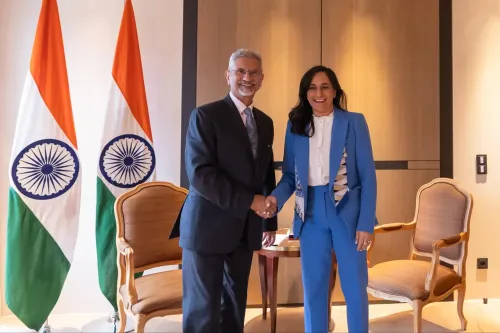
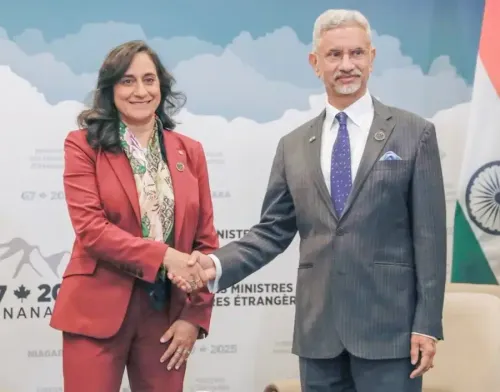
External Affairs Minister S. Jaishankar met Canadian Foreign Minister Anita Anand on the sidelines of the UN General Assembly in New York on 27 September 2026, signalling that India and Canada are preparing to elevate their bilateral relationship to a new plane. The high-level engagement comes as both sides work to convert a sustained diplomatic reset into concrete agreements across trade, energy, technology, security and education.
What Jaishankar Said
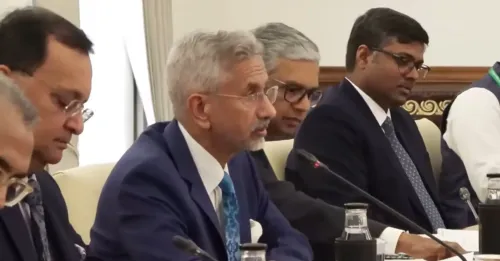
'A productive discussion as we prepare to take the relationship to a higher level,' Jaishankar said in a post on social media platform X, where he also shared photographs and a short video of the meeting. He described the encounter as 'Always a pleasure to meet FM Anita Anand of Canada.' Neither government immediately disclosed the specific issues discussed or announced a new agreement from the meeting.
The Diplomatic Reset That Got Them Here
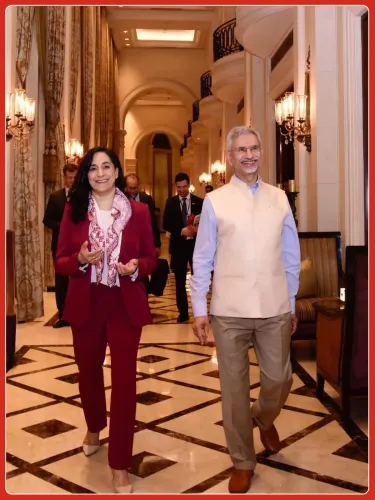
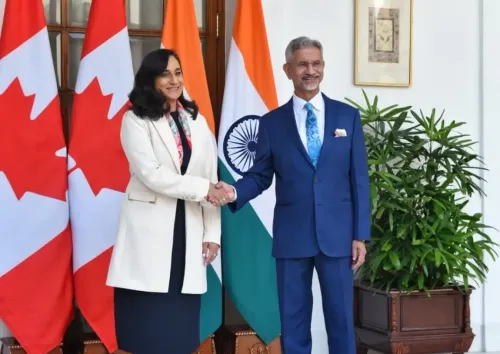
The bilateral relationship has undergone a sharp transformation over the past year. India and Canada unveiled a shared roadmap during Anand's visit to India in October 2025. Canadian Prime Minister Mark Carney subsequently travelled to Mumbai and New Delhi early this year, using the visit to anchor a renewed strategic partnership around security, defence cooperation and an advancing trade agenda.
Notably, Carney and Prime Minister Narendra Modi committed during that visit to conclude negotiations on a Comprehensive Economic Partnership Agreement (CEPA) in 2026. Canada says the proposed pact is designed to help lift annual two-way merchandise and services trade to $70 billion by 2030. The negotiations span goods and services, investment, agriculture and agri-food, digital trade, mobility and sustainable development.
Energy and Strategic Cooperation
A strategic energy partnership — covering liquefied natural gas (LNG), liquefied petroleum gas (LPG), uranium, solar energy and hydrogen — was also announced during the Carney visit. A landmark commercial outcome was a $2.6 billion agreement under which Canada-based Cameco will supply India with nearly 22 million pounds of uranium for nuclear power generation between 2027 and 2035.
Other priority areas identified for cooperation include critical minerals, artificial intelligence, quantum technologies, aerospace, space research, higher education and resilient supply chains. This comes amid a broader global push by India to diversify its strategic and energy partnerships beyond traditional partners.
Trade, People and Security Links
The human dimension of the relationship is substantial. Canada reports that more than 1.8 million Canadians are of Indian origin, and India was Canada's largest source country for most immigration categories, including study permits, in 2024. Official Canadian data put merchandise trade between the two countries at $10.9 billion in 2025, while Canadian services exports to India reached $15.6 billion in 2024, driven largely by education-related travel.
On the security front, the two governments have reopened structured discussions covering terrorism, violent extremism, organised crime, cybercrime, extortion, financial fraud, narcotics and immigration enforcement — a notable development given past friction over these very issues. Mark Carney summed up the opportunity during his India visit: 'India is the fastest-growing major economy and a powerhouse of global commerce and technology.'
With the UNGA meeting adding fresh momentum, all eyes will now be on whether a CEPA framework can be finalised before the end of 2026 — a deadline both governments have publicly committed to.
Point of View
India and Canada have gone from diplomatic chill to a uranium supply deal, a strategic energy partnership, and a CEPA deadline — an unusual velocity for two democracies with a historically complex diaspora dynamic. The $70 billion trade target by 2030 is ambitious against a 2025 merchandise baseline of just $10.9 billion, and CEPA negotiations have a history of stalling. The real test of this reset's durability will be whether the agreement survives domestic political pressures on both sides — particularly given the sensitivity of the Khalistan issue, which has not publicly been declared resolved.
NationPress
27 Sept 2026
Frequently Asked Questions
What did EAM Jaishankar say after meeting Canada's FM Anita Anand at UNGA 2026?
Jaishankar described the meeting as 'productive' and said both countries are preparing to take their bilateral relationship 'to a higher level.' The meeting took place on 27 September 2026 on the sidelines of the UN General Assembly in New York, though neither side disclosed specific agreements reached.
What is the India-Canada Comprehensive Economic Partnership Agreement (CEPA)?
The CEPA is a broad trade agreement under negotiation between India and Canada, covering goods and services, investment, agriculture, digital trade, mobility and sustainable development. Both governments committed to concluding negotiations in 2026, with a target of lifting annual two-way trade to $70 billion by 2030.
What is the Cameco uranium deal between India and Canada?
Canada-based Cameco has signed a $2.6 billion agreement to supply India with nearly 22 million pounds of uranium for nuclear power generation between 2027 and 2035. It is one of the most significant commercial outcomes of the India-Canada diplomatic reset.
How have India-Canada relations changed over the past year?
The two countries have undergone a sharp bilateral reset. A shared roadmap was unveiled during FM Anand's India visit in October 2025, followed by PM Mark Carney's visit to Mumbai and New Delhi earlier in 2026. The reset has produced a strategic energy partnership, the Cameco uranium deal, and a commitment to finalise CEPA talks by end-2026.
How large is the Indian-origin community in Canada, and what is the trade relationship?
Canada reports more than 1.8 million Canadians of Indian origin, and India was Canada's largest source country for most immigration categories in 2024. Merchandise trade between the two countries stood at $10.9 billion in 2025, while Canadian services exports to India reached $15.6 billion in 2024, driven largely by education-related travel.