Is Terrorism and Ideological Hostility Towards India Driven by the Pakistani Army?
Synopsis
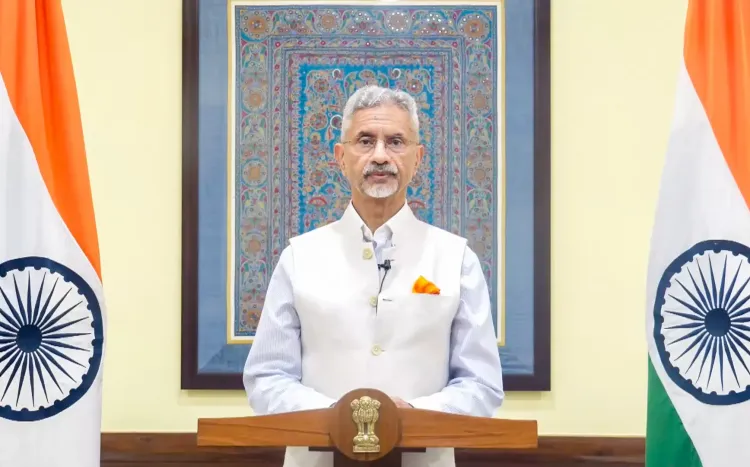
In a recent address, External Affairs Minister S. Jaishankar highlighted how significant challenges, especially terrorism, faced by India are largely sourced from the Pakistani Army. He emphasized India's readiness to confront these threats while discussing broader geopolitical concerns and the implications for regional stability.
Key Takeaways
India faces significant challenges from terrorism linked to the Pakistani Army.
New Delhi is committed to addressing these threats effectively.
Operational norms guide India's military actions.
Sheikh Hasina's situation is influenced by her circumstances in India.
India aspires for a strong democratic relationship with Bangladesh.
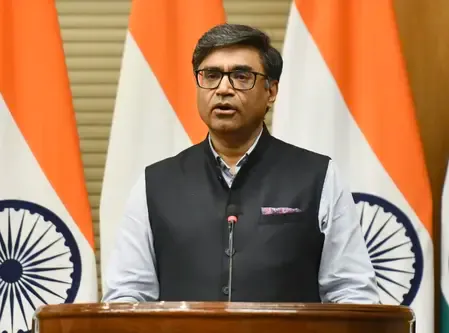
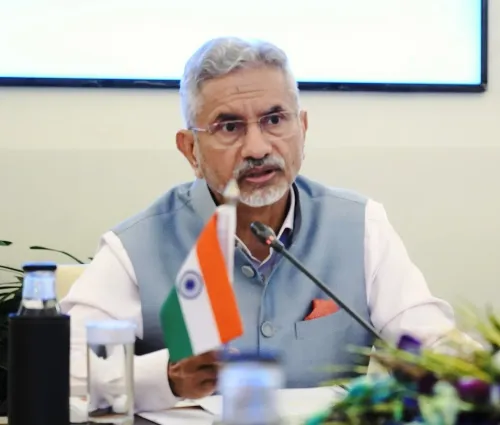
In New Delhi, on December 6, External Affairs Minister S. Jaishankar emphasized that a considerable portion of India's issues, notably terrorism, originates from the Pakistani Army. He confidently stated that although the threat persists, New Delhi is prepared to address it.
During an interview with NDTV's CEO and Editor-In-Chief Rahul Kanwal at the HT Leadership Summit, the EAM pointed out that the ideological animosity directed at India predominantly stems from Pakistan's military establishment.
"When you examine the terrorism, the training camps, and the prevailing policy of what I would term as an almost ideological animosity towards India, one must ask: where does that arise from? It emanates from the army. Ultimately, if you observe the state of Pakistan, consider the disparities and capabilities along with the reputations on both sides. We should not allow ourselves to become overly obsessed or feel compelled to hyphenate our identity with them," EAM Jaishankar remarked.
When questioned about the chief of the Pakistani Army, Asim Munir, he remarked, "Just as there are good and bad terrorists, there are good military leaders and those who are less competent."
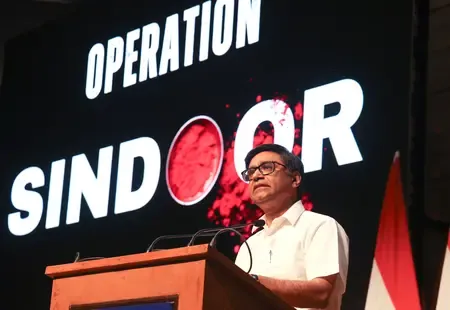
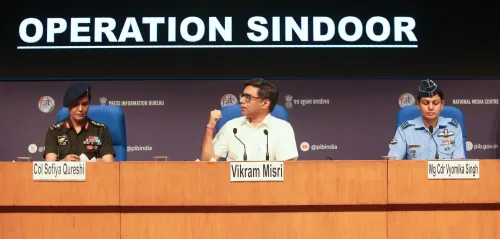
Regarding India's focused military operation, Operation Sindoor, against crucial terrorist camps in Pakistan and Pakistan-occupied Kashmir following the Pahalgam terror incident, EAM Jaishankar clarified that India operates within a unique framework of norms and responsibilities.
"As far as India is concerned, we have certain actions we undertake and others we refrain from. We adhere to rules and norms. If any action is taken, we are accountable to our citizens, the media, and civil society. It would be unrealistic to compare ourselves with them, and in many respects, we would be doing ourselves a disservice," he stated, addressing whether the operation could have been executed differently.
Responding to inquiries about former Bangladesh Prime Minister Sheikh Hasina, EAM Jaishankar noted that her choice to remain in India was influenced by the circumstances of her arrival.
Hasina sought refuge in India last August after her democratically elected government collapsed amid violent unrest, resulting in hundreds of fatalities and thousands of injuries. Recently, she was sentenced to death in absentia by a special tribunal in Dhaka for "crimes against humanity" pertaining to her administration's severe crackdown on student-led protests.
When asked if she could remain in India indefinitely, EAM Jaishankar remarked, "Well, that's a different matter, isn't it? She came here under specific circumstances, and I believe that context will influence her situation. Ultimately, it is her decision to make."
He expressed hope for the future of India-Bangladesh relations, highlighting India's democratic aspirations for its neighbor.
"We genuinely wish Bangladesh well. As a democratic nation, we believe any democratic country should ascertain the will of the people through a democratic process," he stated.
"I am quite confident that whatever emerges from the democratic process will present a balanced and mature perspective on our relationship, and hopefully, conditions will improve," he concluded.
Point of View
It is essential to remain unbiased while presenting the facts. The perspectives shared by EAM Jaishankar reflect India's stance on regional security and its proactive approach to countering terrorism. It's crucial to acknowledge the intricate dynamics in South Asia while prioritizing national interests and advocating for diplomatic solutions.
NationPress
27 Sept 2026
Frequently Asked Questions
What did EAM Jaishankar say about terrorism?
EAM Jaishankar stated that a significant part of India's challenges, particularly terrorism, originates from the Pakistani Army.
How does India respond to the threat of terrorism?
Jaishankar emphasized that New Delhi is prepared to address the threats posed by terrorism from Pakistan.
What is Operation Sindoor?
Operation Sindoor is India's targeted military response against high-value terror camps in Pakistan and Pakistan-occupied Kashmir.
What circumstances surrounded Sheikh Hasina's arrival in India?
Sheikh Hasina fled to India after her democratically elected government collapsed amid violent unrest in Bangladesh.
What are Jaishankar's views on India-Bangladesh relations?
He expressed optimism, stating that India wishes Bangladesh well and supports a democratic process there.