Is the Party Associated with the 1971 War Making a Comeback in Bangladesh's Politics?
Synopsis
The radical Islamist party Jamaat-e-Islami has made a significant electoral comeback in Bangladesh, raising concerns over its historical connections to the 1971 Liberation War. As it challenges existing gender norms while attempting to reshape political narratives, the implications for the nation's democratic fabric are profound.
Key Takeaways
Jamaat-e-Islami made significant electoral gains but failed to secure executive power.
Its rise evokes memories of the 1971 Liberation War and raises questions about historical accountability.
The party's proposals regarding women reflect a tension between traditional values and modern gender expectations.
Socio-economic transformations in Bangladesh challenge the party's traditional narratives.
The future of Jamaat in politics will depend on its ability to adapt to changing societal dynamics.
Washington, Feb 22 (NationPress) The radical Islamist party of Bangladesh, Jamaat-e-Islami, did not manage to convert its electoral successes into political power during the 13th Parliamentary elections. However, it significantly increased its vote share and number of seats, evoking memories of the 1971 Bangladesh Liberation War.
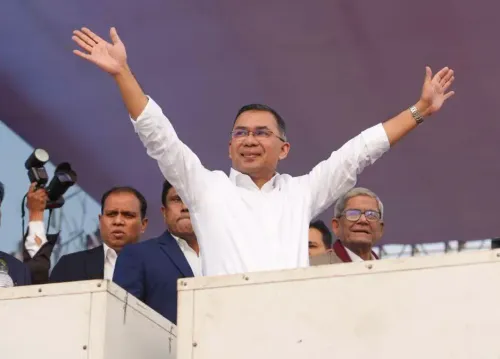
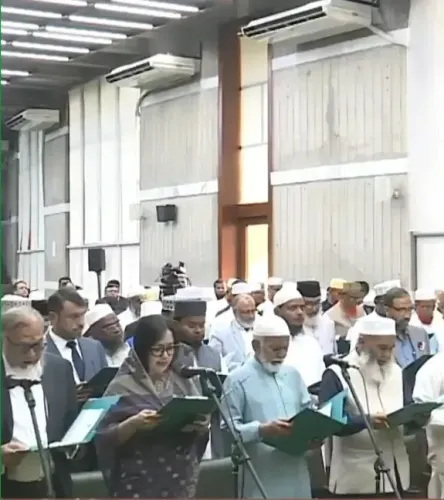
According to a report by Dimitra Staikou for Pressenza - International Press Agency, while the Bangladesh Nationalist Party (BNP) achieved a substantial majority, the standout story was the remarkable electoral rise of Jamaat, which secured 77 seats and nearly 31 percent of the vote—marking its best performance in years.
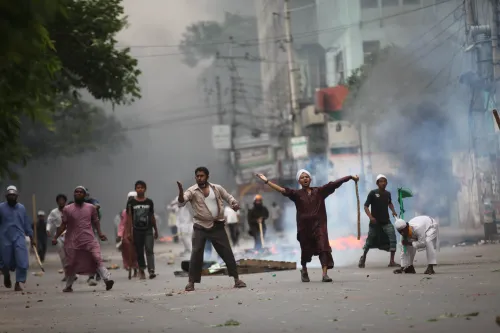
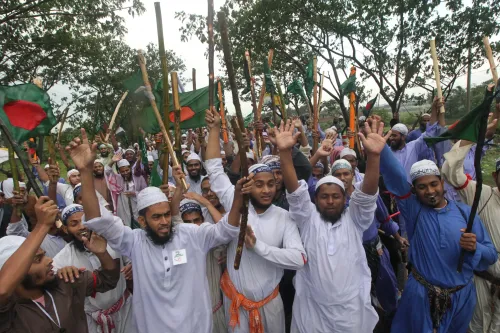
Staikou noted that Jamaat-e-Islami has re-entered mainstream politics despite its historical ties to the traumas of the 1971 Liberation War. She argued that this political rehabilitation lacks historical accountability, stating, "The memory of 1971 — when factions associated with Jamaat collaborated with Pakistani forces during the Liberation War — remains deeply ingrained in the collective memory of Bangladesh. Political rehabilitation without confronting historical truths risks transforming collective trauma into electoral oblivion."
She further remarked, "The ascendance of the party raises significant questions about democratic memory, generational shifts, and the ability of political systems to integrate actors without addressing their pasts."
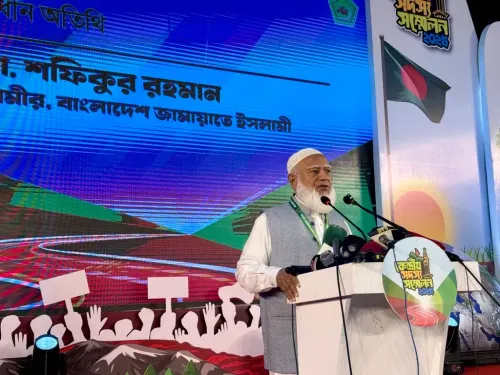
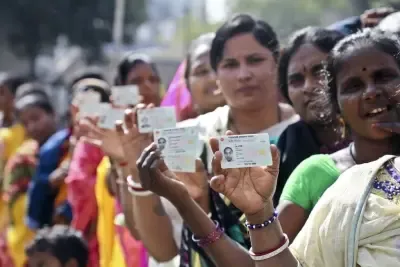
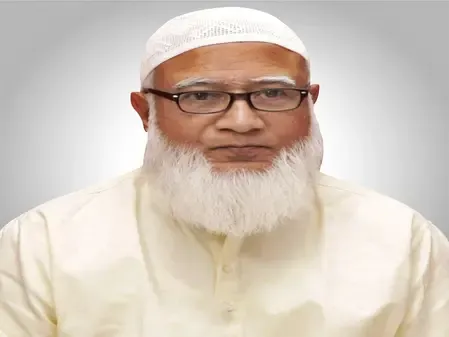
The report indicated that Jamaat's campaign for 2026 revolved around a familiar yet strategically framed message: protecting "mothers and sisters." Shafiqur Rahman, the party chief, expressed his willingness to sacrifice his life for women's honor, while simultaneously asserting that, regardless of women's educational advancements, they must always remain subordinate to men.
The report added that Rahman's statements were not merely "theological abstraction" but rather a calculated "electoral framing." Notably, the proposal to limit women's working hours to five daily was presented under the guise of allowing more time for domestic duties and child-rearing.
"Presented as a benevolent reform, this was largely interpreted as an effort to re-domesticate women's labor. In a nation where women play a vital role in the ready-made garment sector—the backbone of Bangladesh's export economy—this proposal was far from a neutral social policy. It indicated an ideological preference for containment over autonomy," the report highlighted.
Furthermore, Jamaat's electoral strategy seems to have miscalculated the extent of socio-economic changes that have transformed gender expectations. "Women’s participation in the workforce, migration, and exposure to digital political discourse have created a demographic less open to paternalistic political narratives. The electorate now includes a generation that has grown up witnessing female leaders in various roles, from Prime Ministers to justices. The patriarchal authority that once went unchallenged has been structurally weakened," it elaborated.
The report concluded by stating that Jamaat's inability to achieve "executive control" signifies a structural limitation. "While political Islam in Bangladesh may mobilize identity and moral discourse, it cannot easily reverse decades of economic integration and social evolution," it noted.
Point of View
It is essential to observe the electoral advancements of Jamaat-e-Islami within the context of Bangladesh's socio-political evolution. While the party's historical baggage is significant, the contemporary landscape demands a nuanced understanding of how these dynamics may reshape political discourse and gender roles in society.
NationPress
19 Sept 2026
Frequently Asked Questions
What is Jamaat-e-Islami's historical significance in Bangladesh?
Jamaat-e-Islami is historically significant due to its involvement in the 1971 Liberation War, where elements associated with the party collaborated with Pakistani forces, leading to deep-rooted societal trauma.
How did Jamaat-e-Islami perform in the recent elections?
In the recent 13th Parliamentary elections, Jamaat-e-Islami secured 77 seats and nearly 31% of the vote, marking its strongest electoral performance in decades.
What are the implications of Jamaat's rise for gender roles in Bangladesh?
Jamaat's rise raises critical questions about gender roles, especially as their proposals seem to reinforce traditional gender norms, which may clash with the evolving socio-economic landscape.
What does the future hold for Jamaat-e-Islami in Bangladeshi politics?
The future of Jamaat-e-Islami in Bangladeshi politics remains uncertain, as they face challenges in reconciling their historical ties with modern democratic expectations and socio-economic changes.
How does the public perceive Jamaat-e-Islami's campaign messages?
Public perception of Jamaat-e-Islami's campaign messages is mixed, with some viewing them as paternalistic while others may resonate with their calls for traditional values.