Is Jammu Experiencing Unprecedented Cold While Kashmir Freezes?
Synopsis
Kashmir continues to endure a fierce cold wave, with Jammu also experiencing record low temperatures. This unprecedented weather has raised concerns about water resources as the crucial snowfall period, known as 'Chillai Kalan,' approaches its end. Will the looming Western Disturbances bring the snowfall needed to replenish essential water bodies?
Key Takeaways
Jammu records temperatures as low as 4.4 degrees Celsius .
Srinagar hits -3.9 degrees Celsius .
Jammu's maximum temperature is the 4th lowest ever.
Concerns rise over water supply due to dry conditions.
Western Disturbances may bring first snowfall soon.
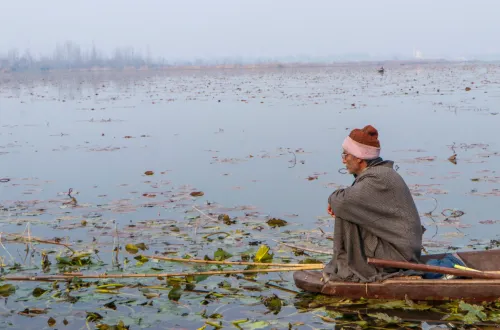
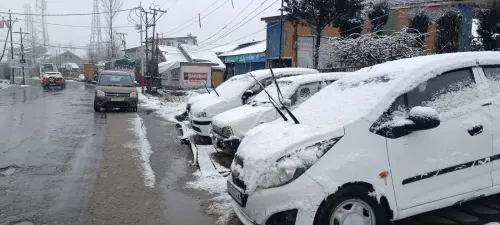
Srinagar, Jan 15 (NationPress) The enduring cold, coupled with icy winds sweeping down from the mountains, persisted in Kashmir on Thursday, while Jammu city faced exceptionally low temperatures. The highest temperature recorded in Jammu on Wednesday was 7.4 degrees Celsius, with the mercury dipping to 4.4 degrees Celsius on Thursday.
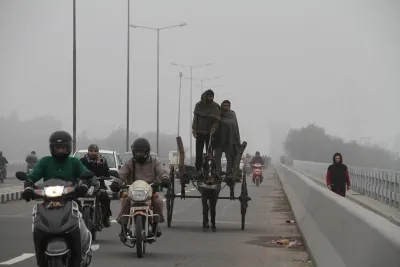
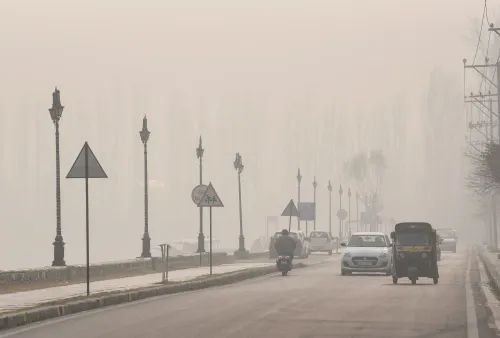
With only a 3-degree gap between the highest and lowest temperatures, Jammu is grappling with a remarkable cold spell, further exacerbated by persistent fog throughout the day.
On Wednesday, Jammu registered its 4th lowest maximum temperature in history at 7.4 degrees Celsius. Previous records include 5 degrees in January 1986, 6.7 degrees in 2013, and 7.1 degrees in 2016.
Srinagar's minimum temperature was noted at -3.9 degrees Celsius, while Gulmarg and Pahalgam experienced -3.2 and 5 degrees, respectively. In Jammu, the minimum temperatures were 4.4 degrees, 6.8 degrees in Katra, 4.9 degrees in Batote, 1.9 degrees in Banihal, and -0.1 degrees in Bhaderwah.
The Meteorological Department has predicted that a mild Western Disturbance will bring rain or snow to J&K on January 16, followed by two consecutive disturbances.
According to officials from the MeT department, “The plains of the Valley are poised to receive their first snowfall of the season due to these disturbances.”
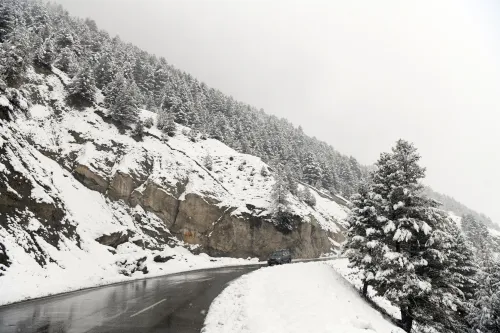
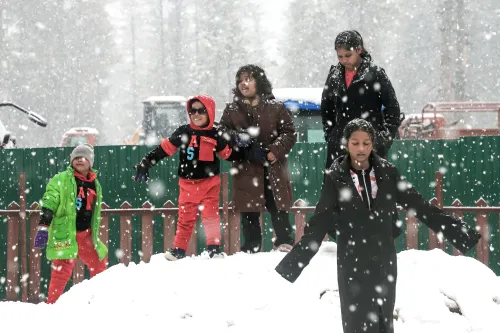
As of now, significant snowfall has yet to fall in the Valley, as the plains await their first snow of the season.
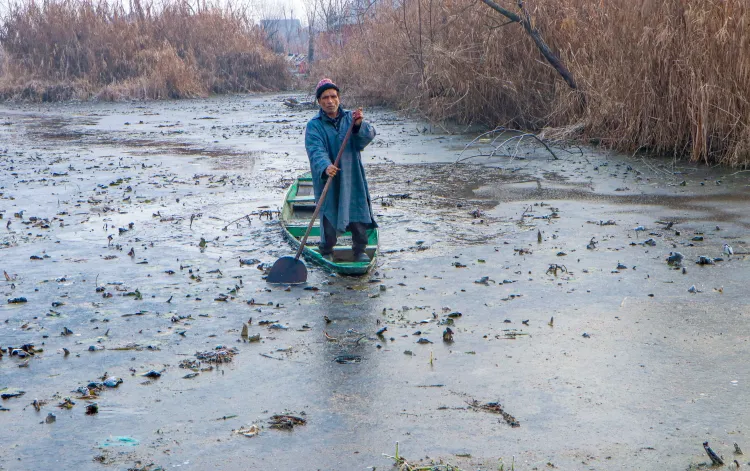
The ongoing dry spell has raised concerns across J&K, as all water bodies, crucial for agriculture, horticulture, and drinking water, rely heavily on substantial snowfall during the critical 40-day period known locally as ‘Chillai Kalan’.
This essential period is already beyond its halfway mark, with the plains yet to see this season's first snowfall. Chillai Kalan concludes on January 30. Snowfall occurring in February and March is generally of little value as it melts quickly and fails to replenish the perennial water reserves in the mountains.
Point of View
The ongoing cold wave in Jammu and Kashmir highlights the pressing need for attention to climate variations and their potential impacts on agriculture and water supply. The situation is critical, and timely snowfall is essential for the region's water resources, which are crucial for its economy.
NationPress
10 Oct 2026
Frequently Asked Questions
What is the current weather situation in Jammu?
Jammu is experiencing unprecedented cold weather, with temperatures recorded at 7.4 degrees Celsius, marking one of the lowest in history.
How is the cold wave affecting Kashmir?
Kashmir is under severe cold conditions, with temperatures dropping significantly, causing concern over water resources and agriculture.
What is 'Chillai Kalan'?
'Chillai Kalan' is a 40-day period of harsh winter in Kashmir, crucial for snowfall that replenishes water bodies.
Will there be snow soon in Jammu and Kashmir?
The Meteorological Department forecasts a weak Western Disturbance that may bring the first snowfall of the season on January 16.
Why is the lack of snowfall a concern?
The absence of snowfall raises alarms for water supply crucial for agriculture, horticulture, and drinking water needs in Jammu and Kashmir.