Is Pakistan Facing a Food Insecurity Crisis?
Click to start listening
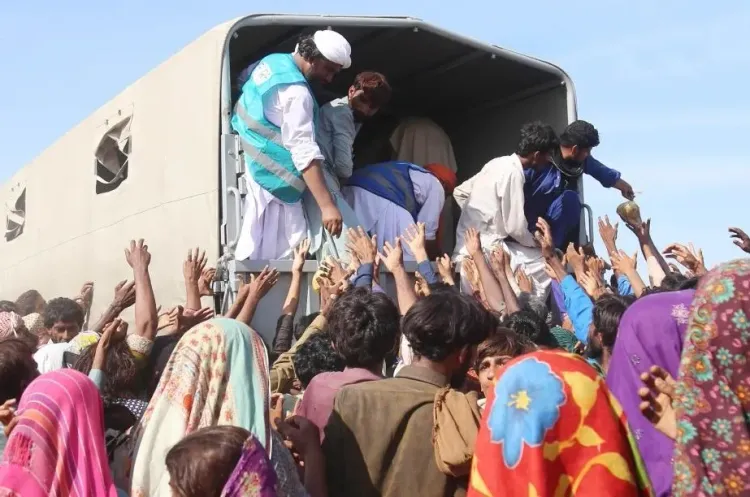
Synopsis
Pakistan's food insecurity is a pressing issue affecting millions. With one in four citizens at risk, the implications could lead to rising healthcare costs and deeper poverty. This editorial sheds light on the alarming trends and their potential impact on public health and the economy.
Key Takeaways
- 61 million Pakistanis face uncertain food access.
- Moderate food insecurity increased from 15.92% to 24.35%.
- Severe food insecurity doubled, affecting 12.6 million people.
- Food insecurity impacts health, education, and economic productivity.
- Children are especially vulnerable to long-term developmental issues.
New Delhi, Jan 15 (NationPress) The issue of food insecurity in Pakistan is emerging as a significant concern, transcending mere social implications to pose serious public health and economic threats. With nearly one in four citizens experiencing moderate to severe food insecurity, the consequences are clear: escalating healthcare costs, diminished labor productivity, and a cycle of intergenerational poverty, as noted in an editorial from the Karachi-based Business Recorder.
According to findings from the 'Food Insecurity Experience Scale' based on 'HIES 2024–25', the situation is dire and has deteriorated more than the terminology suggests. While the report mentions ongoing efforts and challenges in achieving equitable food access, the actual data reveals a stark decline.
The prevalence of moderate or severe food insecurity has surged from 15.92% in 2018–19 to 24.35% in 2024–25, indicating that approximately 61 million Pakistanis are now in households with uncertain access to food.
Severe food insecurity has more than doubled, rising from 2.37% to 5.04%, which translates to around 12.6 million individuals facing extreme deprivation. These statistics do not indicate progress; rather, they highlight an increase in vulnerability.
The FAO defines moderate food insecurity as a state where households lack consistent access to sufficient food, often compromising on the quality and variety of meals. Severe food insecurity is even more alarming, with households occasionally running out of food entirely.
Viewed through this lens, the HIES findings reveal not just discomfort but a growing number of Pakistanis suffering from persistent nutritional stress and hunger, as the editorial emphasizes.
The ramifications extend beyond hunger. Evidence from the FAO links moderate food insecurity to poor dietary quality, micronutrient deficiencies, and increased obesity from reliance on processed foods. Severe food insecurity leads to even more severe outcomes, such as heightened risks of illness, mental health stress, and lasting health issues.
For children, repeated exposure to food insecurity significantly raises the chances of stunting, wasting, hindered cognitive development, and poor educational outcomes, thereby permanently impacting human capital and future productivity.
Point of View
I believe that addressing food insecurity in Pakistan is not just a governmental responsibility; it’s a collective societal challenge that demands immediate action from all stakeholders. We must prioritize equitable food access to secure a healthier and more prosperous future for our nation.
NationPress
15/01/2026
Frequently Asked Questions
What is food insecurity?
Food insecurity refers to the lack of reliable access to sufficient quantities of affordable, nutritious food, impacting health and wellbeing.
How many Pakistanis are affected by food insecurity?
Approximately 61 million people in Pakistan are living in households with uncertain food access.
What are the health implications of food insecurity?
Food insecurity can lead to poor diet quality, micronutrient deficiencies, increased risk of obesity, and severe health issues.
What can be done to combat food insecurity in Pakistan?
Addressing food insecurity requires a multifaceted approach including policy reforms, increased agricultural productivity, and better food distribution systems.
Why is food insecurity a public health concern?
Food insecurity is linked to various health issues, including malnutrition, obesity, and mental health problems, affecting the overall wellbeing of the population.