J&K artisans and weavers receive ₹14.71 crore loans in Q1 & Q2 of FY2026-27
Synopsis
J&K's Handicrafts and Handloom Department has disbursed ₹14.71 crore in loans to artisans and weavers in just two quarters of FY2026-27 — part of a cumulative ₹151 crore lent to over 10,000 craftsmen since the credit limit was doubled in 2020. The push to replace informal credit with formal banking could be a quiet but meaningful shift for one of Kashmir's most iconic economic sectors.
Key Takeaways
₹14.71 crore in loans disbursed to J&K artisans and weavers in Q1 and Q2 of FY2026-27 .
Of 3,885 applications sponsored to banks, 1,332 sanctioned and 1,054 disbursed by end of September 2026 .
Beneficiaries receive a 7% interest subvention on a tapering basis for five years .
Since the credit limit was doubled from ₹1 lakh to ₹2 lakh in 2020 , over 10,000 craftsmen have borrowed a cumulative ₹151 crore .
The department has also provided ₹19 crore in interest subvention support over the same period.
Artisans can apply online at singlewindow.jk.gov.in or through district-level Common Service Centres .
Artisans and weavers in Jammu and Kashmir have received loans totalling ₹14.71 crore during the first and second quarters of the current financial year 2026-27, according to officials from the Handicrafts and Handloom Department. The figures, shared in a press statement issued on Thursday, 8 October 2026, highlight ongoing efforts to expand formal credit access for J&K's traditional craft sector.
Loan Disbursement at a Glance
Of 3,885 applications sponsored to banks, 1,332 have been sanctioned and 1,054 disbursed by the end of September 2026. The department said it is actively coordinating with lead banks and other financial institutions to broaden access to this facility across the region.
What the Funds Are For
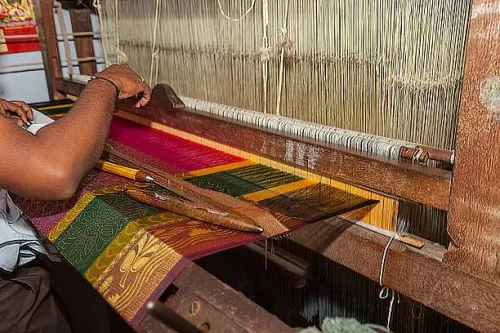
A department spokesman said the financing is specifically designed to help craftspeople establish independent production units and procure raw materials and tools in a sector that remains heavily labour-intensive. 'The funds are meant to help craftspeople set up independent units and buy raw material and tools in a sector that remains heavily labour-intensive,' the spokesman said. Beneficiaries also receive an interest subvention of 7 per cent on a tapering basis for five years, aimed at helping new units achieve financial self-sufficiency.
Cumulative Impact Since 2020
Since the credit limit was raised from ₹1 lakh to ₹2 lakh in 2020, in line with the Wool Processing, Handloom and Handicrafts Policy, more than 10,000 craftsmen have taken loans totalling ₹151 crore. Over the same period, the department has extended an interest subvention of ₹19 crore to support these unit-holders, underscoring the scheme's expanding footprint.
Reducing Informal Credit Dependency
The scheme is framed around reducing craftspeople's reliance on informal moneylenders and giving traditional crafts a more stable financial foundation. By easing access to formal loans, the department hopes to help artisans and weavers expand output, retain younger talent in the trade, and strengthen Kashmir's broader handloom and handicraft economy — a sector with significant cultural and export value.
How to Apply and What's Next
Eligible artisans and weavers can apply online through the official portal at singlewindow.jk.gov.in. Common Service Centres set up across districts are available to assist with registration. The department has urged financial institutions and lead banks to treat the craft sector under priority lending and extend timely, hassle-free credit so that small unit-holders can build a more self-reliant base.
Point of View
But the structural intent — replacing informal moneylenders with formal bank credit at a subsidised rate — is the right direction for a sector that has historically been exploited by middlemen. The low sanction-to-application ratio (1,332 sanctioned out of 3,885 sponsored) is worth scrutinising: nearly two-thirds of applications are pending or rejected, which suggests either bank reluctance or documentation barriers that the department's portal alone cannot fix. The ₹151 crore cumulative figure since 2020 is more meaningful, but without data on repayment rates and unit survival, it is difficult to assess whether these loans are building durable enterprises or adding debt to vulnerable households. Priority-sector lending nudges to banks are a necessary but insufficient lever.
NationPress
8 Oct 2026
Frequently Asked Questions
How much loan has been disbursed to J&K artisans and weavers in FY2026-27 so far?
A total of ₹14.71 crore has been disbursed to artisans and weavers in Jammu and Kashmir during the first and second quarters of FY2026-27, ending September 2026. Out of 3,885 applications sponsored to banks, 1,054 have been disbursed.
What interest subvention do J&K craft beneficiaries receive?
Beneficiaries under the scheme receive a 7 per cent interest subvention on a tapering basis for five years, designed to help newly established units become financially self-sustaining without heavy debt burden.
How much has been lent to J&K craftsmen since the credit limit was raised in 2020?
Since the credit limit was raised from ₹1 lakh to ₹2 lakh in 2020, more than 10,000 craftsmen have taken loans totalling ₹151 crore. The department has also provided ₹19 crore in interest subvention support over the same period.
How can J&K artisans and weavers apply for the loan scheme?
Eligible artisans and weavers can apply online through singlewindow.jk.gov.in. Common Service Centres set up across districts are available to assist applicants with registration and documentation.
Why is the J&K government providing loans specifically to the handicrafts and handloom sector?
The scheme aims to reduce artisans' dependence on informal credit, help them set up independent units, and buy raw materials and tools. The broader goal is to expand output, retain younger craftspeople in the trade, and strengthen Kashmir's handloom and handicraft economy.