Is Japan Reinforcing Its Non-Nuclear Stance?
Synopsis
The Japanese government firmly reiterates its non-nuclear stance amidst controversial comments from a security official. As debates on national security intensify, the future of Japan's non-nuclear principles remains a hot topic.
Key Takeaways
Japan firmly supports non-nuclear policies.
Chief Cabinet Secretary Kihara upholds traditional principles.
Calls for official replacement indicate political tension.
Japan aims for a nuclear-free world through disarmament.
Prime Minister Takaichi's remarks reflect cautious diplomacy.
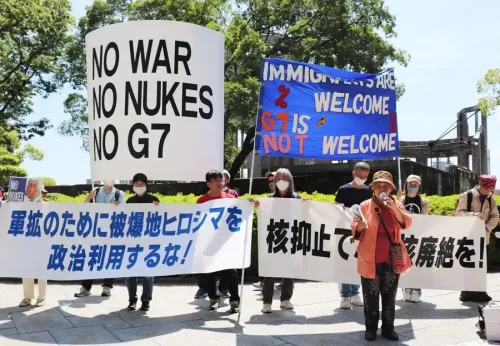
Tokyo, Dec 19 (NationPress) The Japanese government reaffirmed its dedication to non-nuclear policies on Friday, dismissing comments from a security official suggesting that the nation should acquire nuclear weapons.
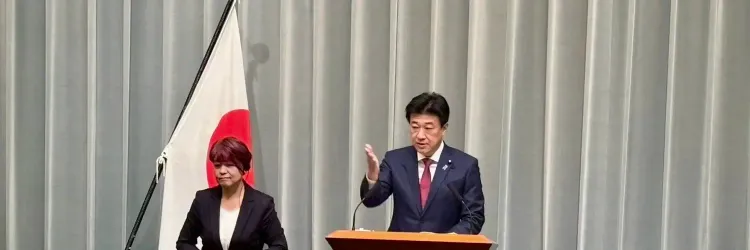
During a press briefing, Japan's Chief Cabinet Secretary Minoru Kihara emphasized that the administration's strategy is to uphold the three non-nuclear principles, which prohibit the possession, production, and introduction of nuclear arms, according to Kyodo News Agency.
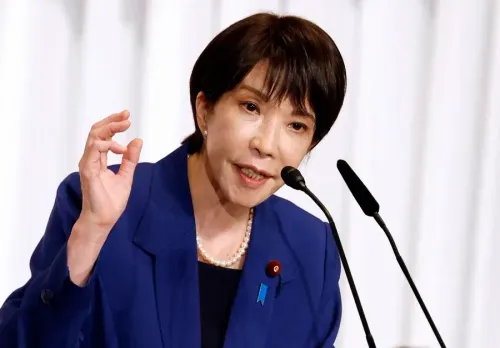
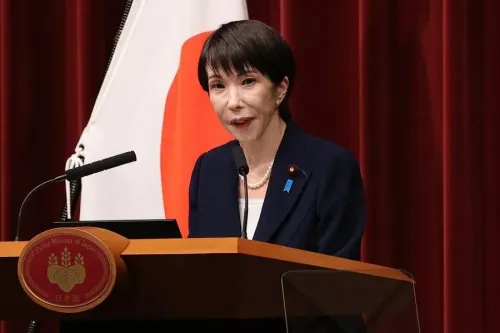
Lawmakers from both the ruling and opposition factions have called for the replacement of the official who implied a shift away from these non-nuclear principles. This statement coincides with reports that Prime Minister Sanae Takaichi is contemplating a review of Japan's non-nuclear stance.
In response to queries about whether the official should maintain their position, Kihara opted not to comment on “every media report.”
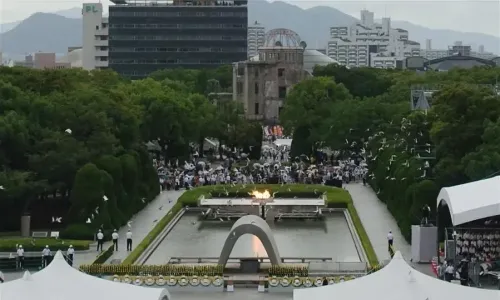
He reiterated that Japan's approach is to implement realistic and practical measures to promote a nuclear-free world, aiming to sustain and enhance the global nuclear disarmament framework under the Nuclear Non-Proliferation Treaty, being the only nation that has experienced atomic bombing in wartime.
Kihara stated, “Since the conclusion of the war, our nation has steadfastly contributed to the peace and prosperity of the international community. This stance remains unchanged.”
These comments followed the official's earlier statement, where he claimed, “I believe we should possess nuclear weapons,” while also suggesting that such an idea was impractical and denied any discussions regarding revising the non-nuclear principles with PM Takaichi.
In November, Prime Minister Takaichi had avoided confirming Japan's commitment to not producing, possessing, or hosting nuclear weapons, amid concerns regarding the “nuclear umbrella.” Japan's Three Non-Nuclear Principles were established in 1967.
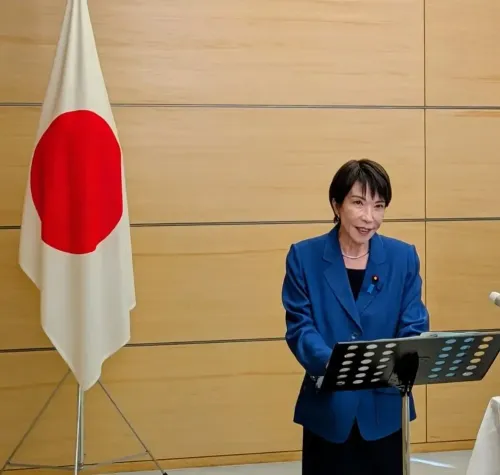
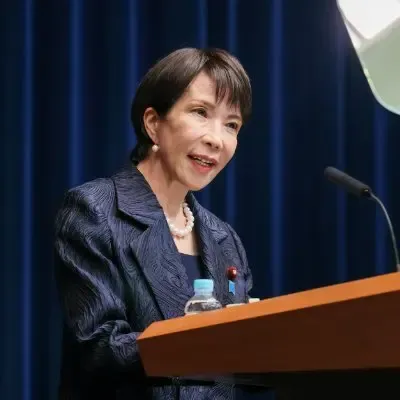
Addressing opposition lawmakers in the Japanese Parliament, Takaichi remarked that “it is not yet at the stage” where she could “definitively state” that the wording of the principles will remain unchanged, as reported by The Japan Times. Her comments emerged as her administration plans to revise Japan's national security documents by the end of 2026. Nevertheless, she reassured that her government would uphold the pledge for now.
She concluded, “At this moment, the government continues to abide by the Three Non-Nuclear Principles as a policy guideline.”
Point of View
I see Japan's unwavering commitment to non-nuclear policies as a pivotal stand in an increasingly complex geopolitical landscape. This approach not only reflects Japan's historical context but also underscores its dedication to international peace and stability. The dialogue around nuclear armament should remain focused on disarmament and diplomacy, aligning with the nation's long-standing principles.
NationPress
19 Sept 2026
Frequently Asked Questions
What are Japan's non-nuclear principles?
Japan's non-nuclear principles, established in 1967, prohibit the possession, production, and introduction of nuclear weapons within its territory.
Who is the current Prime Minister of Japan?
The current Prime Minister of Japan is Sanae Takaichi.
Why is Japan's non-nuclear stance significant?
Japan's non-nuclear stance is significant as it is the only country to have experienced atomic bombings during wartime, shaping its commitment to global nuclear disarmament.
What prompted the recent discussions on Japan's nuclear policies?
Recent comments from a security official advocating for nuclear armament have revived discussions on Japan's nuclear policies amid changing geopolitical dynamics.
What is the Nuclear Non-Proliferation Treaty?
The Nuclear Non-Proliferation Treaty is an international treaty aimed at preventing the spread of nuclear weapons and promoting nuclear disarmament.