Jharkhand 108 ambulance strike: 2,000 drivers, EMTs halt services indefinitely
Synopsis
Nearly 2,000 ambulance workers in Jharkhand have downed tools indefinitely, leaving the state's 108 emergency service paralysed. With three months of unpaid salaries, alleged wage deductions since February 2025, and a government deadline already missed, the strike could push rural patients — with no alternative transport in sight — into a serious healthcare crisis.
Key Takeaways
Nearly 2,000 drivers and EMTs under the 108 Ambulance Service in Jharkhand began an indefinite strike at 8 pm on 18 November 2026 .
Workers allege salaries for August, September, and October 2026 remain unpaid and arbitrary deductions have been made since February 2025 .
Protests are being held at the NHM office in Namkum, Ranchi and in districts including Hazaribagh and Dhanbad .
Additional Chief Secretary Ajay Kumar Singh had reportedly assured resolution by Chhath Puja , a deadline that passed without action.
The Jharkhand Health Department has not announced any alternative emergency transport arrangements as of 19 November 2026 .
Several ambulances are already non-operational in blocks including Potka , worsening the coverage gap.
Nearly 2,000 drivers and Emergency Medical Technicians (EMTs) employed under the 108 Ambulance Service in Jharkhand launched an indefinite strike on the evening of 18 November 2026, crippling emergency medical transportation across the state. The walkout, which began at 8 pm, has left critically ill patients, accident victims, and pregnant women without reliable emergency transport.
How the Strike Unfolded
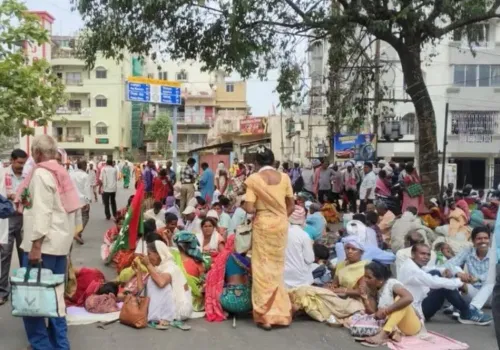
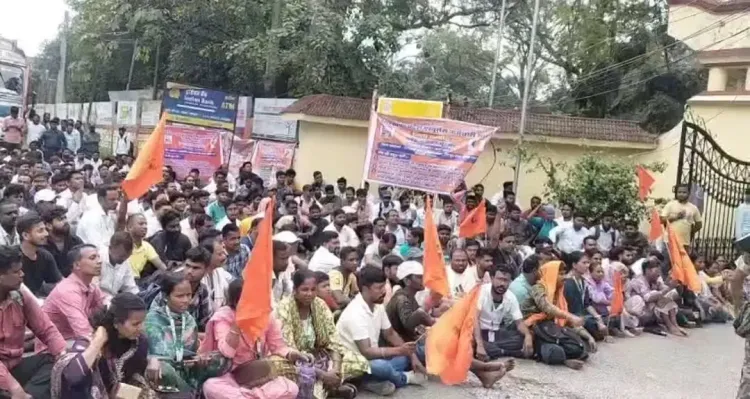
On Thursday morning, striking workers assembled outside the National Health Mission (NHM) office in Namkum, Ranchi, staging a sit-in protest on the road near its main gate. Parallel demonstrations were simultaneously held in several districts, including Hazaribagh and Dhanbad, signalling a statewide mobilisation rather than an isolated outburst.
The Jharkhand State Ambulance Employees Union is leading the agitation. Union President Neeraj Tiwari alleged that employees have not received salaries for August, September, and October 2026 — a three-month backlog. Tiwari further alleged that arbitrary deductions have been made from wages since February 2025, and demanded an independent investigation into the deductions along with a full refund of withheld amounts.
Key Demands of the Striking Workers
Beyond the salary arrears, the union has put forward a broader set of demands: job security, enforcement of minimum wage norms, and statutory coverage under the Employees' Provident Fund (EPF) and Employees' State Insurance Corporation (ESIC) schemes, as well as insurance and bonus entitlements. Workers also allege that complaints about the alleged misuse of government funds — purportedly routed through invoices for defective ambulances — and irregularities in salary payment records have gone unaddressed.
Broken Assurances and Official Silence
According to the protesting employees, the dispute had earlier reached a formal stage when they met Additional Chief Secretary of the Health Department Ajay Kumar Singh. Singh reportedly assured them their grievances would be resolved by Chhath Puja. That deadline passed without any salary disbursement or concrete action, the union said, forcing them to escalate to a full strike.
As of 19 November 2026, the Jharkhand Health Department had not officially announced any alternative emergency transport arrangements to cover the gap left by the strike.
Impact on Patients, Especially in Rural Areas
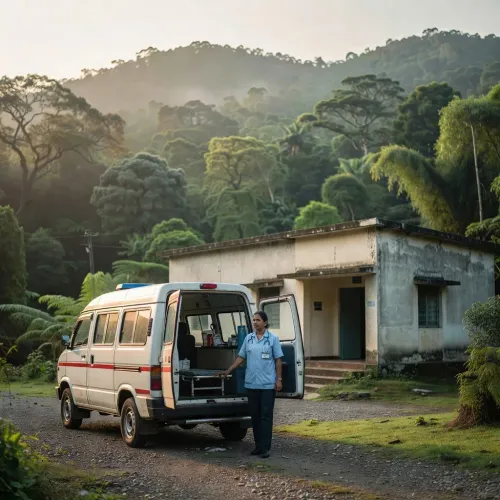
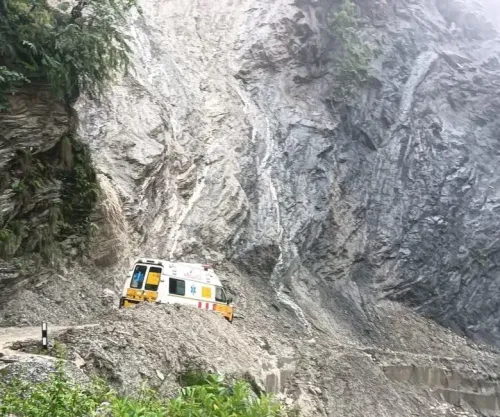
The 108 ambulance network is a lifeline in Jharkhand, routinely ferrying road accident victims, women in labour, and critically ill patients to hospitals — particularly in districts where private transport options are scarce. The disruption is expected to cause considerable hardship, especially in rural and remote blocks.
The situation is reportedly compounded by the fact that several ambulances are already non-operational across various blocks, including Potka, meaning the effective coverage had already been reduced before the strike began. With both the workforce on strike and a portion of the fleet out of service, health officials face a compounding logistics crisis.
The union has made clear the strike will not end until all demands — salary arrears, deduction refund, job security, and statutory benefits — are fully met, raising the prospect of a prolonged disruption to Jharkhand's emergency health infrastructure.
Point of View
Alleged deductions dating back to February 2025, and a formally missed government deadline paint a picture of institutional neglect rather than a resource crunch. What makes this particularly alarming is the absence of contingency planning: the Health Department has announced no backup transport even as a strike of this scale was clearly foreseeable once the Chhath Puja assurance was not honoured. In a state where rural connectivity remains poor and private ambulance infrastructure thin, the 108 network is not supplementary — it is primary emergency care. Every hour of disruption is a measurable public health risk, and the silence from officialdom suggests accountability mechanisms are not functioning.
NationPress
19 Nov 2026
Frequently Asked Questions
Why are 108 ambulance workers on strike in Jharkhand?
Workers under the 108 Ambulance Service in Jharkhand have launched an indefinite strike primarily because their salaries for August, September, and October 2026 remain unpaid. They are also protesting alleged arbitrary wage deductions since February 2025 and demanding job security, minimum wages, EPF and ESIC coverage, insurance, and bonuses.
When did the Jharkhand ambulance strike begin?
The strike began at 8 pm on 18 November 2026. On the morning of 19 November, workers staged a sit-in outside the NHM office in Namkum, Ranchi, with simultaneous protests in Hazaribagh, Dhanbad, and other districts.
What assurance was given to the ambulance workers before the strike?
According to the union, Additional Chief Secretary of the Health Department Ajay Kumar Singh had assured workers their grievances would be addressed by Chhath Puja. That deadline passed without any salary disbursement or concrete steps, prompting the indefinite strike.
Who is affected by the 108 ambulance strike in Jharkhand?
The strike directly affects patients requiring emergency transport — particularly road accident victims, pregnant women, and critically ill individuals in rural and remote areas of Jharkhand. The disruption is severe in blocks like Potka, where several ambulances were already non-operational before the strike.
Has the Jharkhand government announced alternative emergency transport arrangements?
As of 19 November 2026, the Jharkhand Health Department had not officially announced any alternative emergency transportation arrangements to cover the gap created by the strike, raising serious concerns about access to emergency healthcare.